

News Kazakhstan19.06.2025
Kazakhstan and Azerbaijan to join forces to export clean energy to Europe


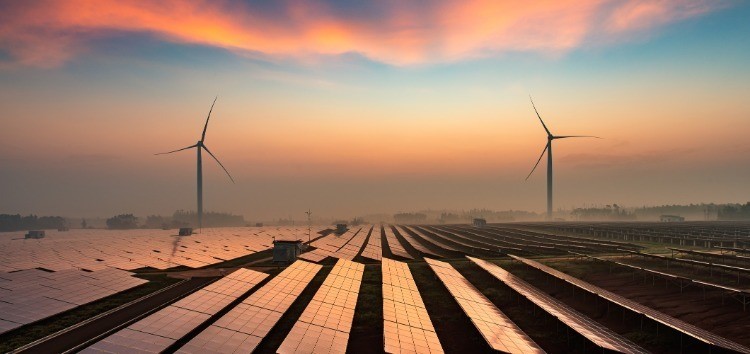
QAZAQ GREEN. Kazakhstan and Azerbaijan are laying the foundation for a major renewable energy partnership through the development of a high-voltage subsea transmission line across the Caspian Sea. The Cross-Caspian cable will connect the two countries’ power grids and feed into the larger Black Sea Submarine Cable project, which aims to link the South Caucasus with the European Union.
According to a joint report by the Astana International Financial Centre (AIFC) and the Institute for Development and Diplomacy (IDD) at ADA University, the project will enable the export of clean electricity — primarily solar and wind — from Central Asia to the European energy market. This initiative is expected to contribute to energy diversification and support the EU’s climate and decarbonization goals.
The economic viability of the project is backed by both countries’ ambitious renewable energy targets. Kazakhstan aims to increase the share of renewables in its national energy mix to 15% by 2030 by leveraging its significant solar and wind potential. Azerbaijan, with one of the world’s most promising offshore wind energy resources, is also expanding its onshore solar and wind capacity, particularly in the Karabakh and East Zangezur regions, supported by international investors such as ACWA Power and Masdar.
The Cross-Caspian cable will provide a reliable external offtake channel, thereby enhancing the investment attractiveness of large-scale renewable energy projects in the region. At the same time, broader regional efforts are underway to establish a unified electricity market across Central Asia and the South Caucasus — including countries like Georgia, Uzbekistan, and Kyrgyzstan — through the harmonization of technical standards and cross-border trade mechanisms.
Investment requirements for the Cross-Caspian and Black Sea interconnectors are substantial, given their subsea infrastructure and multinational scope. A mix of concessional financing, sovereign guarantees, and blended funding models will be critical. International institutions such as the European Investment Bank (EIB), the European Bank for Reconstruction and Development (EBRD), and various climate finance funds are expected to play a key role. Public-private partnerships and green bond issuances by state utilities may also help mobilize additional capital. Given the project’s alignment with the EU’s Global Gateway initiative, it could become a strategic vehicle for funding.
On a macroeconomic level, the initiative reflects a shift in Kazakhstan-Azerbaijan cooperation — from hydrocarbons to electricity as a tradable commodity. It provides both nations with an opportunity to reposition themselves as exporters of low-carbon energy, while accelerating the modernization of regional power grids and advancing economic diversification.
If successfully implemented, this energy corridor will significantly enhance the resilience and competitiveness of the Silk Road region’s energy architecture.
Spain to allocate €612M to modernize 173 wind and hydropower projects
Electricity demand in Portugal hits all-time first-half high as renewables supply 71%
Google to buy electricity from RWE's Oklahoma solar plant
KOREM launches new digital portal for Kazakhstan's electricity market
Ember: Renewables, storage and stronger grids key to building resilient power systems in ASEAN
IEA: quarterly electric car sales hit records in several key markets amid energy crisis
How wildlife is responding to solar power plant in the Mojave Desert, USA
Water area in the Caspian Sea designated as a renewable energy zone
Kazakhstan's renewable electricity generation reaches 8.6 billion kWh
TotalEnergies to acquire Shell's European renewables business
China marks new green energy breakthrough as renewables top 40%, coal falls below 50% in H1
Uzbekistan pays out over 330.8 billion soums in solar panel subsidies
New battery-only electric cars up 30% across the EU in 2025
U.S. patents technology for modular orbital data centers with passive cooling
Tesla and ContourGlobal sign long-term PPA for 1 TWh of renewable electricity annually
Russia to allow installation of solar panels on apartment buildings
Mocean Energy enters AI infrastructure market with Blue Core
China prepares to launch the world's largest offshore converter station
New EU energy rules strengthen consumer protection and support cleaner, more secure energy
Tesla signs long-term solar power purchase agreement with Zelestra in Texas