

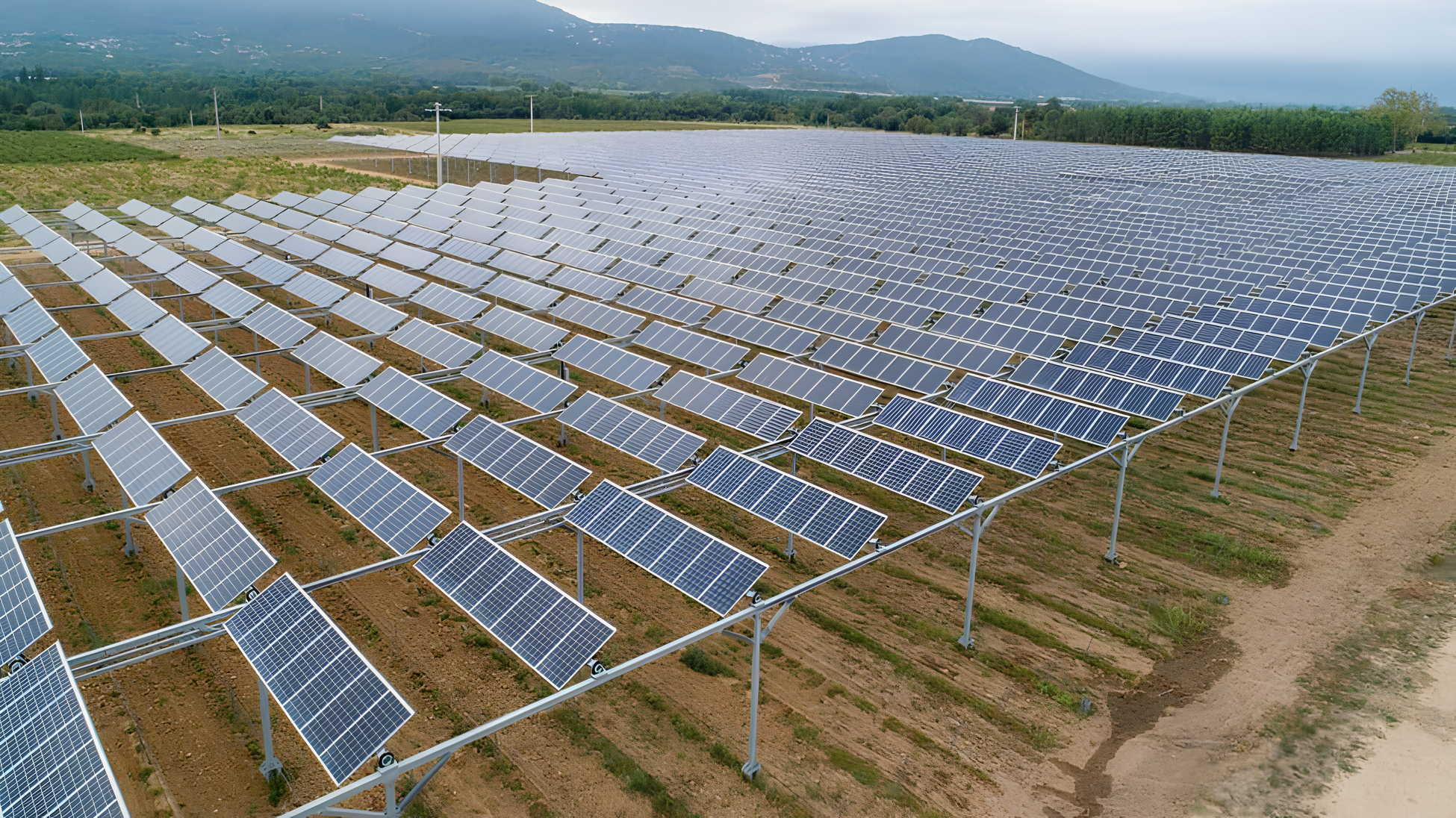
QAZAQ GREEN. Solar microgeneration in southern Kazakhstan is expanding rapidly. The number of net consumers continues to rise, generation volumes are increasing, and total payments to participants have surpassed 200 million tenge, according to the Turkestan Region Akimat.
Private and commercial interest in solar installations has grown noticeably. A model once viewed as niche is becoming an integral part of the power system. Distributed generation is improving grid flexibility, lowering overload risks during peak heat, and strengthening overall infrastructure resilience.
The fastest progress is seen in the Turkestan region and Shymkent. Ontustik Zharik Transit reports that the number of net consumers increased from 22 in January to 78 by November 2025. Installed solar capacity rose from 2.75 MW to 7.6 MW over the same period.
Output indicators show a similar rise. Net consumers supplied about 910,000 kWh to the grid in 2024. In the first ten months of 2025, generation exceeded 3.5 million kWh. Solar power is helping reduce pressure on the grid and stabilise electricity quality.
The financial impact is also growing. Since the first rooftop and small-scale solar systems were connected to Ontustik Zharik Transit’s networks, consumers have received more than 200 million tenge in payments, including roughly 120 million tenge between January and October 2025. For entrepreneurs, this provides direct income and supports the return on investment in solar installations.
Kazakhstan Utility Systems and Ontustik Zharik Transit continue to upgrade infrastructure to accommodate expanding microgeneration. This includes equipment modernisation, smart metering, transparent settlements and technical support for new connections. Network upgrades enable additional solar facilities to be integrated without creating extra load.
Distributed energy is delivering tangible benefits: easing network congestion, reducing the need for reserve capacity, cutting emissions and strengthening regional energy independence. Microgeneration is becoming part of a new supply model in which consumers contribute to electricity production and the grid gains additional resources.
If current trends continue, the number of net consumers in the Ontustik Zharik Transit zone could exceed 100 in 2026, with installed capacity nearing 10 MW. Annual clean energy output may surpass 5 million kWh — comparable to that of a dedicated power facility.
Rising connection rates, higher generation volumes and growing payouts indicate that microgeneration is securing its place as a functional component of the energy system.