

World News18.07.2025
Balcony solar power systems gain ground in Lithuania


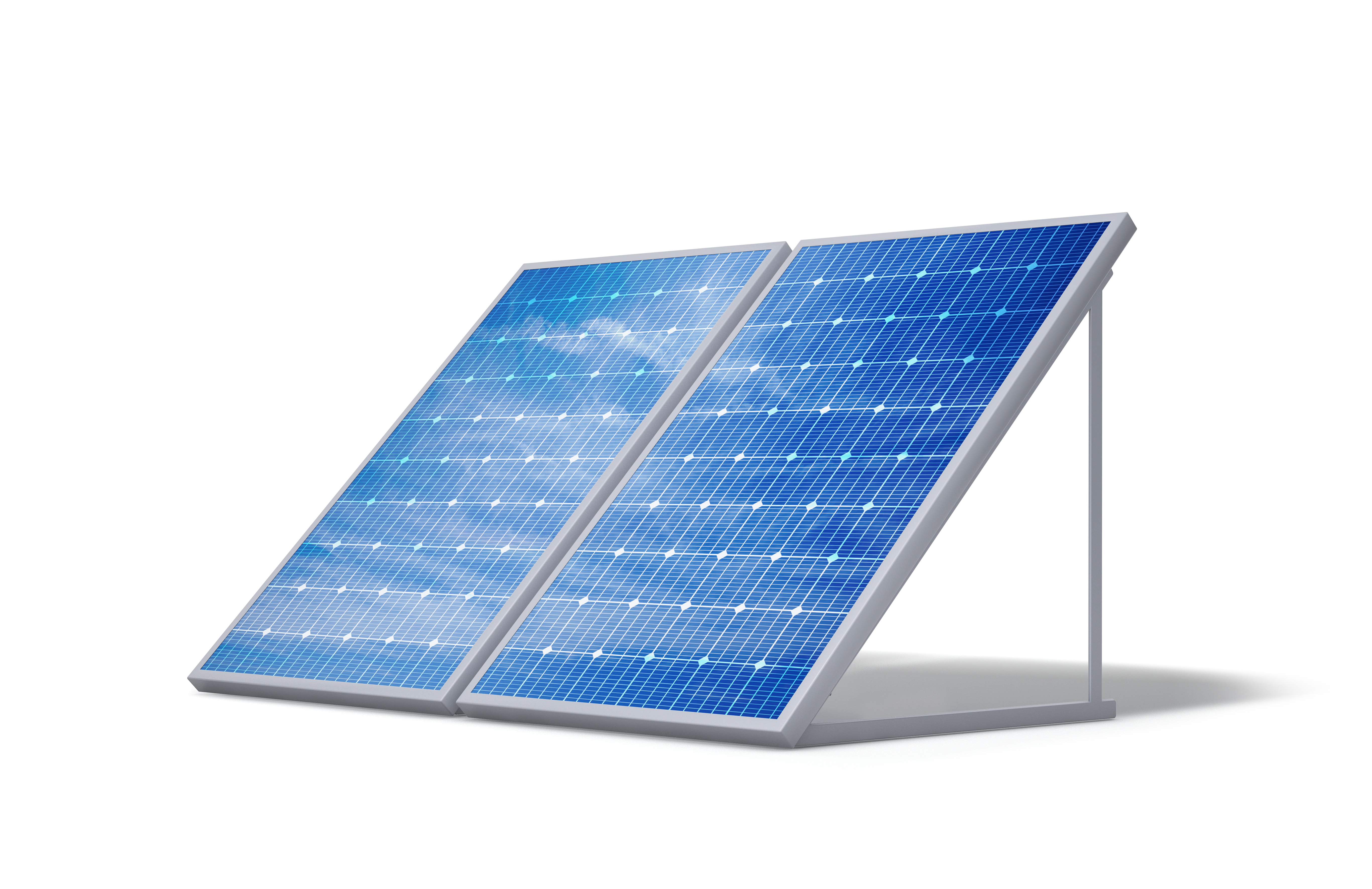
QAZAQ GREEN. Lithuania is seeing a sharp rise in the number of small solar power systems, particularly those installed on apartment balconies. As of mid-July, there were 661 such installations across the country—almost double the number from a year ago, according to data from electricity distribution operator ESO.
While most sales still come from traditional rooftop solar systems, sellers report growing interest in more compact units that can be mounted on balconies. These mini systems can be installed for just a few hundred euros and, with government subsidies, can pay for themselves within one to two years.
However, installing a balcony solar unit—especially one that plugs directly into a household socket—requires formal approval from at least half of the building’s residents, similar to the process for installing an air conditioner.
Where these mini systems are used
As of July 15, 661 small power stations with a capacity of up to 0.8 kilowatts had been registered. The highest concentrations are in Vilnius (208 units) and Kaunas (153). Elsewhere, numbers remain modest: Alytus (45), Klaipėda (50), Marijampolė (17), Panevėžys (69), Šiauliai (46), Tauragė (14), Telšiai (19), and Utena (40).
ESO notes that such installations are most effective for households consuming no more than 70 kWh per month and using gas for cooking. Around 320,000 households in Lithuania meet these criteria. To install a small system, residents must simply notify ESO, which will then install a smart meter if one is not already in place.
Subsidies and support
According to the Environmental Projects Management Agency (APVA), 83 applications have been submitted in 2025 for subsidies to support the installation of solar power systems up to 0.8 kW. The total requested subsidy amount is €17,000, with a combined capacity of 66.4 kW.
In total, APVA has received around 20,000 applications this year for solar installations worth over €45 million. These larger systems are expected to add about 177 megawatts of renewable capacity.
The Ministry of Energy considers the 0.8 kW systems a promising and fast-growing segment. These mini installations don’t require formal grid connection terms—residents simply need to notify the grid operator. Subsidies for small-scale systems are available under the same rules as for larger installations.
“Given the rapid growth of renewables and limited grid capacity, small solar units—especially those with energy storage—will become increasingly important. They are particularly suitable for apartment dwellers thanks to their compact size,” the ministry said.
Currently, subsidies are available for systems up to 10 kW, including the smaller 0.8 kW category. The state offers €255.07 per kilowatt of installed capacity.
Costs and returns
According to Edgaras Reutas, marketing manager at solar provider Solet, a basic 0.8 kW solar kit costs €359. Residents eligible for subsidies can receive €204, bringing the out-of-pocket cost to €155. Without support, the system pays for itself in two to four years; with support, one to two years.
Reutas explained that such a system typically reaches 700–800 watts of output during spring, summer, and early fall. “The more electricity a household consumes directly, the faster the investment pays off. Otherwise, surplus energy is sent to the grid and returned later, but at a rate set by the regulator that is currently over three times lower than the retail price,” he said.
He cited one customer’s example: a south-facing 0.8 kW unit installed at a 30-degree angle generated 860 kWh of electricity over the year. At current electricity prices (€0.24/kWh), buying that power from a supplier would cost around €206. With the mini solar system, about 30% of that electricity was consumed directly. The remaining 70% was exported to the grid at €0.07/kWh.
UNICEF brings solar power to rural health clinic in Turkmenistan
World's first solar-powered ambulance to hit the road in 2026
Uzbekistan launches clean hydrogen initiative for energy transition
Four clean energy technologies now cheaper than fossil fuels, EU research finds
Russia to commission around 1 GW of renewables in 2026
TotalEnergies and Masdar to form $2.2 bn JV to accelerate renewable energy growth in Asia
Renewables cover over 50% of German electricity consumption in Q1
New process turns CO₂ and sunlight into aviation fuel
IRENA: world adds record 692 GW of renewable power in 2025
Vietnam sets 10% solar target for homes and government offices
Abu Dhabi villa owners get green light to generate and store solar power
Euronews: Europeans rush to buy solar, heat pumps and EVs
Kyrgyzstan to increase renewable energy generation to 1.5 bn kWh
UN actively supports preparations for Regional Ecological Summit in Kazakhstan
Astana to host Central Asia's RES EXPO-2026
Spain and China build a solar storage giant in Chile's desert
EBRD backs Lithuania's push into large-scale battery energy storage
Sun beats coal: why the energy crisis will speed up Asia's shift to renewables
SPIC and Kazakhstan break ground on 1 GW wind farm near Ekibastuz
Germany launches wind farm with new turbine technology