

World News03.04.2026
Four clean energy technologies now cheaper than fossil fuels, EU research finds


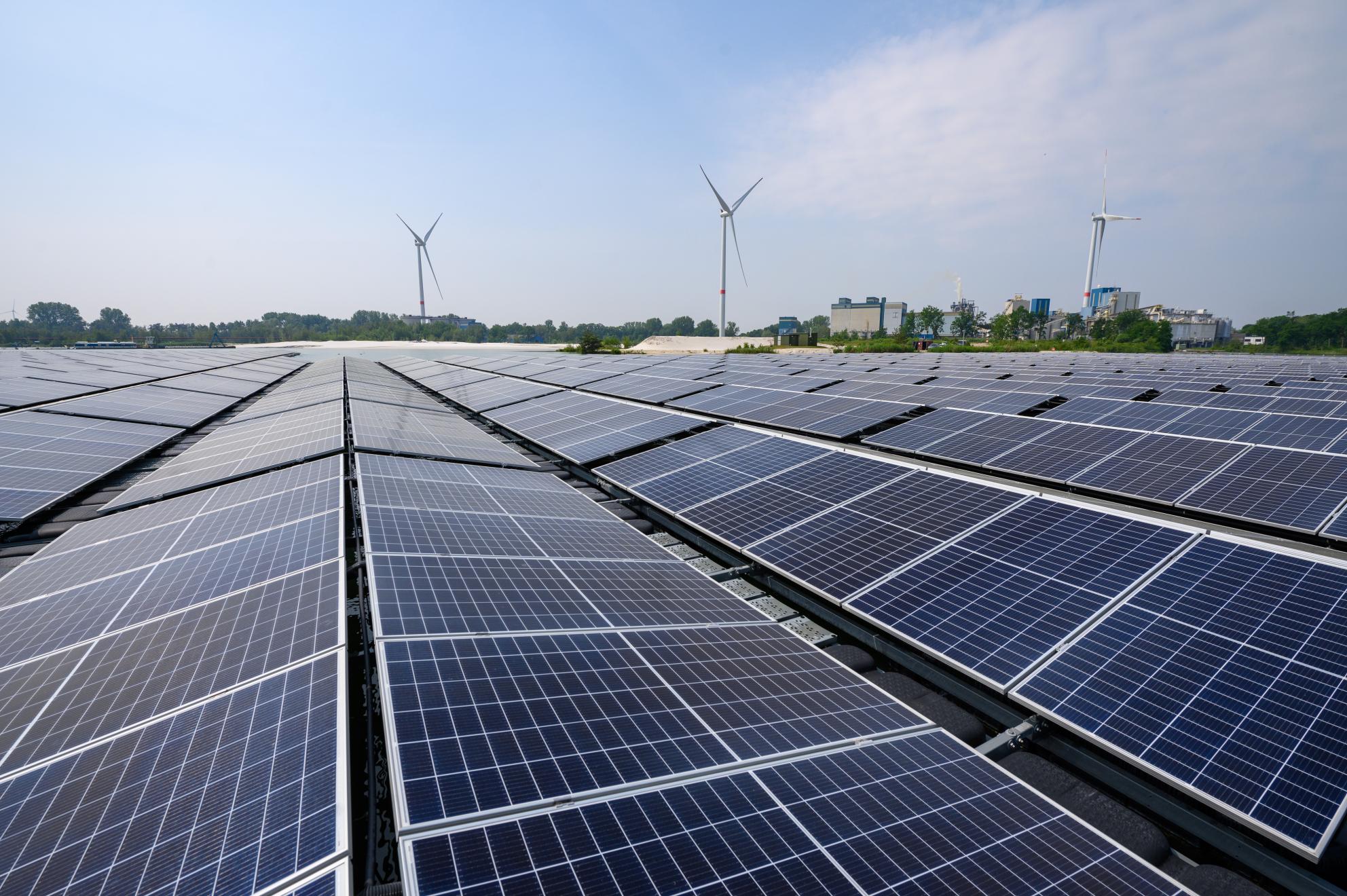
QAZAQ GREEN. Four out of 15 key clean energy technologies — solar power, wind energy, electric vehicles and biofuels — are already more cost-effective than fossil fuel-based alternatives, according to a new analysis by the EU's Joint Research Centre based on 2025 data.
Based on 2025 data, the study finds that four out of 15 key clean energy technologies—solar power, wind energy, electric vehicles and biofuels—are already more cost-effective than fossil fuel-based alternatives. These technologies are considered ready for large-scale deployment and are progressing in line with global climate targets.
The findings are presented in the latest Global Energy and Climate Outlook (GECO) 2025, which evaluates how current policies and investment trends align with climate goals through 2050.
At the same time, several technologies—including energy storage, nuclear power and low-emission transport solutions—are advancing but still require additional policy support to scale up deployment. Other solutions, such as synthetic fuels and carbon capture technologies, remain at an earlier stage and will need sustained innovation and investment.
The report stresses that achieving climate targets will require a full portfolio of technologies, including both low-carbon and negative-emission solutions.
Sector analysis shows that solar and wind remain among the cheapest sources of electricity in many markets, while energy storage is expected to play a growing role in integrating renewable energy. Electric vehicle adoption is projected to expand rapidly, although segments such as heavy transport will need continued policy backing.
The study also highlights risks associated with global trade fragmentation. According to the analysts, such processes may help reduce emissions but come at a significant cost to the global economy and slow down deep decarbonisation.
Kazakhstan to build hyperscale data centre cluster powered by gas, coal and renewables
Kazakhstan's green energy output jumps 15% in early 2026
German startup develops panel to produce hydrogen directly from sunlight
Uzbeks' income from solar energy sales grows ninefold
Belarus sets 38.7 MW renewable energy quotas for 2026
Solar power turns China's 'sea of death' highway into green corridor
Israel to build its largest-ever solar power plant in the Negev desert
Solar pensions and wind dividends: how South Korea is turning renewables into a rural development tool
Kyrgyzstan announces tender for land plots for construction of six small hydropower plants
ADB to invest $70 billion in Asia's power grids and digital infrastructure
Kazakhstan and World Bank discuss energy integration in Central Asia
Construction of 500 MW wind power plant begins in Karaganda region
50 MW solar power plant auction winner determined in Kazakhstan's Southern Grid Zone
Rooftop solar panels: Kyrgyzstan prepares rules for households and businesses
Europe’s rising heat: Can renewables provide the solution?
Winner announced for 100 MW solar auction in Kazakhstan
Chinese company ready to invest $1 billion in solar and wind generation in Kyrgyzstan
Meta to invest in space solar energy and ultra-long-duration energy storage
Tokyo pushing plan for world’s biggest floating wind power farm
Kazakhstan cancels 50 MW solar auction due to lack of participants