

World News02.12.2025
Ember report: ASEAN states move from high emissions to investment hubs for renewables


QAZAQ GREEN. Viet Nam, the Philippines and Indonesia are accelerating the shift from coal-reliant systems to emerging centres of clean-energy investment. Their potential is significant, but progress depends on predictable regulation, rapid permitting and clear market rules that can anchor long-term capital. This is detailed in the Ember's report From Emission-Intensive to Investment Hotspots: Championing Renewables in 3 ASEAN Economies.
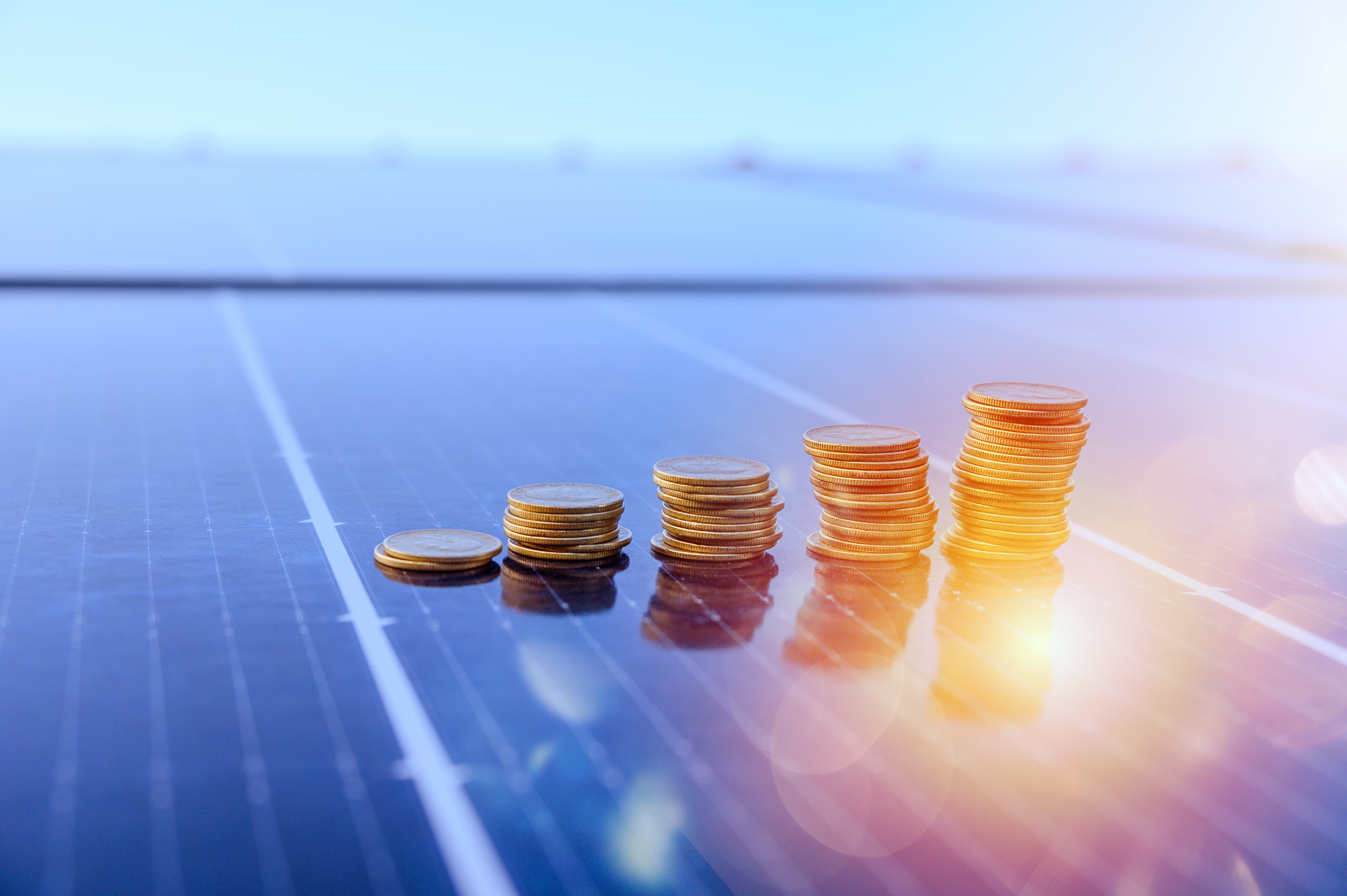
By 2030, the three economies target more than half of their installed capacity from renewables. Viet Nam plans up to 73 GW of solar, the Philippines 14 GW, and Indonesia 13 GW. Together they attracted USD 4.6 billion in clean-energy investment in 2024, a notable rise from the previous year.
Reforms are shaping the investment landscape. Viet Nam’s approval of direct power purchase agreements is set to increase renewable procurement and expand opportunities for private capital. Liberalisation of market segments and new grid-support policies strengthen investor confidence.
The Philippines continues to rely on a fully liberalised electricity market. Removal of foreign-ownership restrictions in renewables and competitive auctions, including storage-integrated bids, have increased corporate demand for clean electricity and accelerated project implementation.
Indonesia is moving toward risk-adjusted regulation through amended PPA structures, ownership options and policy support for carbon attributes. The country’s introduction of battery-integrated projects has pushed the internal rate of return of solar developments from 14% to 23%, demonstrating the financial impact of storage.
Across all three markets, profitability remains sensitive to tariffs and capital costs. A 10-percentage-point change in PPA prices can shift IRR by up to 45 points, underscoring the importance of tariff stability, financing innovation and reduction of permitting delays.
Southeast Asia captures only 2% of global clean-energy investment, despite representing 5% of global energy demand. Clear frameworks, faster approvals, modernised grids and stable market design remain essential to unlock the region’s renewable potential. Viet Nam, the Philippines and Indonesia are positioned to lead this shift if policy execution keeps pace with ambition.
IRENA: world adds record 692 GW of renewable power in 2025
Vietnam sets 10% solar target for homes and government offices
Abu Dhabi villa owners get green light to generate and store solar power
Euronews: Europeans rush to buy solar, heat pumps and EVs
Kyrgyzstan to increase renewable energy generation to 1.5 bn kWh
UN actively supports preparations for Regional Ecological Summit in Kazakhstan
Astana to host Central Asia's RES EXPO-2026
Spain and China build a solar storage giant in Chile's desert
EBRD backs Lithuania's push into large-scale battery energy storage
Sun beats coal: why the energy crisis will speed up Asia's shift to renewables
SPIC and Kazakhstan break ground on 1 GW wind farm near Ekibastuz
Germany launches wind farm with new turbine technology
IRENA: clean cooking transition needs $8 billion annually by 2030
US’ largest offshore wind farm: 2.6-GW facility delivers its first power to grid
Fiji plans to expand green energy use amid global crisis
Ukraine’s green energy: Lviv region to add 300 MW of capacity in 2026
Unigreen Energy commissions second solar facility in Kalmykia
Harvard device converts sunlight into heat and electricity
Spain develops advanced energy storage platform with solar and hydrogen
Belgium launches Europe's largest floating solar power plant