

World News03.12.2025
China’s renewable energy surge reveals structural challenges


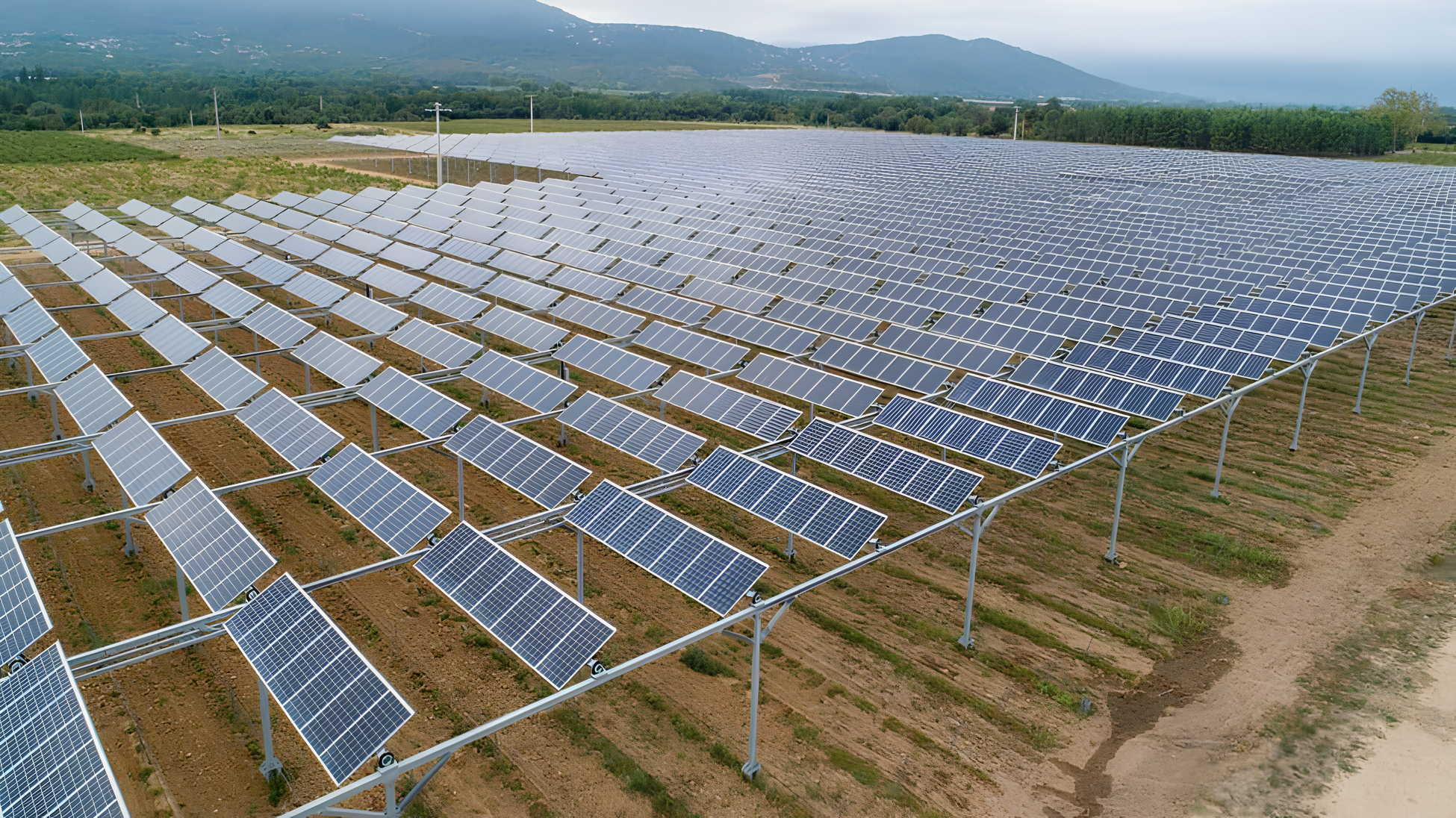
QAZAQ GREEN. China is expanding renewable energy at an unprecedented pace, reshaping its power system as it works toward peak carbon emissions before 2030 and carbon neutrality by 2060. The country added 360 GW of wind and solar capacity in 2024, more than half of global new installations, bringing total capacity to 1.4 TW. Renewable generation rose to 366 TWh, making wind and solar the leading sources of new electricity, according to the World Economic Forum.
The rapid scale-up is driving the spread of storage technologies, virtual power plants, electric mobility and low-carbon industrial parks. But integrating such volumes of variable energy has exposed significant technical, economic and market pressures.
System pressures
Renewables are growing faster than the flexible capacity needed to stabilize the grid. Weather-dependent output increases the need for storage, responsive generation and digital tools that keep supply and demand in balance. China’s best wind and solar resources are concentrated in the northwest, far from major coastal demand centres, placing heavy demands on long-distance transmission and regional interconnection. Local distribution grids are also shifting toward two-way operation as rooftop solar, electric vehicles and flexible loads expand.
Economic pressures
Falling generation costs do not eliminate the need for investment in grids, storage and backup resources. Facilities producing their own electricity still rely on the broader system for stability and frequency control, raising questions about how to distribute system costs fairly. The key issue is ensuring that lower renewable costs translate into lower overall system costs.
Market pressures
Electricity relies on multiple interlinked markets. If capacity, flexibility and environmental value are not properly priced, investment signals weaken. China is refining market design by developing capacity and ancillary service markets, expanding green power and certificate trading, and clarifying the role of new actors including storage operators and aggregators.
China’s response
China is combining large-scale deployment with system upgrades. Utility-scale renewable bases continue to grow, alongside distributed solar in cities and industrial zones. Over $80 billion was invested in grid infrastructure in 2024 alone, including new UHV lines connecting remote supply with eastern demand.
Flexibility is being expanded through retrofitted coal units, new gas and pumped-storage plants and AI-based forecasting tools such as the Guangming Power model.
At the market level, China is advancing a unified national electricity market with cross-regional trading, long-term contracts, spot markets and ancillary services. Renewables now participate fully in market-based transactions, while green power and certificate trading continue to scale. Policy frameworks for virtual power plants and integrated generation–grid–demand–storage projects define the responsibilities of new market actors.
Global lessons
China’s experience highlights several principles: consistent long-term goals; early and strategic grid planning; markets that recognise flexibility, capacity and environmental value; and sustained investment in innovation to manage the energy trilemma of cost, security and sustainability.
Global outlook
China’s integrated approach – linking clean generation, flexible grids, active demand and storage – demonstrates how future power systems can operate as coordinated ecosystems. As other countries accelerate renewable deployment, China’s evolving model offers a reference point for building reliable and scalable clean energy systems.
IRENA: world adds record 692 GW of renewable power in 2025
Vietnam sets 10% solar target for homes and government offices
Abu Dhabi villa owners get green light to generate and store solar power
Euronews: Europeans rush to buy solar, heat pumps and EVs
Kyrgyzstan to increase renewable energy generation to 1.5 bn kWh
UN actively supports preparations for Regional Ecological Summit in Kazakhstan
Astana to host Central Asia's RES EXPO-2026
Spain and China build a solar storage giant in Chile's desert
EBRD backs Lithuania's push into large-scale battery energy storage
Sun beats coal: why the energy crisis will speed up Asia's shift to renewables
SPIC and Kazakhstan break ground on 1 GW wind farm near Ekibastuz
Germany launches wind farm with new turbine technology
IRENA: clean cooking transition needs $8 billion annually by 2030
US’ largest offshore wind farm: 2.6-GW facility delivers its first power to grid
Fiji plans to expand green energy use amid global crisis
Ukraine’s green energy: Lviv region to add 300 MW of capacity in 2026
Unigreen Energy commissions second solar facility in Kalmykia
Harvard device converts sunlight into heat and electricity
Spain develops advanced energy storage platform with solar and hydrogen
Belgium launches Europe's largest floating solar power plant