

World News02.03.2026
Europe’s battery capacity to surpass 80 GW by 2030


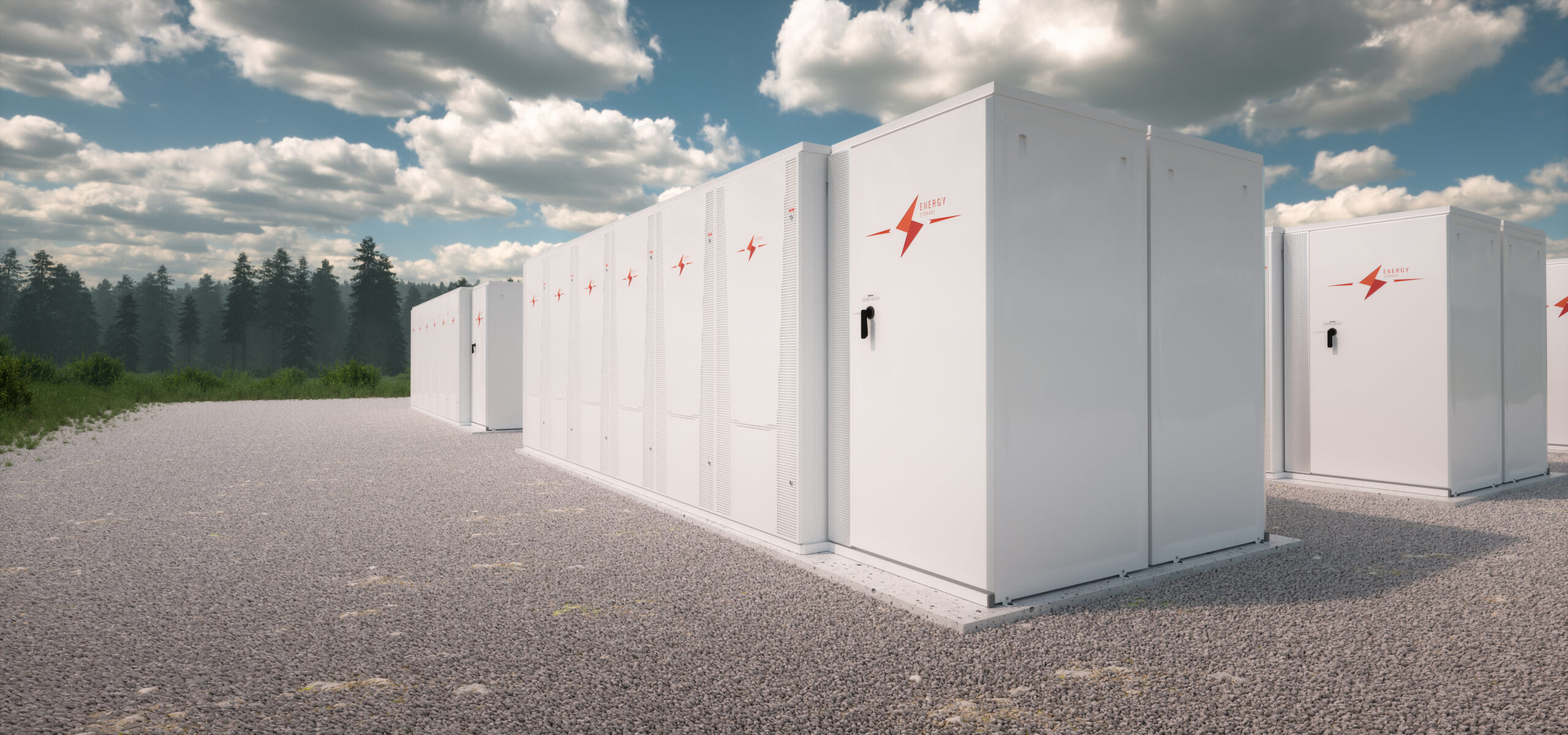
QAZAQ GREEN. Germany, Great Britain and Italy rank as the most attractive battery storage markets in Europe, according to the fifth edition of the European Battery Markets Attractiveness Report (BATMAR) published by Aurora Energy Research.
The study assessed 28 European countries. Germany leads the ranking, driven by strong flexibility demand linked to decarbonisation efforts, supporting robust market growth in both the near and long term. Great Britain places second, underpinned by substantial installed capacity and diversified revenue streams. Italy’s recent rise is largely supported by the MACSE subsidy scheme promoting long-duration energy storage.
Between 2024 and 2025, Europe’s installed battery capacity grew by more than 7 GW to exceed 17 GW. Aurora forecasts that total capacity will surpass 80 GW by 2030. Longer-duration batteries, particularly four-hour systems, are expected to gain traction as capital costs decline and flexibility needs increase in decarbonising power markets. Around EUR 24 billion is projected to be invested in four-hour batteries by 2030, accounting for more than half of total expected investment.
The report notes that markets remain at different stages of development. While Great Britain, Germany and Italy are maturing and facing challenges such as grid connection constraints, more nascent markets will see their first large-scale projects commissioned from 2026 onwards.
As deployment scales up, investor strategies are evolving. More risk-averse players are targeting operational assets in mature markets, while others are seeking early-mover advantages in emerging jurisdictions.
Southeastern Europe is gaining prominence. Romania and Bulgaria now rank among Europe’s top ten battery markets, supported by improving project economics and stronger policy backing.
At the same time, rapid expansion brings new challenges. Rising system flexibility requirements and grid connection pipeline management are placing networks at the centre of policy discussions. Flexible connection agreements and their implications for battery economics are under active consideration across several countries.
With large-scale project financing becoming more complex in markets with limited secured revenues, investors are increasingly turning to innovative offtake structures, including tolling agreements, to underpin financing strategies.
UNICEF brings solar power to rural health clinic in Turkmenistan
World's first solar-powered ambulance to hit the road in 2026
Uzbekistan launches clean hydrogen initiative for energy transition
Four clean energy technologies now cheaper than fossil fuels, EU research finds
Russia to commission around 1 GW of renewables in 2026
TotalEnergies and Masdar to form $2.2 bn JV to accelerate renewable energy growth in Asia
Renewables cover over 50% of German electricity consumption in Q1
New process turns CO₂ and sunlight into aviation fuel
IRENA: world adds record 692 GW of renewable power in 2025
Vietnam sets 10% solar target for homes and government offices
Abu Dhabi villa owners get green light to generate and store solar power
Euronews: Europeans rush to buy solar, heat pumps and EVs
Kyrgyzstan to increase renewable energy generation to 1.5 bn kWh
UN actively supports preparations for Regional Ecological Summit in Kazakhstan
Astana to host Central Asia's RES EXPO-2026
Spain and China build a solar storage giant in Chile's desert
EBRD backs Lithuania's push into large-scale battery energy storage
Sun beats coal: why the energy crisis will speed up Asia's shift to renewables
SPIC and Kazakhstan break ground on 1 GW wind farm near Ekibastuz
Germany launches wind farm with new turbine technology