

World News22.05.2026
AI to secure the future of green energy across Asia-Pacific


QAZAQ GREEN. The Asia-Pacific region has emerged as the global powerhouse of the green energy revolution, accounting for nearly half of the world's renewable electricity generation in 2024. This is according to a report by the global energy think tank Ember.
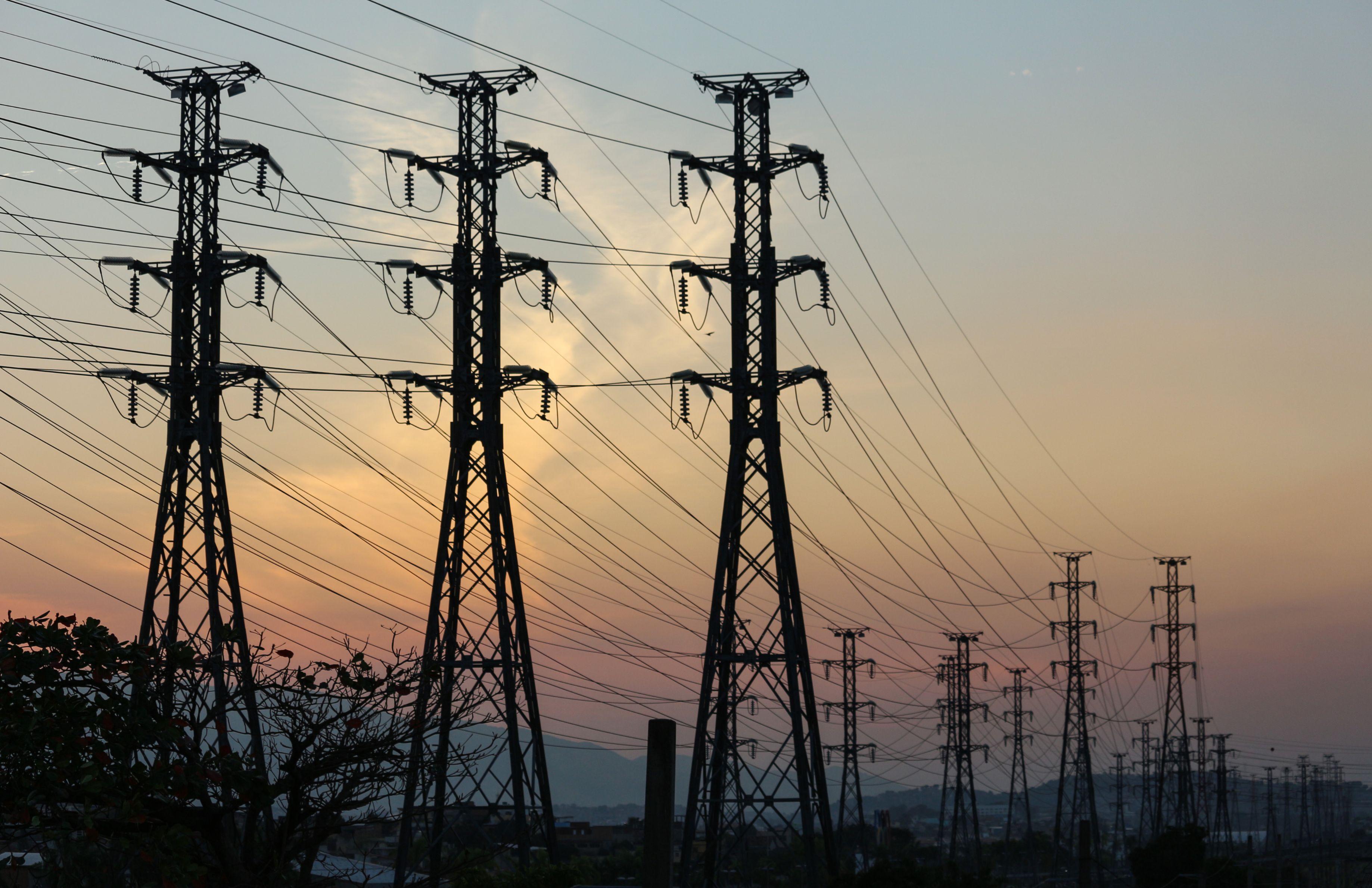
A landmark report reveals that the region added 1,757 GW of renewable capacity over the past decade, outpacing Europe by three times and North America by five times. This unprecedented growth, driven predominantly by wind and solar, is reshaping the global energy landscape but also pushing traditional power grids beyond their design limits.
The transition to a carbon-free future faces a dual challenge of internal variability from renewables and external stress from an increasingly volatile climate. Record-breaking heatwaves and unpredictable monsoon patterns in countries like India, China, and Thailand are no longer outlier events but operational constraints that threaten supply reliability. As the regional share of renewable generation is projected to surpass 60% by mid-century, climate adaptation has evolved from an optional add-on to a core requirement for system design.
Artificial Intelligence is emerging as the strategic enabler for scaling this green energy surge by acting as a coordination layer for complex systems. AI capabilities allow for "data fusion," integrating fragmented information on climate hazards, grid assets, and cross-sector interdependencies into a coherent view. By linking siloed models through "analytical choreography," AI supports faster and better-informed decision-making, helping operators manage the interaction between variable supply and dynamic demand under extreme conditions.
The commitment to a flexible, green-centric grid is backed by massive financial momentum, with China alone planning to invest approximately $574 billion in grid upgrades through 2030. While scaling storage and interconnectors remains essential, the final piece of the puzzle is the digital "connective tissue" provided by AI. By prioritizing AI-enabled planning and cross-agency coordination, Asia-Pacific nations can ensure that their record-breaking renewable expansion translates into a resilient and sustainable energy future for the entire world.
Ukrainian agricultural holding launches solar power plants at grain elevators
2026 auctions: Kazakhstan selects 16 renewable energy projects totalling 753 MW
Five companies win Kazakhstan's small HPP auction with total capacity of 21.5 MW
AI to secure the future of green energy across Asia-Pacific
Giant "power banks" to be built in Kazakhstan for energy storage
Grenergy and CATL sign strategic agreement for 1.5 GWh battery supply for Spanish projects
Miliar Company and OsirisEnergo win Kazakhstan's hydropower auction
Terra Wind wins 100 MW wind power auction in Kazakhstan's Northern Zone
Plenitude Kazakhstan wins 100 MW wind power auction in Kazakhstan's Northern Zone
Kyrgyzstan approves five-year program for green energy and microgeneration
Statkraft to invest in Norwegian hydropower modernisation
China hits new milestone in space solar power project
Kazakhstan identifies winners of solar power plant auction in Kyzylorda region
German battery boom could save hundreds of millions of euros
Solar power plant of 500 MW to be built in Tajikistan
Share of renewable energy to reach 38% in Azerbaijan
Zhongbo Group to develop 1,000 MW clean energy project in Aktobe region
Kazakhstan expands international cooperation in renewables and energy modernization
World Bank allocates $35.5 M to increase energy capacity in southern Kyrgyzstan
Hybrid wind-hydropower Tâmega Complex comes online in Portugal