

World News17.08.2026
End-of-life solar panels could become a multibillion-dollar market by 2050


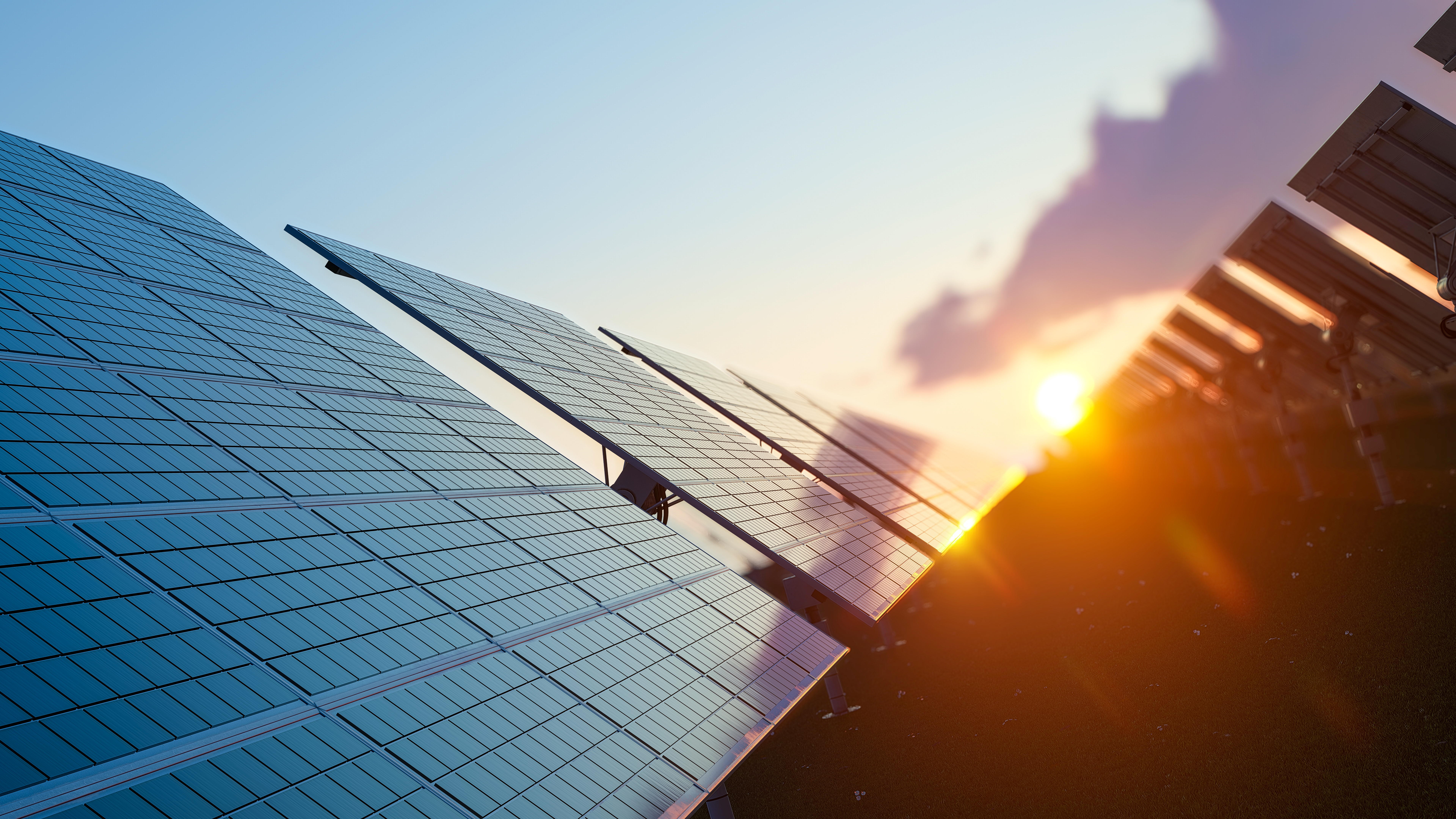
QAZAQ GREEN. Solar photovoltaic (PV) power is one of the most widely deployed renewable energy technologies, already accounting for half of the world's total installed renewable capacity and expected to play an even bigger role in the energy transition ahead. Faster deployment of solar PV is seen as essential to keeping global climate targets within reach.
But that growth comes with a downside: a large wave of decommissioned solar panels is approaching. Solar PV systems are typically designed to operate for 25 to 30 years, after which the panels reach the end of their service life and must be taken out of use.
According to the International Renewable Energy Agency (IRENA), under a scenario aligned with limiting global warming to 1.5°C, the volume of end-of-life solar PV panels worldwide is projected to exceed 25 million tonnes by 2050 — equivalent to more than 400 gigawatts (GW) of solar capacity. Collecting and processing that volume over the next decade would require at least 120,000 heavy-duty truck trips and more than 150 fully operational, medium-sized treatment facilities.
That is why adopting a circular economy approach — reduce, reuse, recycle — is becoming essential for managing solar panels at the end of their life. This approach helps prevent waste, minimize what is generated, and reuse materials from decommissioned panels as much as possible.
A significant share of the materials recovered from end-of-life panels can also generate direct economic value. With future technological advances, recovery rates for valuable minerals could technically approach nearly 100%. Even today, recycling end-of-life solar PV panels can recover more than 90% of their materials, including copper, aluminum, silver, silicon and glass.
Once recovered, these materials can be traded in existing commodity markets and used to manufacture new industrial products, generating economic returns. IRENA estimates that the market value of materials recovered annually from end-of-life solar panels could reach $6 billion by 2040 and exceed $20 billion by 2050.
Beyond generating market value, shifting to a circular economy for solar panels can also create jobs. The solar PV industry already accounted for 43% of all renewable energy jobs worldwide in 2024 — more than 7.2 million jobs.
Reusing and recycling end-of-life panels opens up additional employment opportunities. A study by a network of social enterprises in Europe found that proper workforce training could generate between 60 and 140 jobs for every 1,000 tonnes of e-waste materials collected for reuse. In developing economies, waste collection, repair, reuse and recycling activities carried out as part of a circular economy can provide income for workers in the informal sector.
However, policy frameworks need to account for the health impacts of these practices and safeguard the social benefits that can improve informal workers' quality of life. A just and inclusive circular economy framework for solar PV should include labor policies, safety standards and environmental protection measures to ensure workers' health and safety.
Policy design will vary from market to market, depending on each country's economic structure and priorities. To achieve environmental goals while capturing socio-economic benefits, circular economy strategies for end-of-life panels will require engagement from a wide range of stakeholders across sectors.
Kazakhstan commissions 7 of 10 renewable energy projects planned for 2026
End-of-life solar panels could become a multibillion-dollar market by 2050
Kazakhstan launches its first wind-turbine component manufacturing plant
EBRD to provide up to €120 million for solar-and-storage project in Romania
Chinese researchers develop perovskite solar module with 22% efficiency
Turkey sets sights on Aegean Sea for first offshore wind tender
Batteries have unlocked the era of anytime solar
Ember: Solar power helps Europe's grid withstand extreme heat
Empowerment-2026 program to launch in Atyrau on August 24
Solar panels are being installed on the roof of a university in Bishkek
Sicily agrivoltaic project secures €234.1 million in financing
Germany's largest offshore wind farm nears full commissioning
Oman targets 100% renewable energy by 2050
UK households offered rewards for cutting power use during solar eclipse
Kazakhstan plans to add more than 8 GW of new renewable energy capacity by 2035
Three ways to make your home's solar power more efficient
Solar power systems installed at hospital in Turkmenistan's Yoloten
World's highest-altitude solar thermal power plant completes heliostat installation in SW China's Xizang
Solar eclipse to cut Portugal’s solar power generation by 45%
Geothermal energy in Latin America: turning potential into energy security