


World News13.03.2023
Nearly everyone is exposed to unhealthy levels of tiny air pollutants, study says


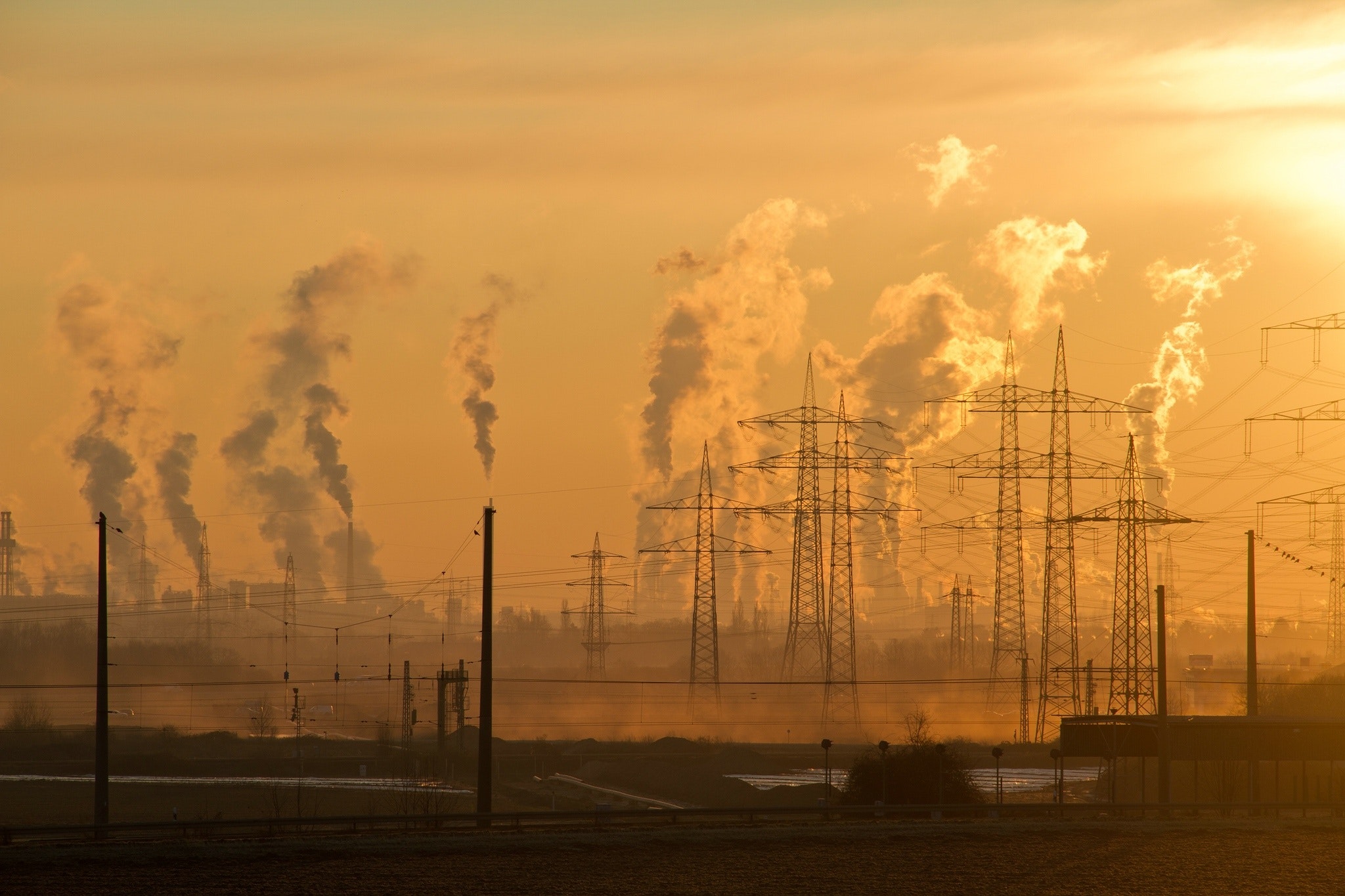
QAZAQ GREEN. Nearly everyone — 99 percent of the global population — is exposed to unhealthy levels of tiny and harmful air pollutants, known as PM 2.5, according a new study released Monday in Lancet Planetary Health. The findings underline a growing urgency for policymakers, public health officials and researchers to focus on curbing major sources of air pollution, such as emissions from power plants, industrial facilities and vehicles, The Washington Post reports.
“Almost no one is safe from air pollution,” Yuming Guo, the lead author of the study and professor at Monash University, said in an email. “The surprising result is that almost all parts of the world have annual average PM 2.5 concentrations higher than air quality guidelines recommended by the World Health Organization.”
Nearly 7 million people worldwide died because of air pollution in 2019, according to recent estimates. What’s known as PM 2.5, small air particles that measure 2.5 microns or less in width, ranks as one of the most concerning toxic air pollutants for human health. The tiny pollutants — one-thirtieth the width of a human hair — can travel into our lungs and bloodstream. They can cause ailments including heart disease or lung cancer.
Guo and his colleagues assessed daily and annual PM 2.5 concentrations across the globe from 2000 to 2019 using a computer model, which incorporated traditional air quality observations from ground stations, chemical transport model simulations and meteorological data. Overall, the highest concentrations were located in eastern Asia, southern Asia and northern Africa.
In 2019, they found 0.001 percent of the global population is exposed to levels of PM 2.5 pollution that the World Health Organization deems safe. The agency has said annual concentrations higher than 5 micrograms per cubic meter are hazardous.
Additionally, the study found that across the globe, 70 percent of days in a year were above recommended PM 2.5 levels.
The WHO’s recommended threshold for PM 2.5 concentrations is “arguable,” Guo said in a press release. In 2021, the WHO cut the acceptable limits of PM 2.5 by half to help drive better efforts to lower air pollution and protect populations. The revised guideline is stricter than those of other regulatory bodies such the U.S. Environmental Protection Agency, which currently sets its annual health-based standard to 12 micrograms per cubic meter but could lower it to the range of 9 to 10 micrograms per cubic meter in the next revision.
However, even using the WHO’s previous threshold (10 micrograms per cubic meter), Guo and his colleagues found still only 1.8 percent of the global population in 2019 was exposed to an amount below recommended levels. Many scientists say even lower concentrations of air pollution can have health impacts that people can feel.
“There is no safe level of air pollution,” said Neelu Tummala, an ear, nose and throat physician who was not involved in the study. She called the latest WHO recommendations “aggressive,” but said the change “also highlights just how important it is to get our air pollution levels lower because of so many health impacts that are associated with air pollution.”
Over the past two decades, pollution exposure increased in southern Asia, Australia, New Zealand, Latin America and the Caribbean, the study found. Meanwhile, exposure to fine particulate matter decreased in Europe and northern America. Tummala said that may be in part due to legislation and concerted efforts aimed at decreasing air pollution.
“The study did find that the levels went down in North America and Europe, but it’s still not a safe level of air pollution,” said Tummala, also the co-director of the Climate Health Institute at George Washington University. “It’s still poor air quality that’s impacting health.”
In some places, air pollution was also higher depending on the time of year. For instance, particulate matter levels increased in northeast China during the winter, which the authors say could be a result of winter weather patterns and an increased use in fossil fuels for heating during cold months. Countries in the Amazon, such as Brazil, showed higher levels of particulate matter during August and September, potentially associated with emissions from farmers clearing land with fire, known as slash-and-burn cultivation.
Pawan Gupta, an atmospheric scientist at NASA, said the study was “very interesting” and is the first, to his knowledge, to provide such daily data on PM 2.5 worldwide.
He noted the study does not use data from satellites but relies on limited ground data, chemistry modeling and meteorology. Gupta, who also works on similar daily and hourly observations using satellite data, said it doesn’t mean that the results are less accurate, but he is interested to see how it compares with other regional estimates.
Guo responded that satellite data had too many missing data on the fine air particulates because of cloud coverage and previously found the model performs well without it. However, he said the study does have some limitations as some countries didn’t have as much ground data, which could affect model performance in those regions.
Even so, the study aligns with previous air pollution research. In April 2022, WHO data also found unhealthy air affects about 99 percent of the global population.
Thomas Muenzel, chief of the cardiology department at the University Medical Center of the Johannes Gutenberg University in Mainz, Germany, said the study’s results also fit into his previous research, which found a high number of excess deaths — most of them linked to cardiovascular problems — caused by air pollution. Research also shows even PM 2.5 concentrations between 2 and 5 micrograms can cause excess mortality.
“Air pollution is getting by far not the same attention,” Muenzel said in an email. “The most potent way to reduce excess mortality is reducing fossil fuel emissions.”
Guo said it can help for people to wear masks while outdoors, and to use air purifiers indoors to help curb the impact on their health.
“If there is extremely bad air pollution (e.g., serious wildfire smoke),” said Guo, “people are better off relocating to areas where they are not affected.”
Central Asian countries to discuss energy transition at RES 2026 in Astana
Moldova surpassed 1 GW of installed renewable energy capacity
China begins building US$1 billion hydropower station in Cambodia
Thousands protest in Germany urging faster green shift
Scientists from Russia and Uzbekistan improved the stability of green energy systems by 24%
Kazakh startup ranks in GCIP global top 3 in Vienna
Kazakhstan poultry farm produces 15 million kWh of energy from waste
China, Spain expand partnership in solar and wind power
Mongolia engages Hanwha Group in industrial and clean energy development
Russia to test horizontal and vertical wind power plants at new renewable energy test site in Adygeya
Brussels sets timeline: grid package by summer, electrification strategy to follow
RES 2026 to address workforce training for renewable energy scale-up
Algeria commissions 400 MW of solar capacity
Deadline approaching: KOREM invites bids for wind and solar power auctions
From crisis to security: IRENA lays out renewables roadmap for governments
Renewable energy generation in Kazakhstan rises 15% in Q1 2026
Kazakhstan climbs the Climatescope rankings
Kazakhstan and China launch joint Hydrogen Energy Technology Innovation Center
Switzerland builds world’s most powerful redox-flow battery
UK approves its largest ever solar farm at 800 MW