

News Kazakhstan15.04.2026
RES 2026 to address workforce training for renewable energy scale-up


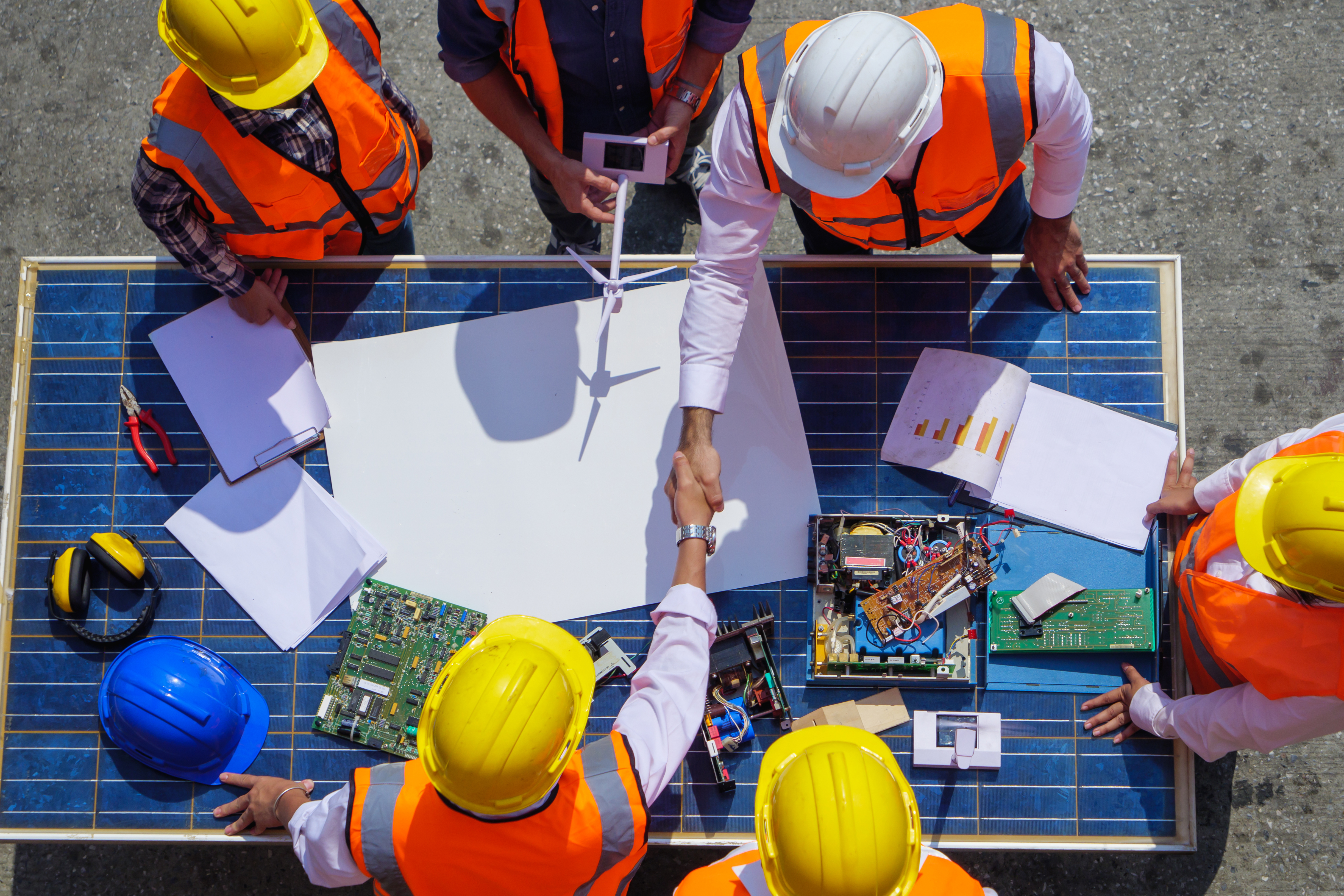
QAZAQ GREEN. The Regional Environmental Centre for Central Asia (hereinafter – CAREC), the Organization for Security and Co-operation in Europe (hereinafter – OSCE), and the Deutsche Gesellschaft für Internationale Zusammenarbeit (hereinafter – GIZ) will hold a session on training specialists for the development of renewable energy in Central Asia within the framework of the Regional Ecological Summit 2026 (hereinafter – RES), which will take place in Astana on 22–24 April.
The panel session entitled “Capacity Building and Research Cooperation for Advancing Renewable Energy in Central Asia” will be held on 23 April at the Hilton Astana Hotel and will bring together representatives of government bodies, universities, the private sector, and international organizations.
The event will be organized within the framework of the OSCE–CAREC initiative (RTEET), the GIZ regional project “Green Skills for a Green Economy in Central Asia (PROGRESS)”, and the EU–GIZ programme “EU4SustainableCentralAsia: Renewable Energy in Central Asia (EURECA)”.
According to international estimates, the renewable energy sector is growing rapidly: in 2023, it employed 16.2 million people, which is 2.5 million more than the previous year. At the same time, around 44% of jobs are in the solar energy sector. It is expected that by 2030, the share of renewable energy in global power generation will reach 43%.
Against this background, Central Asian countries plan to commission up to 8 GW of new solar and wind energy capacity. However, the pace of sector development already exceeds the capacity of education and training systems, and the shortage of qualified specialists is becoming a key barrier to the development of renewable energy in the region.
During the session, participants will discuss the most in-demand competencies for the coming years, ways to adapt educational programmes to real market needs, strengthen practical training, and promote joint research and academic mobility. Particular attention will be paid to the role of the private sector in workforce development and innovation.
One of the key expected outcomes will be the signing of memoranda of understanding between technical universities of Central Asia and CAREC. This will create a foundation for the development of a regional system for workforce training, joint research, and sustainable academic cooperation.
“Transition to clean energy is not only about technology and investment. First and foremost, it is about specialists who are able to design, build, and operate the energy systems of the future. We have enormous potential in solar and wind energy, and to ensure that this potential does not remain on paper, our task at this session is to lay the foundation for regional cooperation that will enable companies and universities to speak the same language,” said CAREC Executive Director Batyr Mamedov.
The event will serve as a platform for developing practical solutions that can be implemented within the next 12–18 months and will contribute to strengthening energy security, creating new jobs, and enhancing the region’s resilience to climate change.
Solar pumps and drip irrigation help Kyrgyz farmers cut costs amid rising energy prices
Hormuz closure failed to trigger coal comeback as solar and wind filled the gap
Astana set to launch RES 2026 EXPO and ink key international deals
Central Asian countries to discuss energy transition at RES 2026 in Astana
Moldova surpassed 1 GW of installed renewable energy capacity
China begins building US$1 billion hydropower station in Cambodia
Thousands protest in Germany urging faster green shift
Scientists from Russia and Uzbekistan improved the stability of green energy systems by 24%
Kazakh startup ranks in GCIP global top 3 in Vienna
Kazakhstan poultry farm produces 15 million kWh of energy from waste
China, Spain expand partnership in solar and wind power
Mongolia engages Hanwha Group in industrial and clean energy development
Russia to test horizontal and vertical wind power plants at new renewable energy test site in Adygeya
Brussels sets timeline: grid package by summer, electrification strategy to follow
RES 2026 to address workforce training for renewable energy scale-up
Algeria commissions 400 MW of solar capacity
Deadline approaching: KOREM invites bids for wind and solar power auctions
From crisis to security: IRENA lays out renewables roadmap for governments
Renewable energy generation in Kazakhstan rises 15% in Q1 2026
Kazakhstan climbs the Climatescope rankings