

World News10.05.2024
Scientists make electricity from air moisture using bacterial nanowires


Modern-day electronics, which are ubiquitous, are made using energy-intensive processes and extremely toxic components. These are required to facilitate the movement of electrons within the device and get work done.
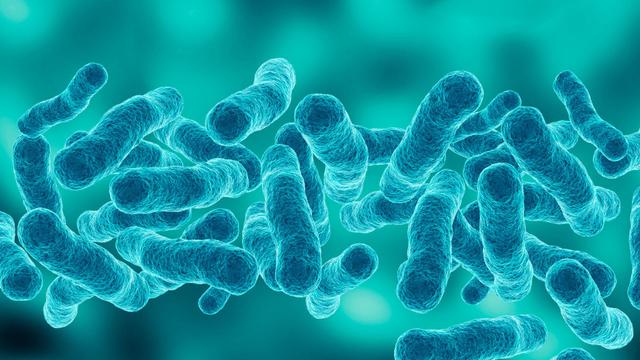
On the other hand, multiple events in nature also require electron movement. For instance, in the process of photosynthesis that plants use to make their food, chlorophyll moves electrons across various protein molecules. Bacterial systems also transfer electrons across membranes using conductive filaments called nanowires.
Engineering bacteria for nanowires
Bacterial nanowires can conduct electricity and can potentially be used to devise sensing systems. However, after being harvested from bacteria, these nanowires are hard to modify and, therefore, have limited functionality.
“To overcome these limitations, we genetically engineered a fiber using the bacteria E. coli,” says Lorenzo Travaglini, a postdoctoral researcher at UNSW who was involved in the work.
“We modified the DNA of E. coli so that the bacteria not only produced the proteins that it needed to survive but also built the specific protein we had designed, which we then engineered and assembled into nanowires in the lab,” Travaglini explained in the press release.
Interestingly, this additional molecule that makes the nanowires highly conductive is haem, an iron-based circular structure commonly found in animal blood and used to transport oxygen to different body parts.
Making electricity from the air
The UNSW team furthered the research on bacterial nanowires, which showed that when haem molecules are arranged closely together, they can also perform electron transfer. Travaglini and his team integrated haem into their engineered filaments, hoping that the electrons would jump between the haem molecules if placed sufficiently close to each other.
By measuring the conductance of the filaments in the presence and absence of haem molecules, the researchers confirmed that the iron-based molecule was making the protein conductive.
During their extensive tests, the researchers found that the electric current was stronger when the ambient conditions were between 20 and 30 percent humidity.
When the tests were repeated with increasing amounts of conductive material sandwiched between the electrodes, the researchers confirmed that humidity created a charge gradient across the material and generated additional current without applying additional potential.
The researchers then devised a humidity sensor that generated electric current even when one exhaled on it.
The team is now exploring how the properties of their proteins can be tuned by changing the haem’s structure or the filament’s environment. In one experiment, the researchers are using light-sensitive molecules to facilitate electron transfer.
Kashagan, Karachaganak, RES: KMG and Eni review key areas of cooperation
+300 million kWh: Kazakhstan secures electricity surplus
Masdar: Integrated power grids to boost renewable energy use
BEW 2026: Kazakhstan to double its share of green energy by 2030
Bayraktar: More than 60% of Turkey's energy capacity now comes from renewables
Dagestan launches three renewable energy projects in the mountains
Renewables overtake oil in the energy mix of European industry
Canada introduces a green alternative to diesel buses for glacier exploration
Russia to install 600 MW of energy storage systems in the south and east of the country
Solar power plant with 300 MW capacity under construction in Turkestan region
Enery opens largest battery energy storage facility in Central and Eastern Europe
Nearly one in three cars sold worldwide in 2026 set to be electric
Kazakhstan launches first full-cycle pilot complex for green hydrogen production
Ukrainian agricultural holding launches solar power plants at grain elevators
2026 auctions: Kazakhstan selects 16 renewable energy projects totalling 753 MW
Five companies win Kazakhstan's small HPP auction with total capacity of 21.5 MW
AI to secure the future of green energy across Asia-Pacific
Giant "power banks" to be built in Kazakhstan for energy storage
Grenergy and CATL sign strategic agreement for 1.5 GWh battery supply for Spanish projects
Miliar Company and OsirisEnergo win Kazakhstan's hydropower auction