

News Kazakhstan24.04.2026
No transition without transmission: How Central Asia is building its energy future


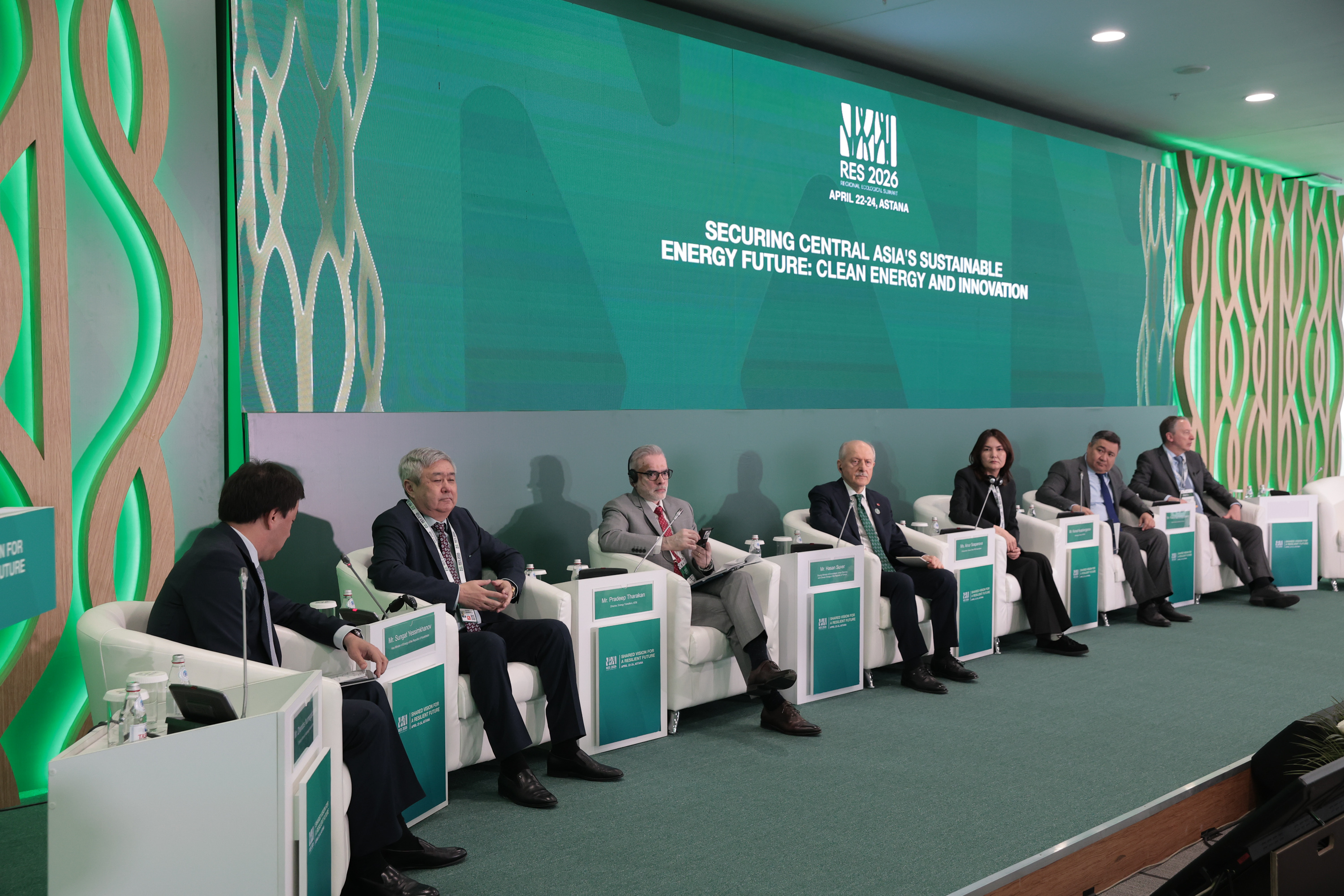
QAZAQ GREEN. Central Asia stands at a pivotal moment in its development on the global energy stage. The region's dynamic economic growth, strategic geographic location, and abundant renewable resources present unprecedented opportunities for modernizing energy systems and deepening regional integration. Experts increasingly regard the region as a potential clean energy hub for global markets.
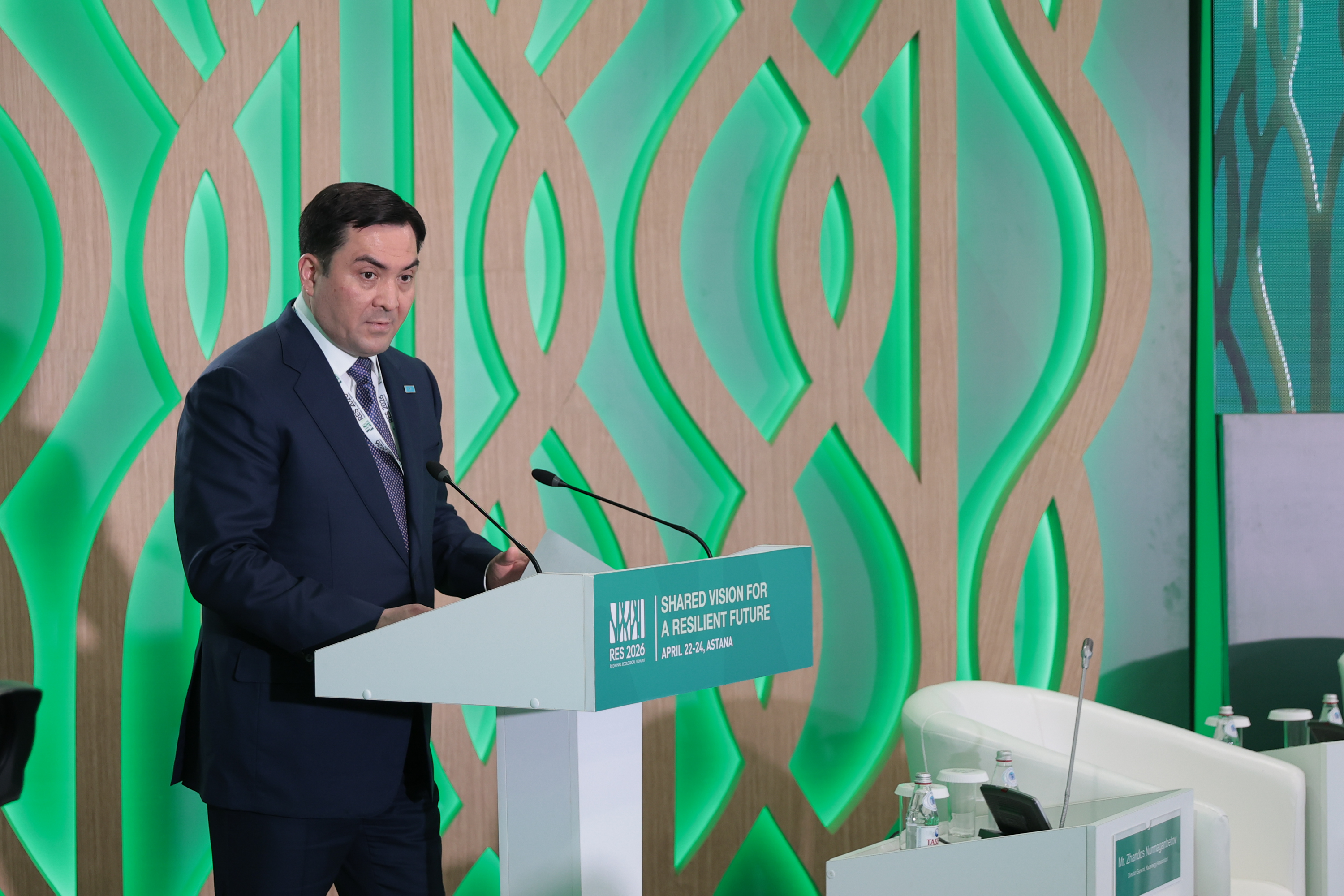
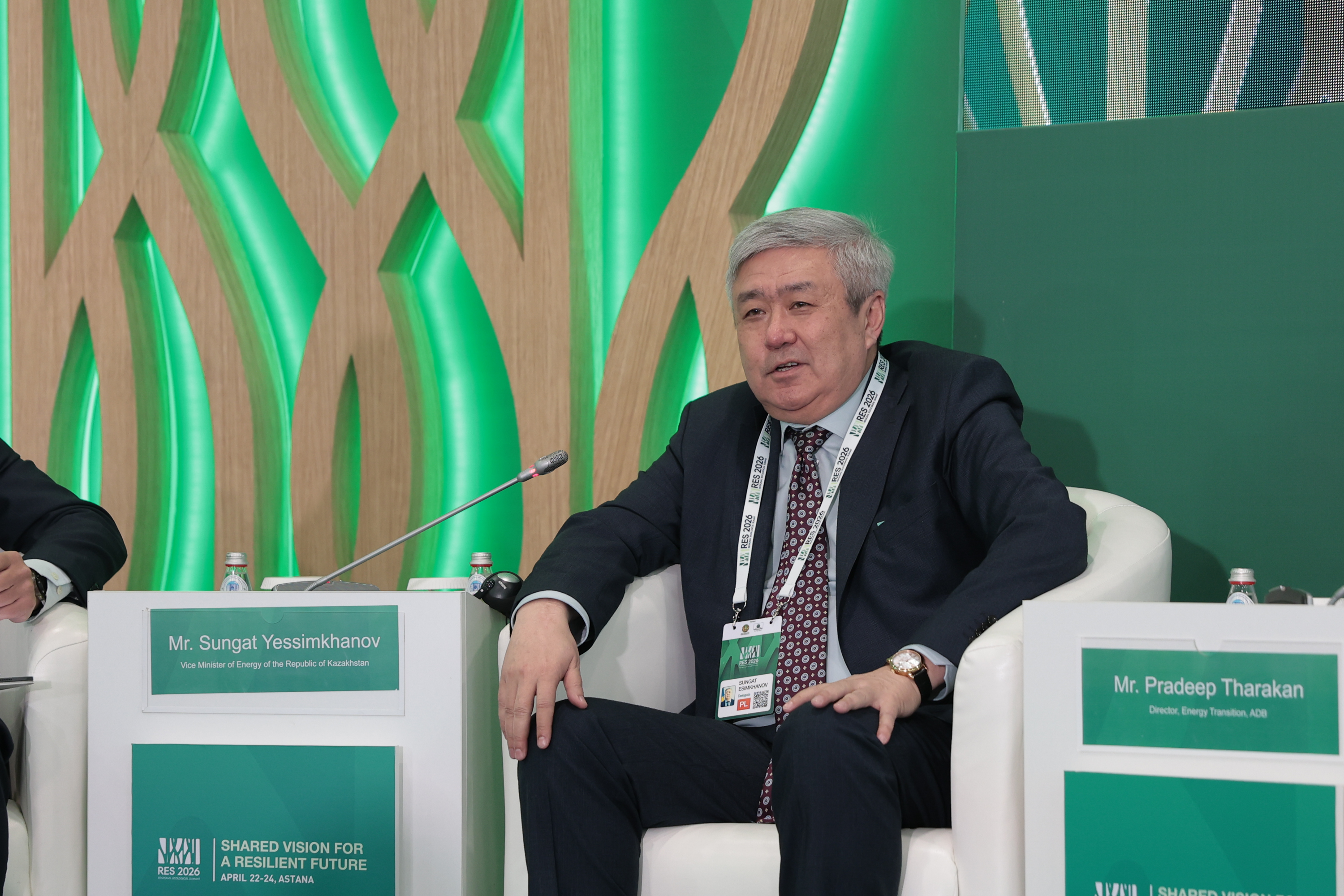
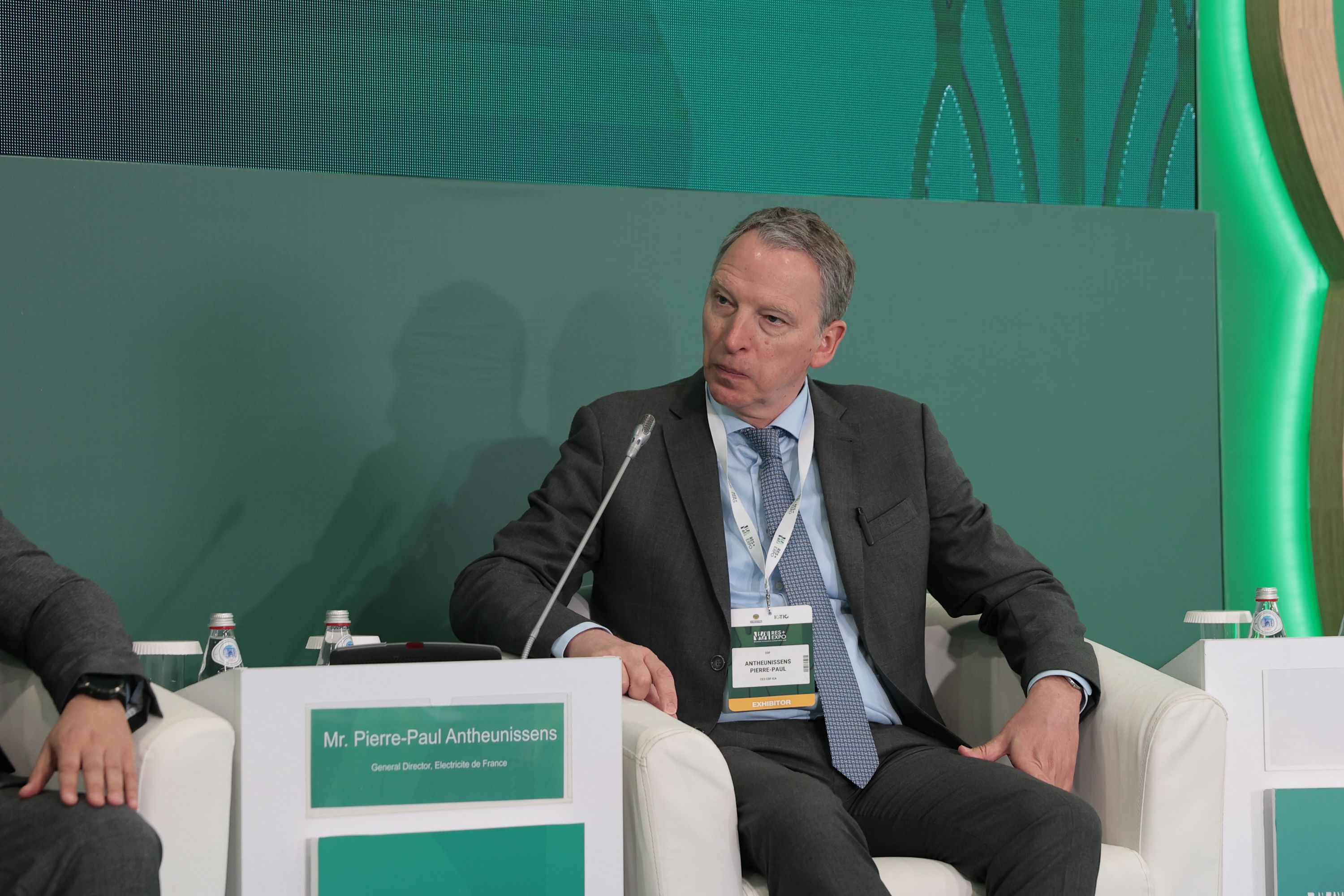
Against this backdrop, the Regional Ecological Summit 2026 in Astana hosted a joint session titled "Securing Central Asia's Sustainable Energy Future: Clean Energy and Innovations." The discussion brought together Kazakhstan's Minister of Energy Yerlan Akkenzhenov, Deputy Minister of Energy Sungat Yessimkhanov, ADB Director of Energy Transition Pradeep Tharakan, General Director of Electricité de France Central Asia Pierre-Paul Antheunissens, Chairwoman of the Management Board of Qazaq Green RES Association Ainur Sospanova, as well as representatives of the ADB, UN ECE, KEGOC, and a number of international organizations. The first session was moderated by General Director of the Kazenergy Association Zhandos Nurmaganbetov. Participants discussed practical approaches to deploying sustainable energy innovations, tools for financing the energy transition, and mechanisms for a just transition grounded in the principle of inclusivity.
Social Responsibility as a Priority
Kazakhstan's Minister of Energy Yerlan Akkenzhenov, opening the session, outlined the country's core position: the energy transition must not come at the expense of people.
"This transition must be balanced, gradual, and socially responsible, taking into account the interests of workers, regions, and vulnerable groups of the population," he stated.
On the regional dimension, the Minister stressed that no country can meet the challenges of the energy transition alone.
"Only through joint efforts of the Central Asian countries, with the support of international financial institutions and development partners, will we be able to effectively achieve the goals of a just energy transition and sustainable development," Akkenzhenov emphasized.
The Global Picture: Electrifying Everything
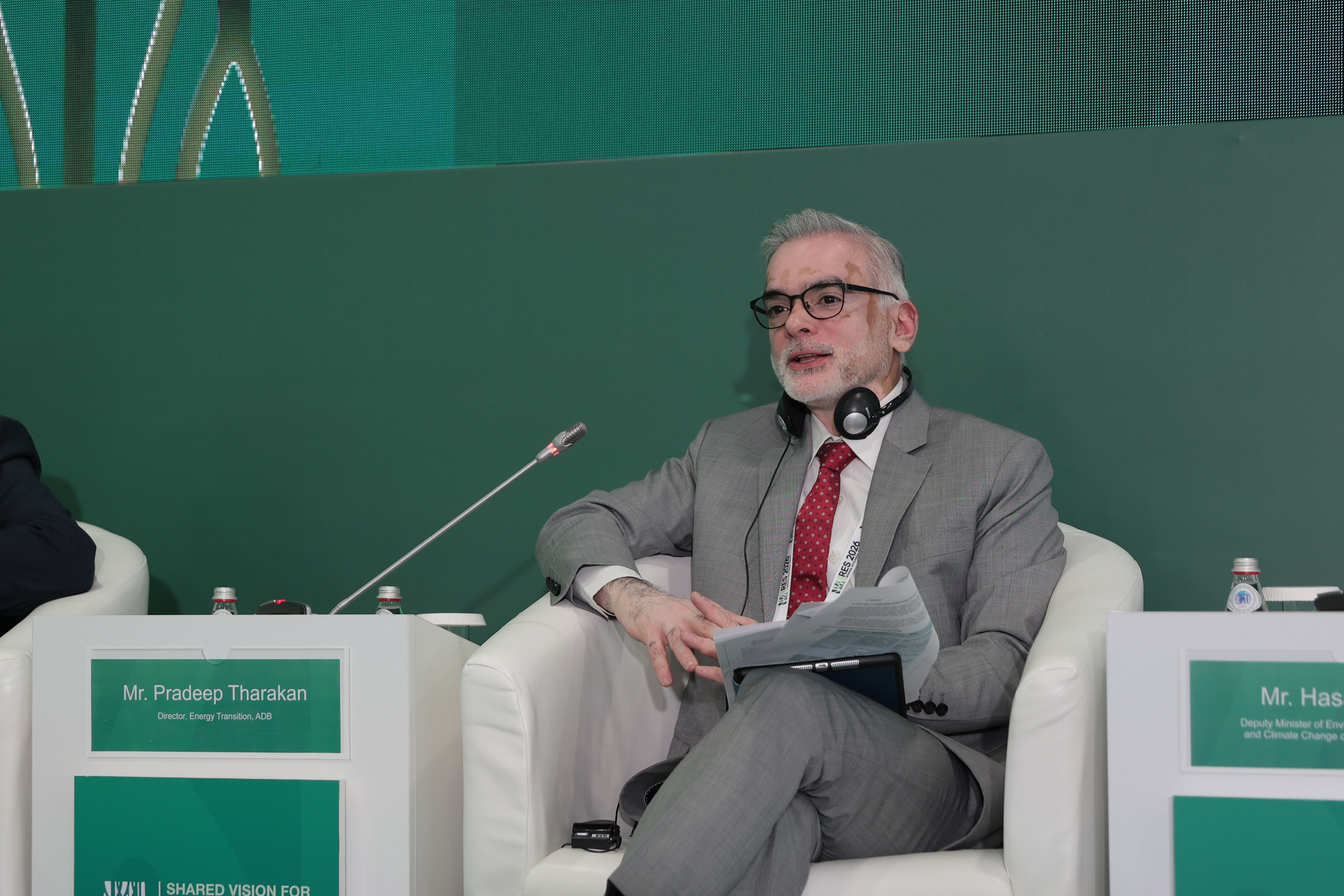
ADB's Director of Energy Transition Pradeep Tharakan opened the discussion with a broad overview of global trends. He noted that in 2025 the global energy sector invested $3 trillion worldwide, with $2 trillion directed toward clean energy. Electricity demand, he pointed out, is growing at nearly twice the rate of overall energy demand, with the bulk of new demand being met by renewables. Industry, cooling systems, heat pumps, and data centres were identified as the primary drivers.
Tharakan also drew attention to China's commanding position: the country's total installed solar and wind capacity is three times greater than that of the next two countries combined. In March 2026 alone, China exported $22 billion worth of clean energy equipment — a record for a single month. As a striking example of rapid transformation, he cited Nepal, which ranks second globally after Norway in the share of EVs in new car sales.
Yet the greatest bottleneck in the global energy transition, he argued, is not generation but transmission infrastructure.
"There is no transition without transmission. We are talking about a two to three-fold increase in the requirements for transmission lines and distribution lines," he stated plainly.
People Over Technology
Acknowledging the scale of the technological and financial challenge, Tharakan insisted that people must remain at the center of the conversation.
"The energy transition cannot be only about technology and finance. It's also about people — the workers, communities, and economies that depend on today's energy systems," he stressed.
This is precisely why the session was divided into two parts: clean energy and innovation, and social sustainability and transition risks. In Tharakan's view, the fundamental question has shifted.
"The question before us is not whether to transition, but how to do so responsibly, inclusively, and co-optimally," the ADB Director stated.
ADB in Kazakhstan: From Finland to the Caspian
On the ground in Kazakhstan, Tharakan shared that following the MOU signed with the government at COP29, ADB is developing pilot solutions to modernize combined heat and power plants. As part of this work, a delegation of senior Kazakhstani officials visited Finland — a country that has reduced the share of coal, oil, and gas in its district heating from 80% to near zero — to draw lessons in biomass, waste heat recovery, and renewable-based electric heating. Finland's experience is now being studied as a potential model for Kazakhstani regions.
At the regional level, ADB and the Asian Infrastructure Investment Bank are conducting analytical work on two major interconnection projects — the Caspian Sea Corridor and a high-capacity HVDC sub-sea line across the Black Sea — aimed at creating green energy corridors to export renewable electricity to Europe.
The bank is also advancing an integrated approach linking grid greening, industrial development, and critical minerals-to-manufacturing value chains. On 17 April 2026, ADB co-signed the Joint MDB Statement on Critical Minerals to Manufacturing Value Chains alongside eight other multilateral development banks. The official launch of the CMM Financing Partnership Facility — a fund with grant and catalytic finance windows supported by Japan, Korea, and the UK — is scheduled for 3 May 2026 at the ADB Annual Meeting in Samarkand. Three key mineral belts have been identified in the region: the Caucasus Belt, the Northern Kazakh-Mongolian Belt, and the Central Asian Belt.
Kazakhstan and the BESS Gigawatt: How the Market Works
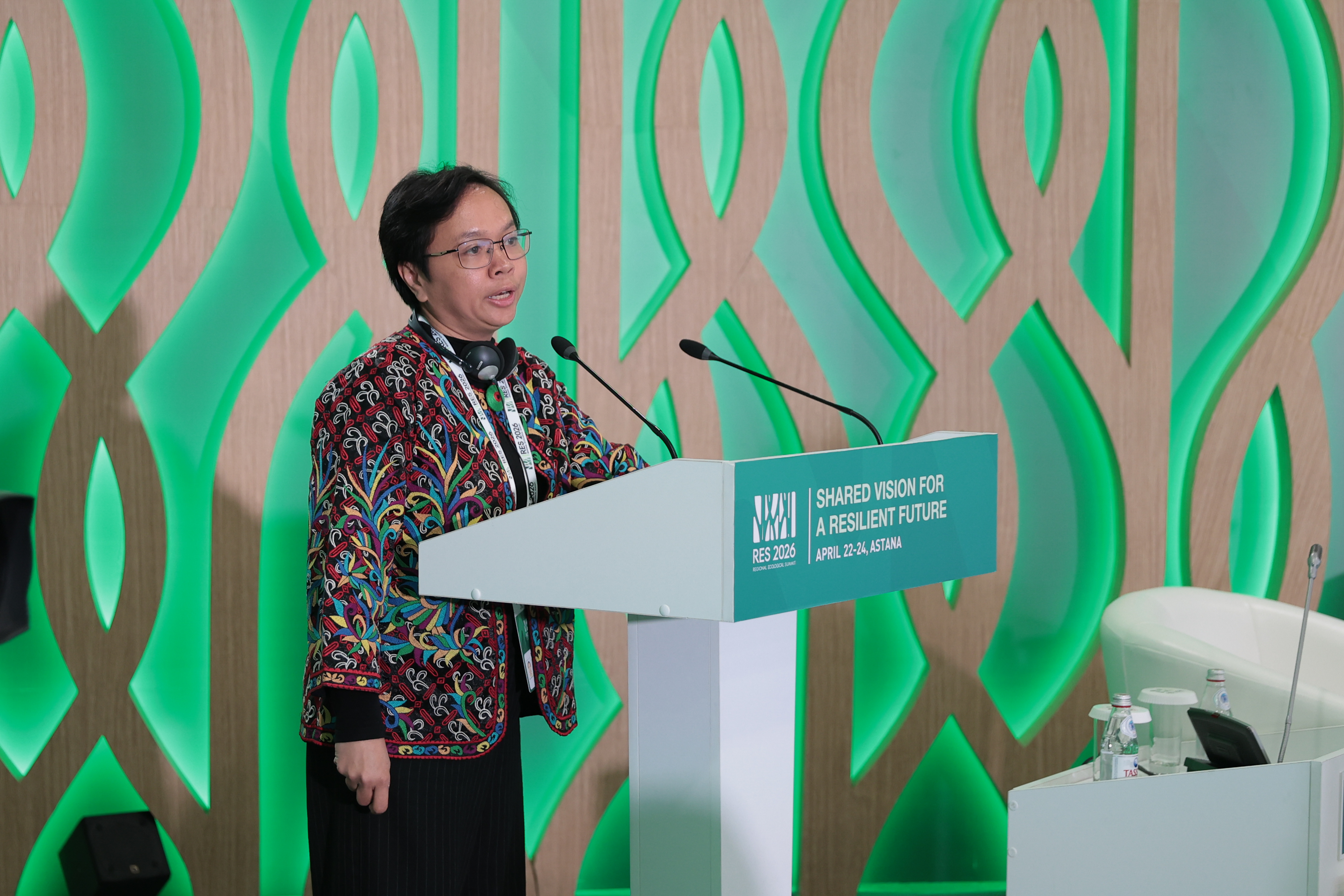
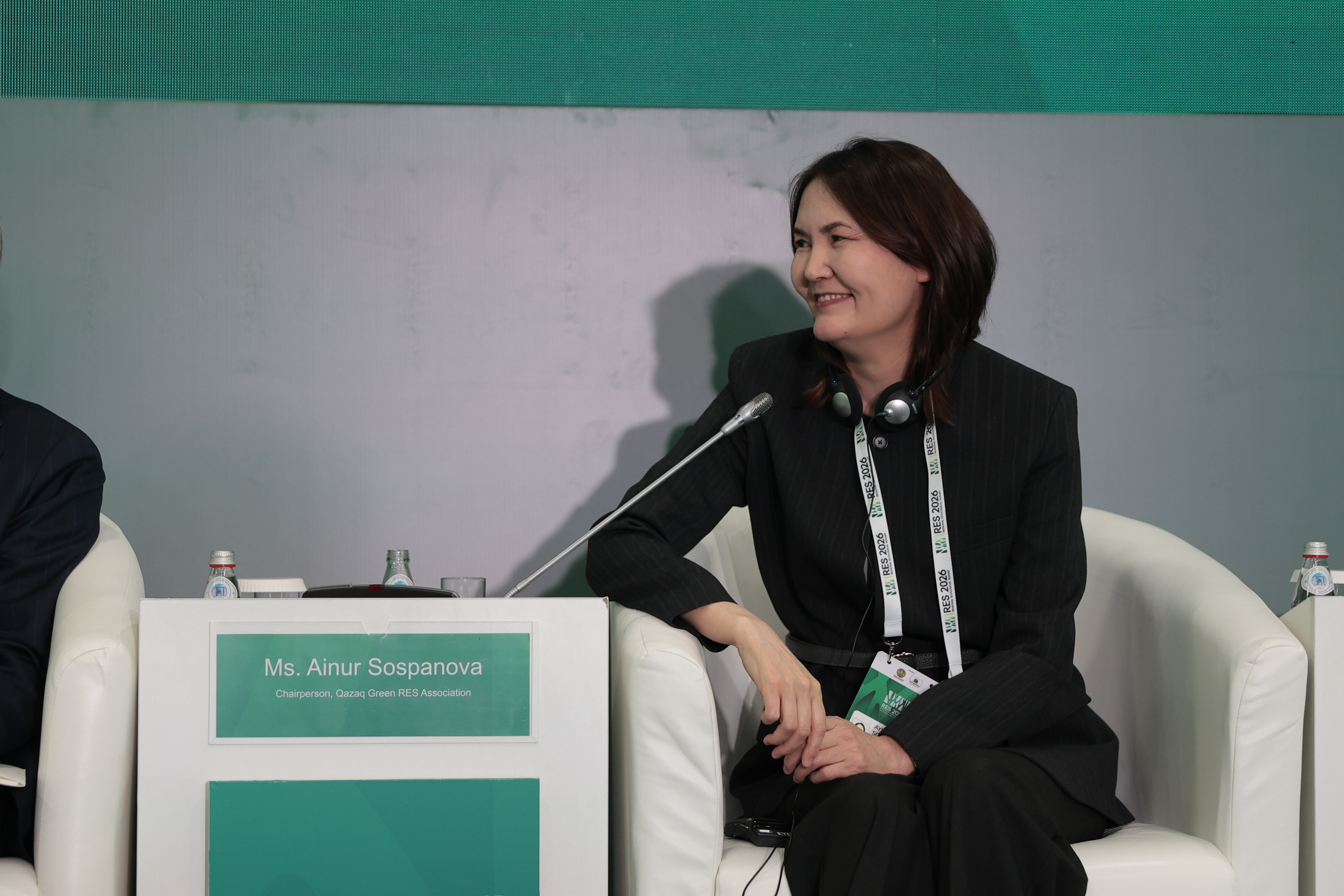
Ainur Sospanova, Chairwoman of the Qazaq Green RES Association, presented a detailed analysis of the battery energy storage system (BESS) market in Kazakhstan. The association has been operating since 2018 and is accredited by Kazakhstan's Ministries of Energy, Ecology, and Water Resources, enabling it to continuously monitor and review regulatory and legislative initiatives. Its membership has expanded considerably in recent years, with oil and gas and mining companies joining alongside renewable energy developers — all seeking to decarbonize their core operations.
In 2025, in partnership with Huawei, the association developed a White Paper on energy storage systems, drawing on experts in technology, economics, and law. The paper was presented on 28 May at Nazarbayev University, with participation from leading global BESS manufacturers: Huawei, Saft, Envision, and Sungrow.
"This book is useful not only for decision-makers, but also for researchers and those who can use energy storage in their production processes — both as consumers and as generators," Sospanova emphasized.
The association proposes three mechanisms to support BESS projects. The first is RES-plus-storage auctions with a two-part tariff structure that accounts separately for the project's overall economics and the storage component. A key challenge here is the degradation of storage systems, which require replacement at least every ten years — particularly critical under contracts lasting 20 years or more. The cost of storage systems has also dropped considerably in recent years, a factor that must equally be reflected in financial models.
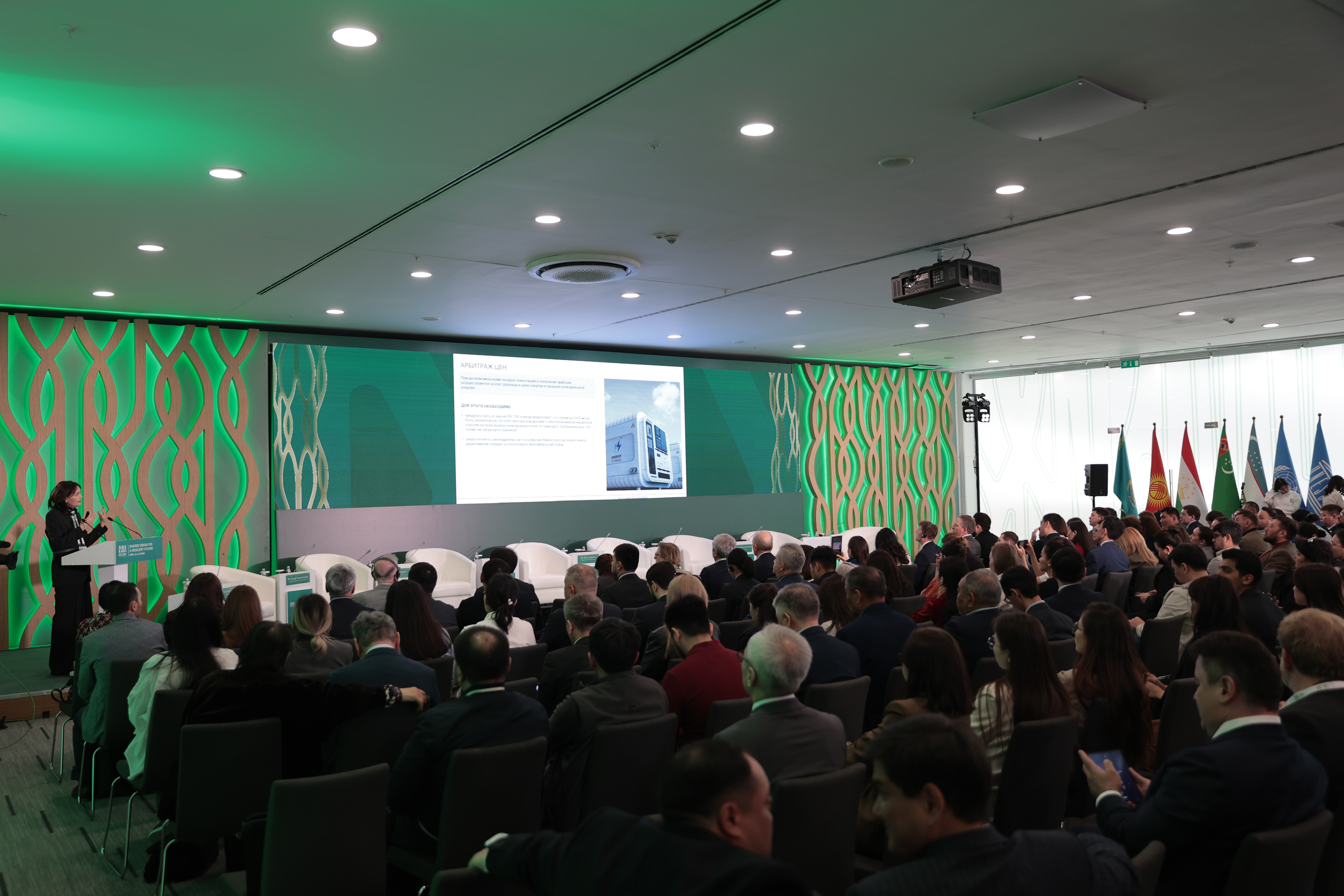
The second mechanism is price arbitrage, which the association is developing jointly with the Ministry of Energy.
"It is a purely market-based mechanism where the owner of a storage system can purchase electricity at a cheap tariff during surplus hours, accumulate that energy in their systems, and then supply electricity at a different tariff during deficit hours. It is on this difference between cheap surplus and expensive deficit tariffs that they can build their business model," Sospanova explained.
The third mechanism involves integrating storage systems into the capacity market, where investors would receive payment for every megawatt of installed storage capacity — providing a clear and predictable support structure.
Beyond One Gigawatt: Already a Reality
The scale of what is coming is substantial. The largest intergovernmental projects — wind farms involving TotalEnergies, Masdar, and Chinese investors, each exceeding 1 GW — require storage capacity of at least 30% of installed wind capacity with a minimum two-hour discharge duration. The April 2025 auction for 1 GW of wind generation similarly mandated 300 MW of storage with a two-hour capacity, equivalent to 600 MWh.
"In the coming years, Kazakhstan will already have storage systems exceeding one gigawatt. The energy system will be able to use the storage infrastructure by connecting it to the automated frequency regulation system, so that it can better handle the integration of large volumes of renewable energy," Sospanova concluded.
Existing legislation already requires storage systems above 60 MW to connect to the automated frequency and power regulation system — a step Sospanova described as a positive development that will significantly ease the system operator's work as large-scale renewable integration accelerates.
The session concluded with the identification of priority areas for further regional cooperation and analytical work — with a shared understanding that the window of opportunity for Central Asia is open, and must be seized together.
No transition without transmission: How Central Asia is building its energy future
ADB to invest $5.5bn across 15 projects in Kazakhstan
17 agreements worth over $2.3 billion signed at the opening of RES 2026 EXPO in Astana
World Bank to invest $1bn in Central Asia's energy integration
Kazakhstan and China to launch a 500 MW wind farm in Karaganda region
Kazakhstan and Tajikistan move toward clean power deal over Rogun HPP
Regional Ecological Summit 2026 opens in Astana
Solar pumps and drip irrigation help Kyrgyz farmers cut costs amid rising energy prices
Hormuz closure failed to trigger coal comeback as solar and wind filled the gap
Astana set to launch RES 2026 EXPO and ink key international deals
Central Asian countries to discuss energy transition at RES 2026 in Astana
Moldova surpassed 1 GW of installed renewable energy capacity
China begins building US$1 billion hydropower station in Cambodia
Thousands protest in Germany urging faster green shift
Scientists from Russia and Uzbekistan improved the stability of green energy systems by 24%
Kazakh startup ranks in GCIP global top 3 in Vienna
Kazakhstan poultry farm produces 15 million kWh of energy from waste
China, Spain expand partnership in solar and wind power
Mongolia engages Hanwha Group in industrial and clean energy development
Russia to test horizontal and vertical wind power plants at new renewable energy test site in Adygeya