

News of Central Asia06.11.2025
Uzbekistan expands green energy production and renewable equipment manufacturing


QAZAQ GREEN. Uzbekistan is accelerating its transition to renewable energy and boosting local manufacturing capacity for green technologies. At a recent meeting of the Legislative Chamber of the Oliy Majlis, the Minister of Energy responded to a parliamentary inquiry on the development of renewable energy, Gazeta.uz reports.
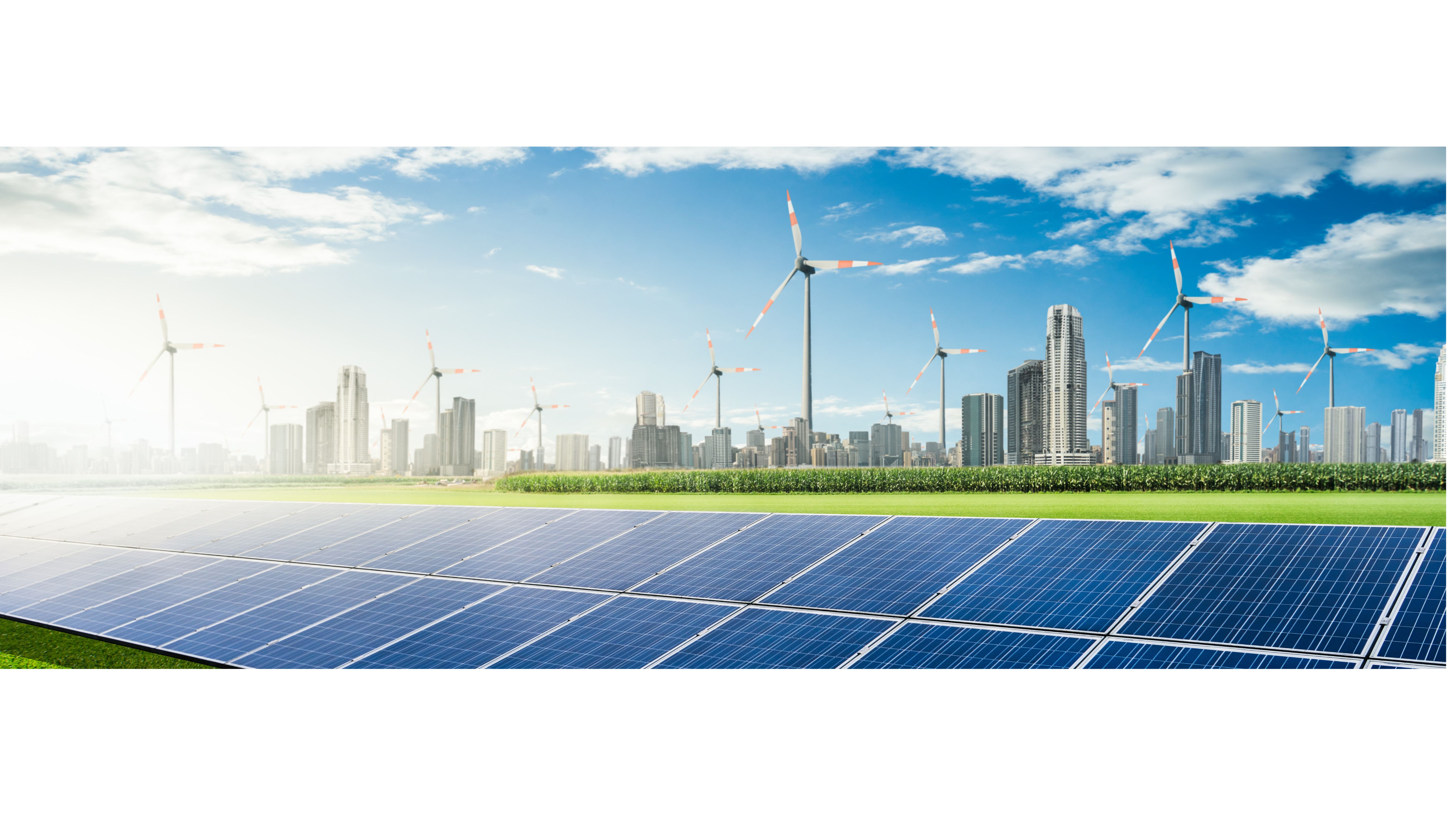
Several international companies plan to establish factories in Uzbekistan to produce components for wind turbines. A solar panel plant with a capacity of up to 500 MW is already operating in the Navoi region, while production of inverters and metal structures has started in the Jizzakh region.
“Thanks to local component production, the cost of renewable energy generation has dropped from 20 to 12 cents per kilowatt-hour,” the minister said. Plans are also underway to launch the production of wind blades in Jizzakh and wind tower structures in Karakalpakstan.
Currently, Uzbekistan has installed solar panels with a combined capacity of 1,857 MW and solar collectors with a total volume of 4.8 million litres. These installations have saved 2.21 billion kWh of electricity and 669.7 million cubic metres of gas, while preventing 875,000 tonnes of CO₂ emissions.
Seven solar panel manufacturing plants with a total capacity of 770 MW and five domestic producers of solar water heaters are operating across the country. By 2030, solar photovoltaic capacity is expected to reach 9.4 GW.
Solar panels have also been installed in 38 universities, generating 6.2 MW of power and saving 3.5 million kWh of electricity and 100 million cubic metres of gas. In addition, 32,117 households received payments totalling 133.8 billion soums for the electricity they supplied to the grid.
The Ministry of Energy also projects that by 2050, solar panel waste could reach 40 tonnes. To address this, a national recycling system will be introduced for the safe disposal of used panels. Legislative changes are being drafted to establish dedicated landfills and provide tax incentives for recycling enterprises.
Solar pumps and drip irrigation help Kyrgyz farmers cut costs amid rising energy prices
Hormuz closure failed to trigger coal comeback as solar and wind filled the gap
Astana set to launch RES 2026 EXPO and ink key international deals
Central Asian countries to discuss energy transition at RES 2026 in Astana
Moldova surpassed 1 GW of installed renewable energy capacity
China begins building US$1 billion hydropower station in Cambodia
Thousands protest in Germany urging faster green shift
Scientists from Russia and Uzbekistan improved the stability of green energy systems by 24%
Kazakh startup ranks in GCIP global top 3 in Vienna
Kazakhstan poultry farm produces 15 million kWh of energy from waste
China, Spain expand partnership in solar and wind power
Mongolia engages Hanwha Group in industrial and clean energy development
Russia to test horizontal and vertical wind power plants at new renewable energy test site in Adygeya
Brussels sets timeline: grid package by summer, electrification strategy to follow
RES 2026 to address workforce training for renewable energy scale-up
Algeria commissions 400 MW of solar capacity
Deadline approaching: KOREM invites bids for wind and solar power auctions
From crisis to security: IRENA lays out renewables roadmap for governments
Renewable energy generation in Kazakhstan rises 15% in Q1 2026
Kazakhstan climbs the Climatescope rankings