

News Kazakhstan08.10.2025
Kazakhstan is modernising its energy sector. Why is this also an economic issue?


QAZAQ GREEN. Kazakhstan continues large-scale modernisation of its energy sector. A separate strategy has been adopted — the National Project for the Modernisation of the Energy and Utilities Sectors — aimed at attracting trillions in investment and implementing extensive upgrades of generation networks and facilities. According to recent data, over the next five years more than 13 trillion tenge will be required to repair and build 86,000 km of utility networks and commission additional generation sources with a total capacity of 7.3 gigawatts.
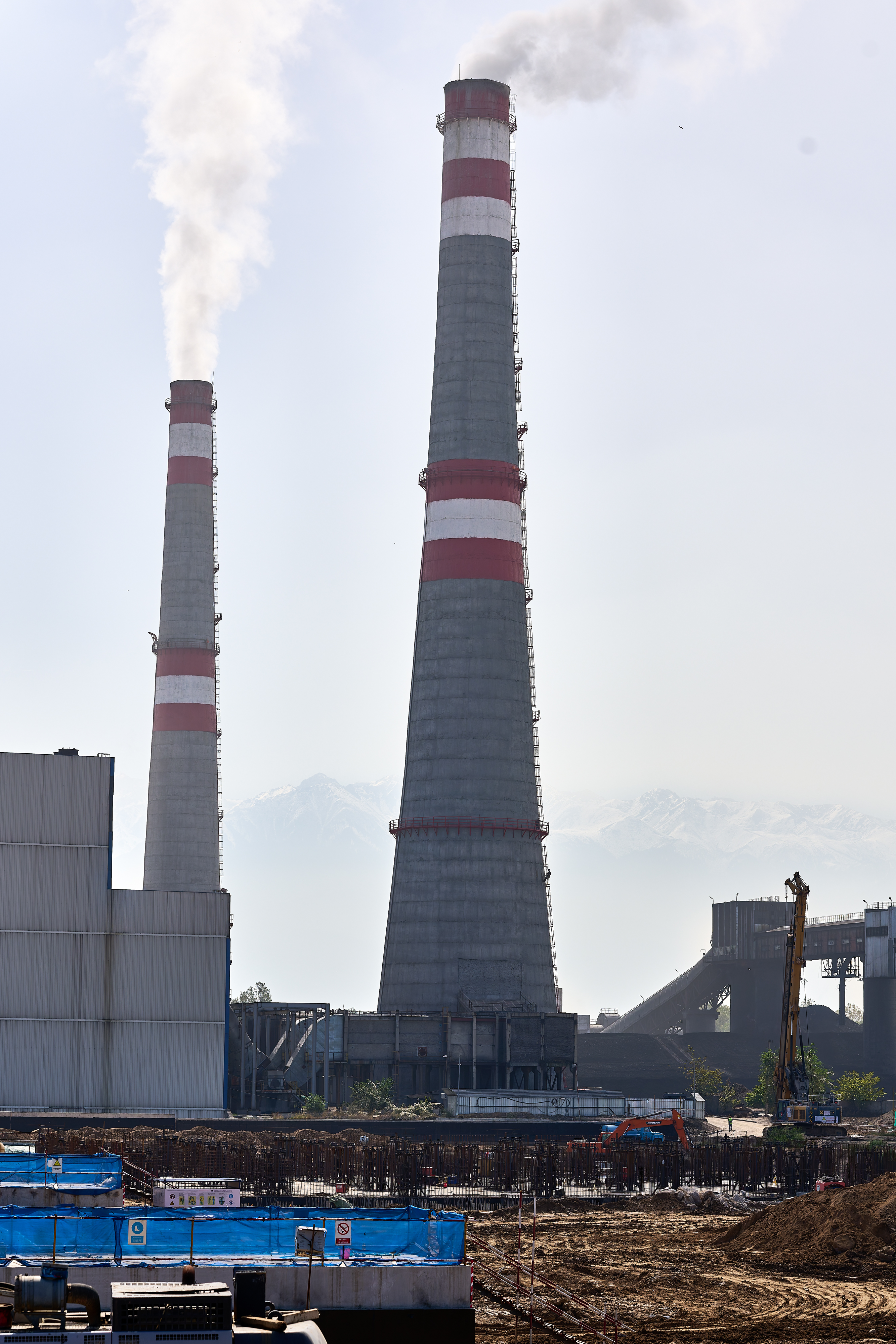
At the same time, work continues on upgrading existing facilities, including the conversion of coal-fired plants to natural gas. For many years, coal was the backbone of Kazakhstan’s electricity and heat supply, but its environmental cost has proven high: major cities such as Almaty regularly face smog and high emissions. Under these conditions, switching power plants to gas is both a necessary and strategic step — reducing the environmental burden while improving the overall efficiency of the energy sector.
Why is this important? On one hand, gasification of combined heat and power plants (CHPs) is a tool for tackling air pollution. On the other, it strengthens Kazakhstan’s energy security. Natural gas serves as a “transition fuel,” creating conditions for the subsequent development of renewable energy sources.
Projects already underway in Kazakhstan will halve carbon dioxide emissions and virtually eliminate sulphur dioxide and ash. One such project is the modernisation of Almaty’s CHP-2, discussed below.
What is the essence of the project?
The Zhakutov CHP-2 in Almaty, operating since 1980, is one of the city’s main power stations, supplying residents and businesses with electricity, heating, and hot water.
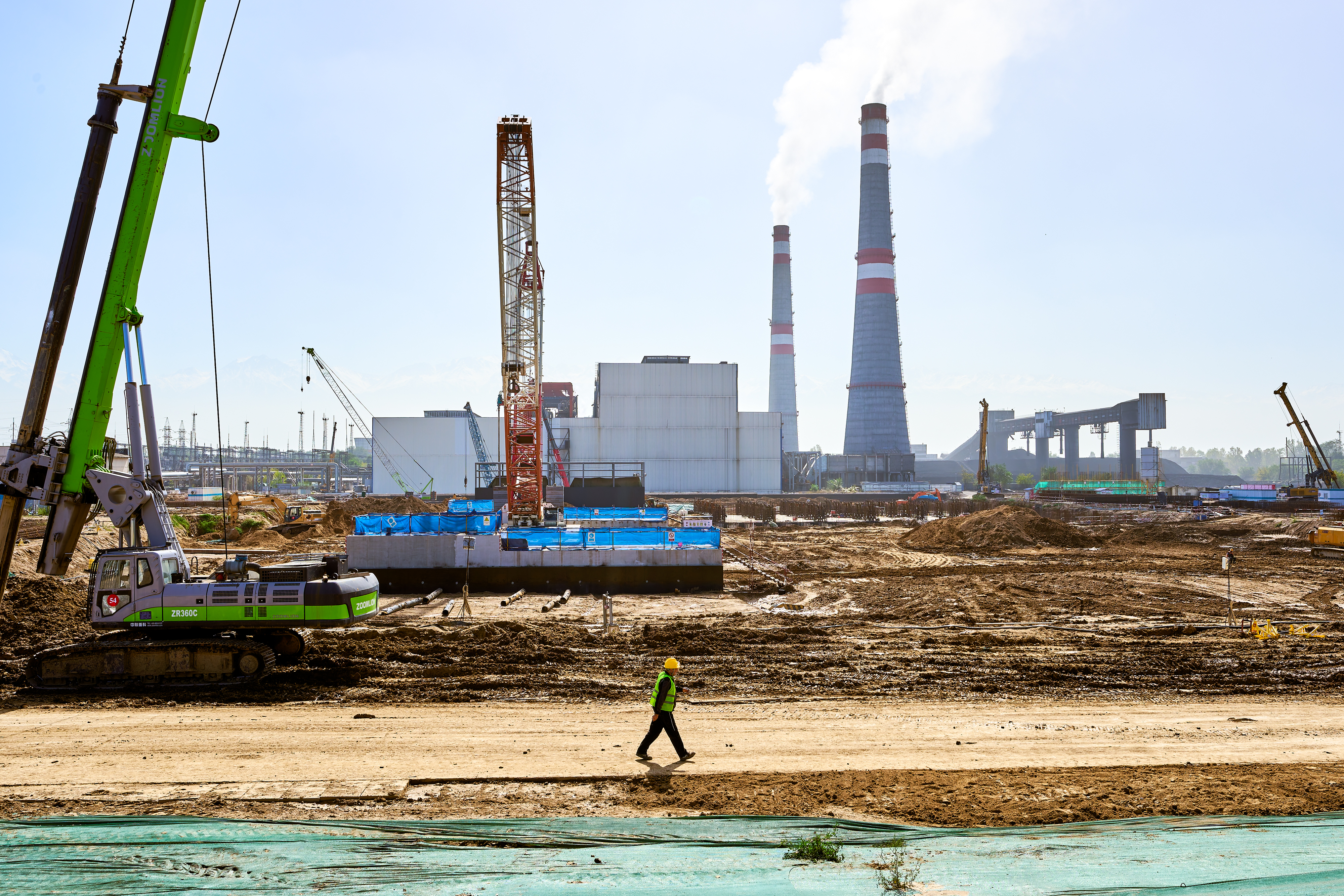
The plant currently runs on coal, which contributes to severe air pollution — images of Almaty’s smog are widely known. To address this, the government has launched the largest environmental project in the city’s history: the modernisation of the CHP-2 using advanced technologies and equipment.
According to Andrey Chibuk, a representative of Almaty Electric Power Plants (AlES), the modernisation project includes two construction phases: a modular boiler house and the main plant building.
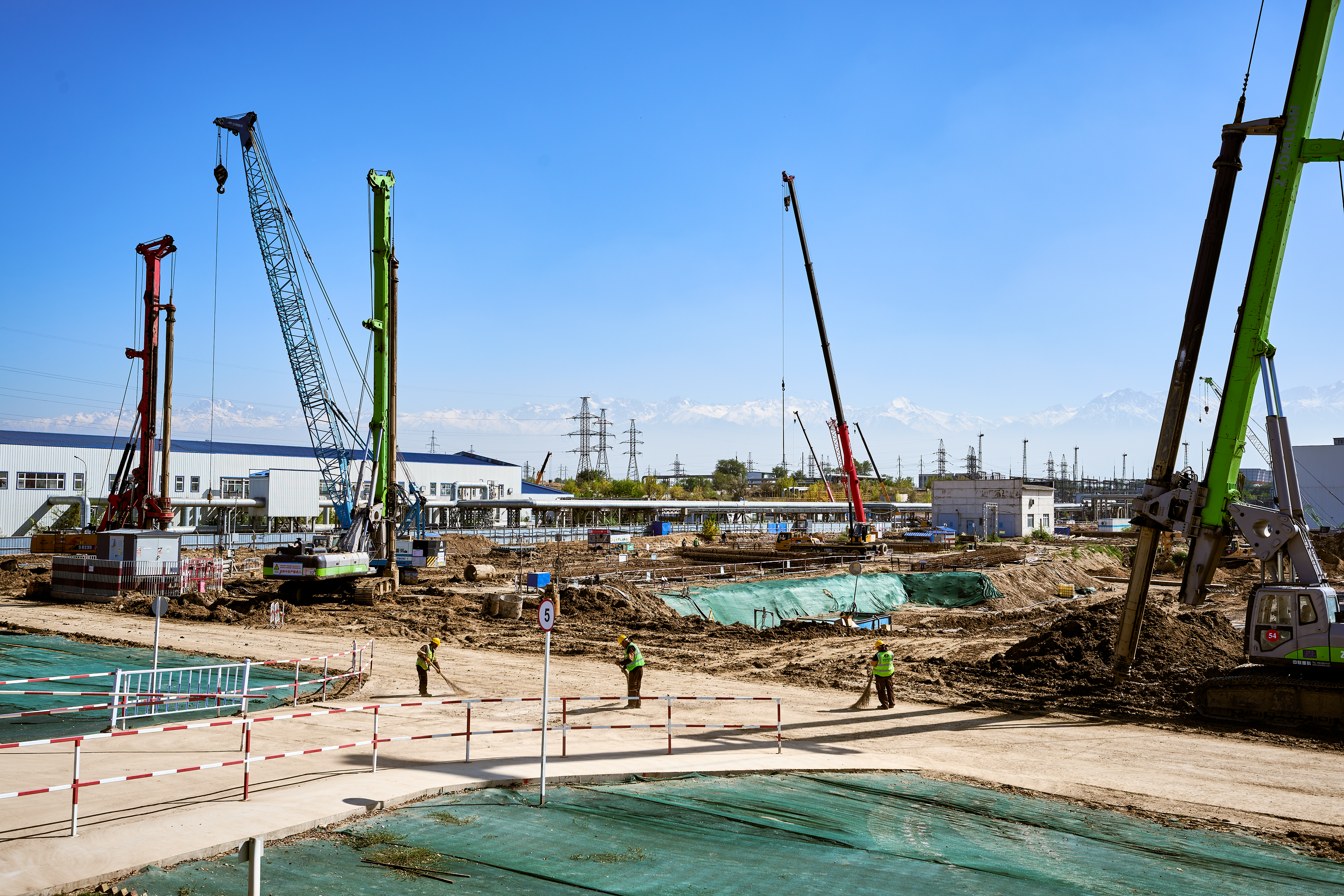
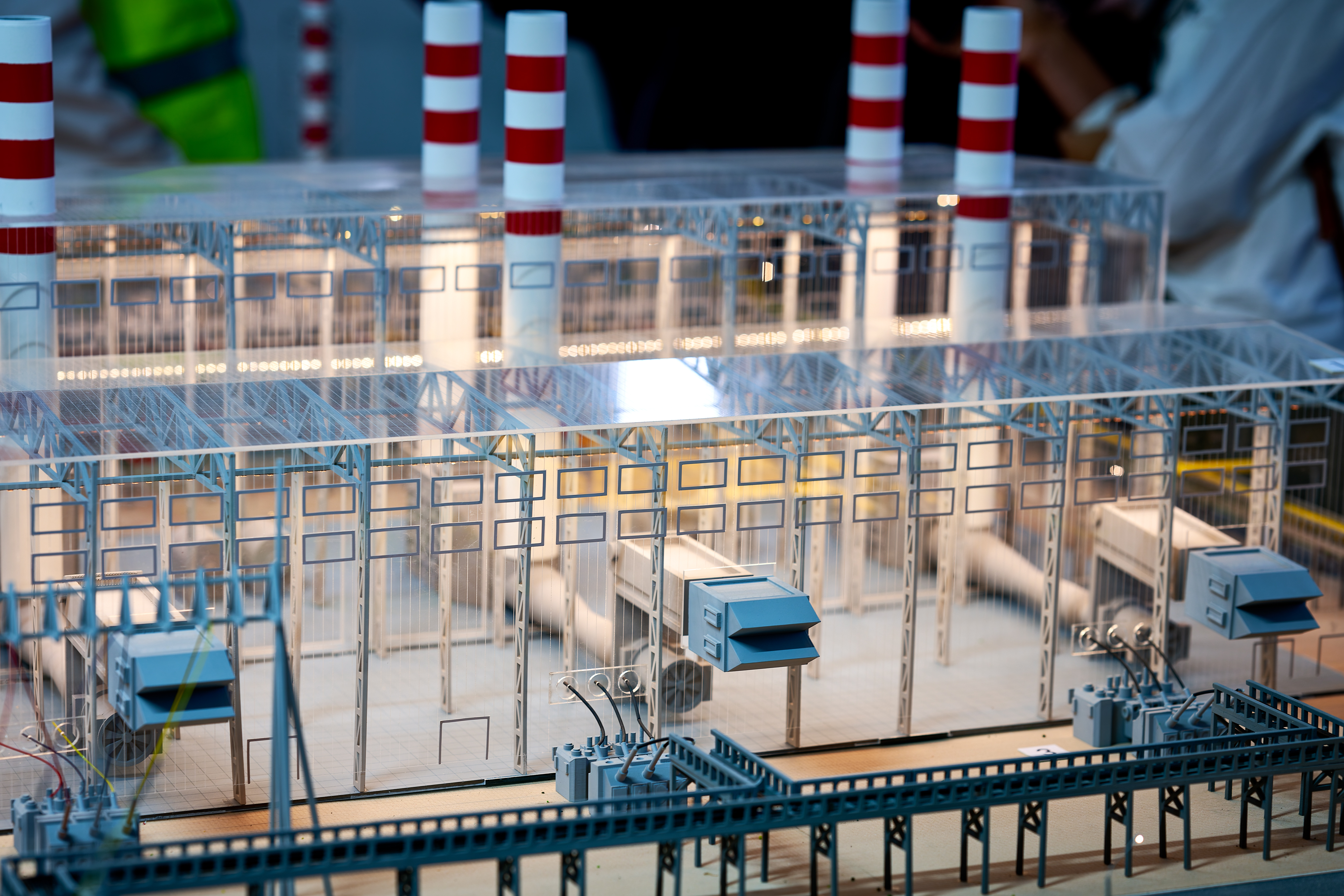
The first stage comprises four hot-water boilers and three steam boilers with a capacity of 125 tonnes of steam per hour for internal needs. The second stage involves constructing the main building with two power units. The project’s complexity lies in the site’s challenging soil conditions and strict seismic safety requirements, which required special technical solutions and the installation of a pile field.
“The station will be equipped with modern purification systems allowing the co-combustion of gas. (…) By 2030, the station will achieve virtually zero harmful emissions. This is a significant environmental milestone for Almaty, which has long struggled with air quality,” says Andrey Chibuk.
At the same time, there are clear economic benefits — reliability and stability of energy supply to Almaty and nearby districts of the Almaty region will increase, ensuring steady growth for local businesses.
The project introduces modern combined-cycle technology, which has a higher efficiency rate than even nuclear generation. Emissions from gas-fired stations are minimal and meet the strictest international standards.
“As a result, total emissions will decrease tenfold. Residents will notice it immediately: the smoke visible above the plant today will disappear. This will apply not only to Almaty, but to all power stations converted to the modern combined-cycle system,” adds Chibuk.
The EPC contract for design, construction, and commissioning was signed in 2023 with a consortium of three Chinese companies. According to the client, work is proceeding on schedule — gas turbines, generators, and boilers have been delivered and partially installed. Equipment suppliers include leading manufacturers from China, the United States, and Europe.
Parallel to construction, another crucial process is nearing completion — signing a contract for the supply of natural gas in the required volumes to ensure timely commissioning.
The modernisation is scheduled for completion in December 2026. By then, TPP-2 will fully transition to natural gas, with an installed electric capacity of 557 MW and a thermal capacity of 952 Gcal/h.
Commissioning will take place in stages. As new power units go online, the old facilities will be gradually decommissioned. During the transition period until around 2027, some of the old boilers will operate alongside the new units to maintain reliable heat supply, especially in winter. Once the new gas units demonstrate stable performance, the old infrastructure will be permanently shut down.
Why is this important?
The modernisation of Almaty’s CHP is a major contribution to Kazakhstan’s climate commitments and carbon footprint reduction. It also demonstrates how the energy sector can serve both economic and environmental objectives through responsible management.
Funding for this large-scale project comes from three sources. The first is the company’s own capital of 37 billion tenge, used for advance payments and design. The second is loans from financial institutions — including the Asian Development Bank (ADB), the European Bank for Reconstruction and Development (EBRD), and the Development Bank of Kazakhstan — which finance about 80% of total project costs. The third is state support through investment incentives.
According to Utsav Kumar, ADB Country Director for Kazakhstan, the bank has cooperated with Kazakhstan for 31 years, investing about $7.5 billion in projects across transport, public sector management, energy, and finance.
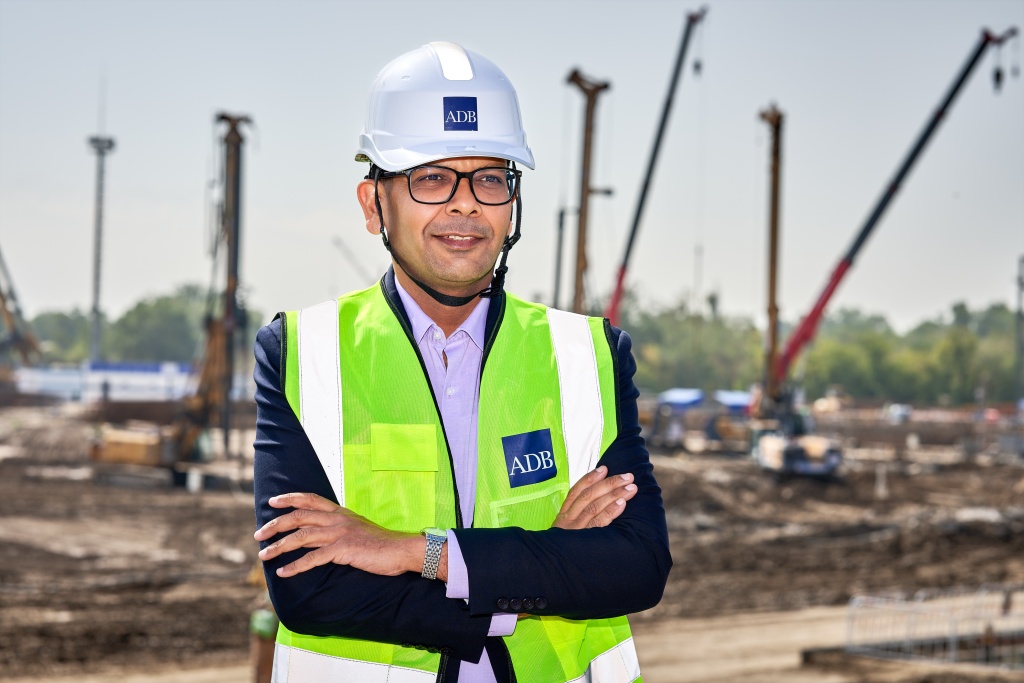
“Kazakhstan has set ambitious targets: to reduce greenhouse gas emissions by 20–35% compared to 1990 levels by 2030, and to achieve carbon neutrality by 2060. In this context, we are supporting the country with investments and projects exceeding $500 million in the energy sector,” says Kumar.
These projects include the construction of a 100 MW solar power plant in Shu, a 50 MW solar power plant in the Zhambyl region, the conversion of Almaty’s CHP-2 from coal to gas, and cooperation with KEGOC to expand the southern power grid for renewable energy integration.
The Almaty CHP-2 modernisation project holds particular significance for ADB, notes Alibek Abdrakhmanov, the bank’s Country Operations Head. It directly contributes to Kazakhstan’s transition to cleaner energy sources.
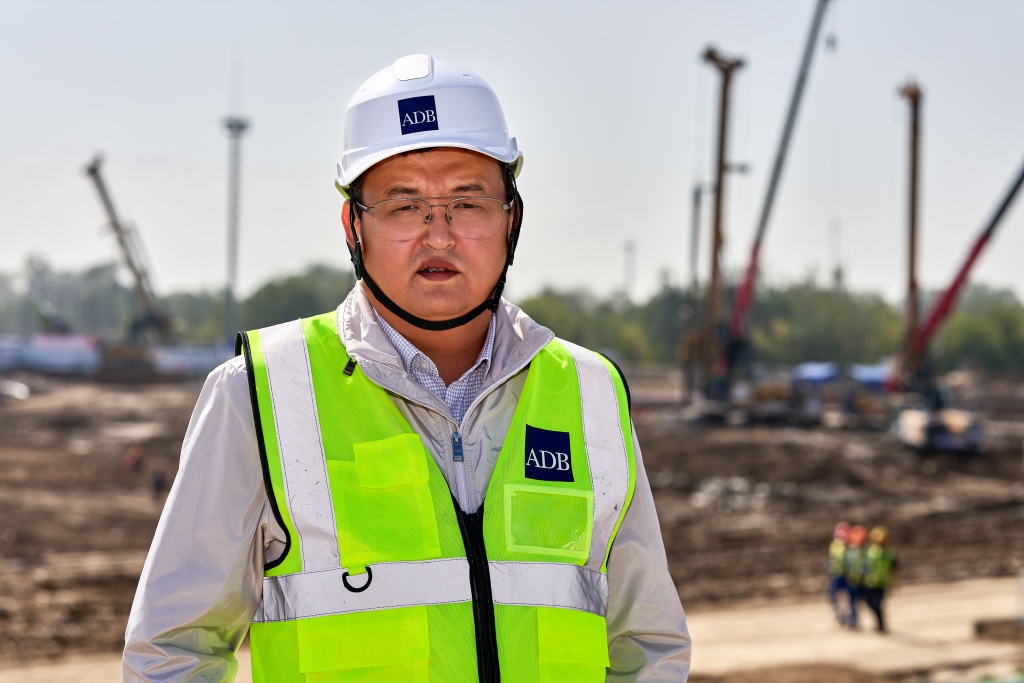
“With the commissioning of the upgraded plant, harmful emissions will sharply decline — in some cases, nearly to zero. This applies primarily to particulate matter and other pollutants. Carbon dioxide emissions will also drop significantly, helping Kazakhstan meet its international climate targets,” says Abdrakhmanov.
From the investors’ perspective, the project aligns with ADB’s mission to foster economic development and energy transition. Upon completion, it will bring tangible economic returns.
“The direct effect will be additional tax revenues from construction and operations. The indirect effect — though harder to quantify — includes lower healthcare costs and improved public health due to better air quality,” adds Abdrakhmanov.
In essence, the modernisation of Almaty’s CHP-2 delivers broad, multi-level benefits — improving both environmental conditions and economic resilience. It not only strengthens the city’s sustainability but also advances Kazakhstan’s national goal of achieving carbon neutrality and modernising its energy infrastructure with cleaner technologies.
Photos courtesy of ADB press office
Solar pumps and drip irrigation help Kyrgyz farmers cut costs amid rising energy prices
Hormuz closure failed to trigger coal comeback as solar and wind filled the gap
Astana set to launch RES 2026 EXPO and ink key international deals
Central Asian countries to discuss energy transition at RES 2026 in Astana
Moldova surpassed 1 GW of installed renewable energy capacity
China begins building US$1 billion hydropower station in Cambodia
Thousands protest in Germany urging faster green shift
Scientists from Russia and Uzbekistan improved the stability of green energy systems by 24%
Kazakh startup ranks in GCIP global top 3 in Vienna
Kazakhstan poultry farm produces 15 million kWh of energy from waste
China, Spain expand partnership in solar and wind power
Mongolia engages Hanwha Group in industrial and clean energy development
Russia to test horizontal and vertical wind power plants at new renewable energy test site in Adygeya
Brussels sets timeline: grid package by summer, electrification strategy to follow
RES 2026 to address workforce training for renewable energy scale-up
Algeria commissions 400 MW of solar capacity
Deadline approaching: KOREM invites bids for wind and solar power auctions
From crisis to security: IRENA lays out renewables roadmap for governments
Renewable energy generation in Kazakhstan rises 15% in Q1 2026
Kazakhstan climbs the Climatescope rankings