

News Kazakhstan24.04.2026
CAREC and Central Asian universities sign new memoranda on green skills development


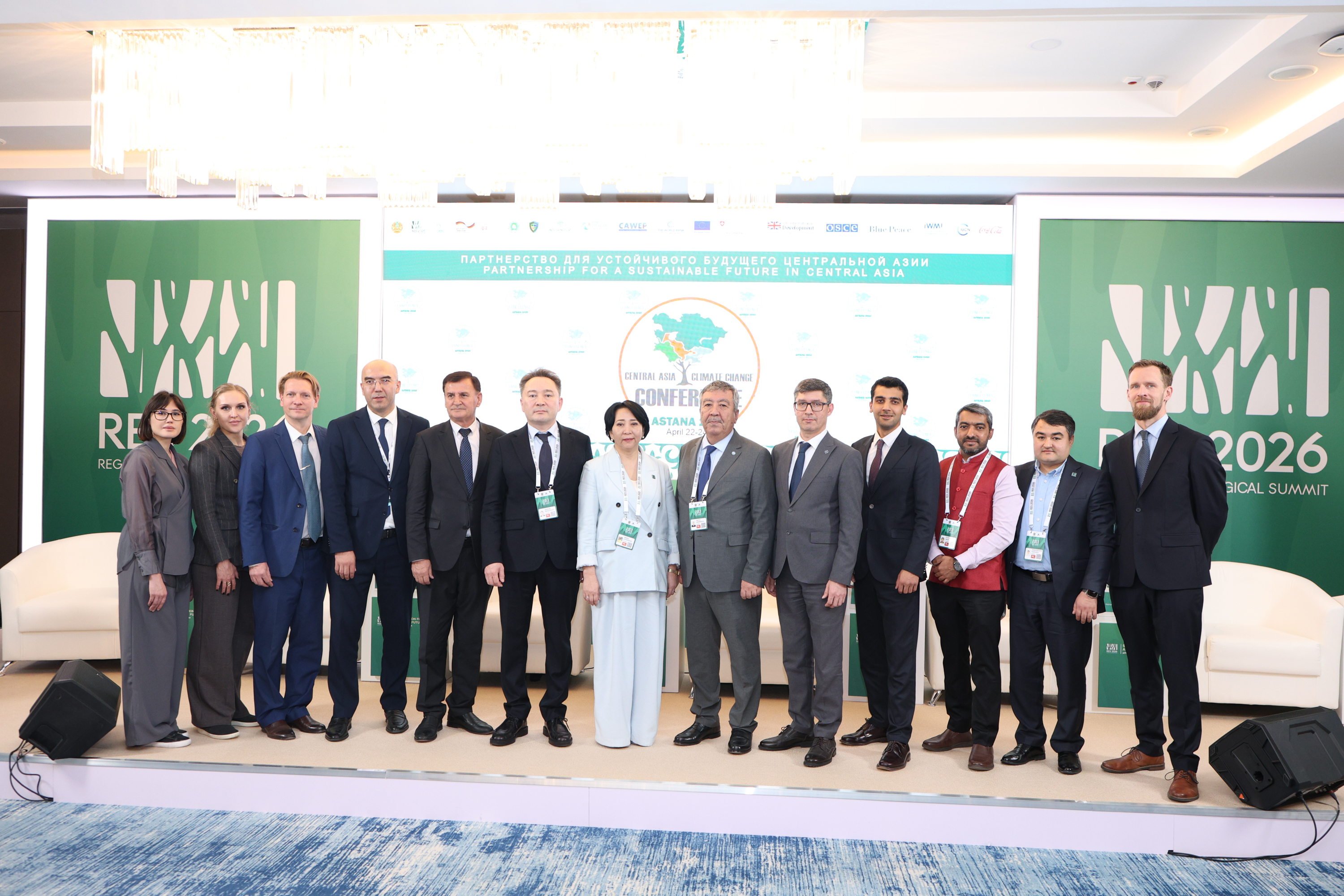
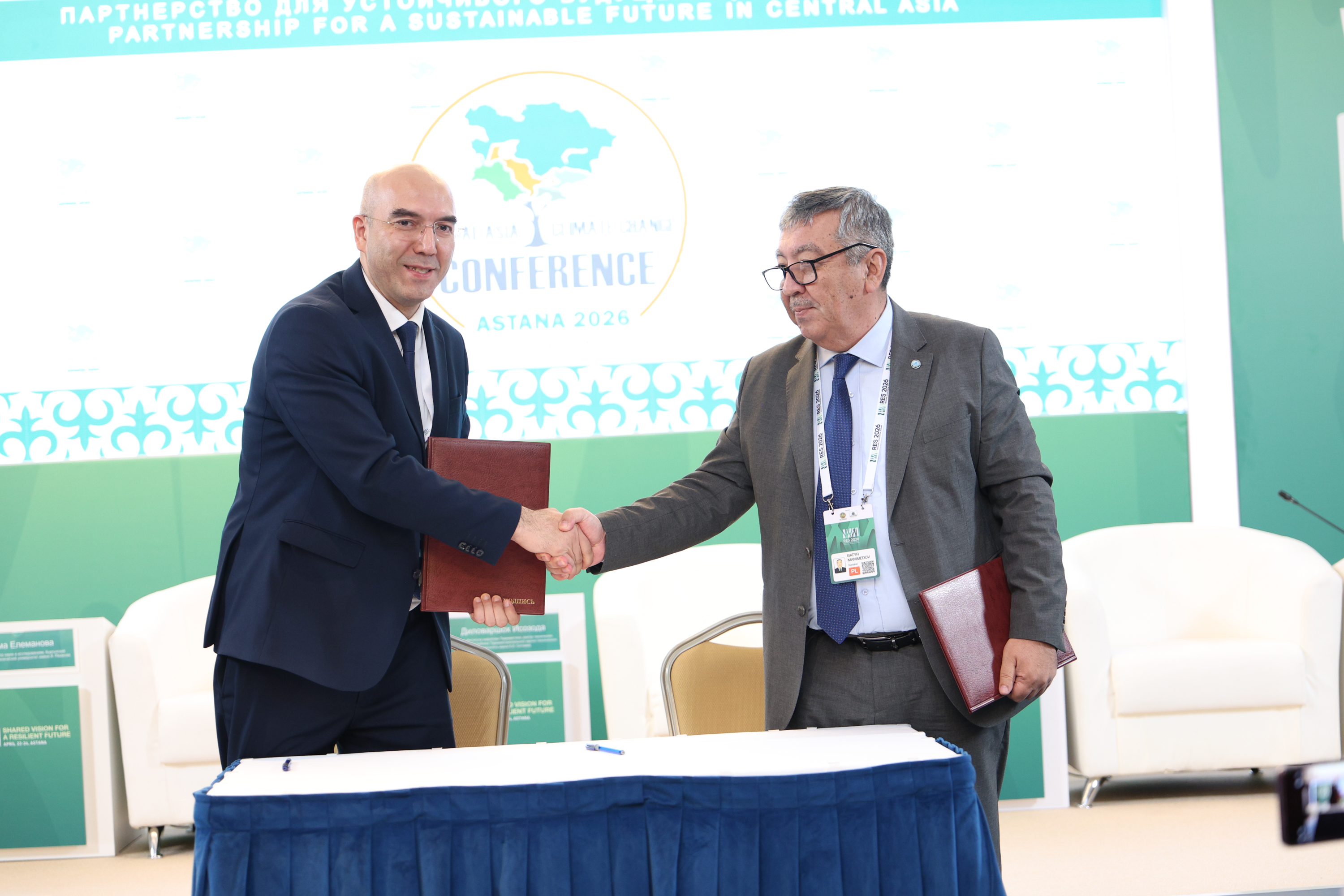
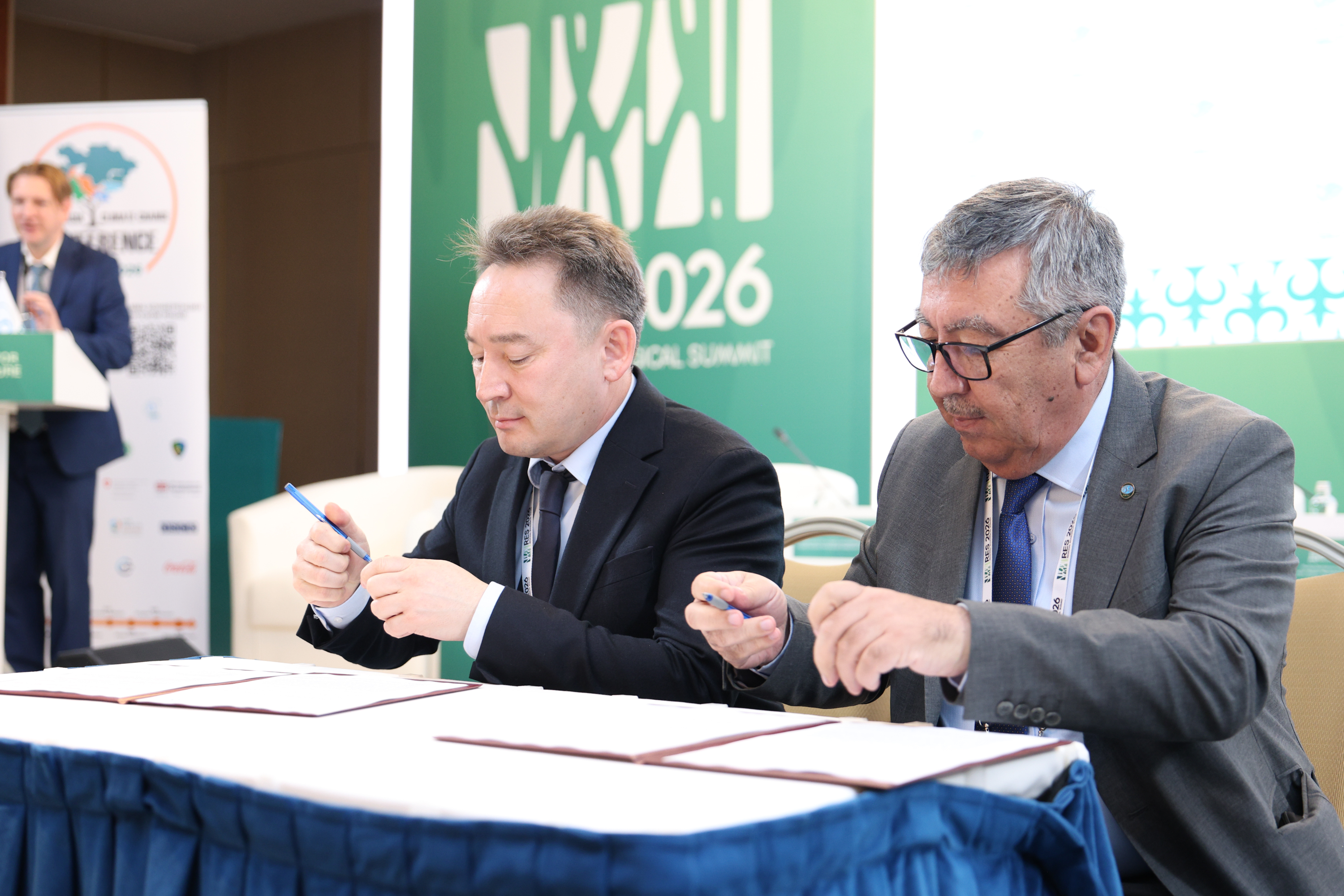
QAZAQ GREEN.A key outcome of the Central Asian Climate Change Conference (CACCC-2026) in Astana was the signing of a series of memoranda. Four of the region’s leading universities formally committed to building a unified “green” education system.
From intent to implementation: an institutional breakthrough
Against the backdrop of plans to commission 8 GW of renewable energy capacity across the region and create up to 100,000 jobs by 2050, the issue of workforce shortages has moved into the implementation phase. The memoranda signed between the Regional Environmental Centre for Central Asia (CAREC) and technical universities from Kazakhstan, Kyrgyzstan, Tajikistan, and Uzbekistan mark the start of large-scale regional integration.
“We have laid the foundation for companies and universities to speak the same language. This is a shift from discussion to concrete mechanisms for training specialists capable of building the energy systems of the future,” said CAREC Executive Director Batyr Mamedov.
Universities shaping the future workforce
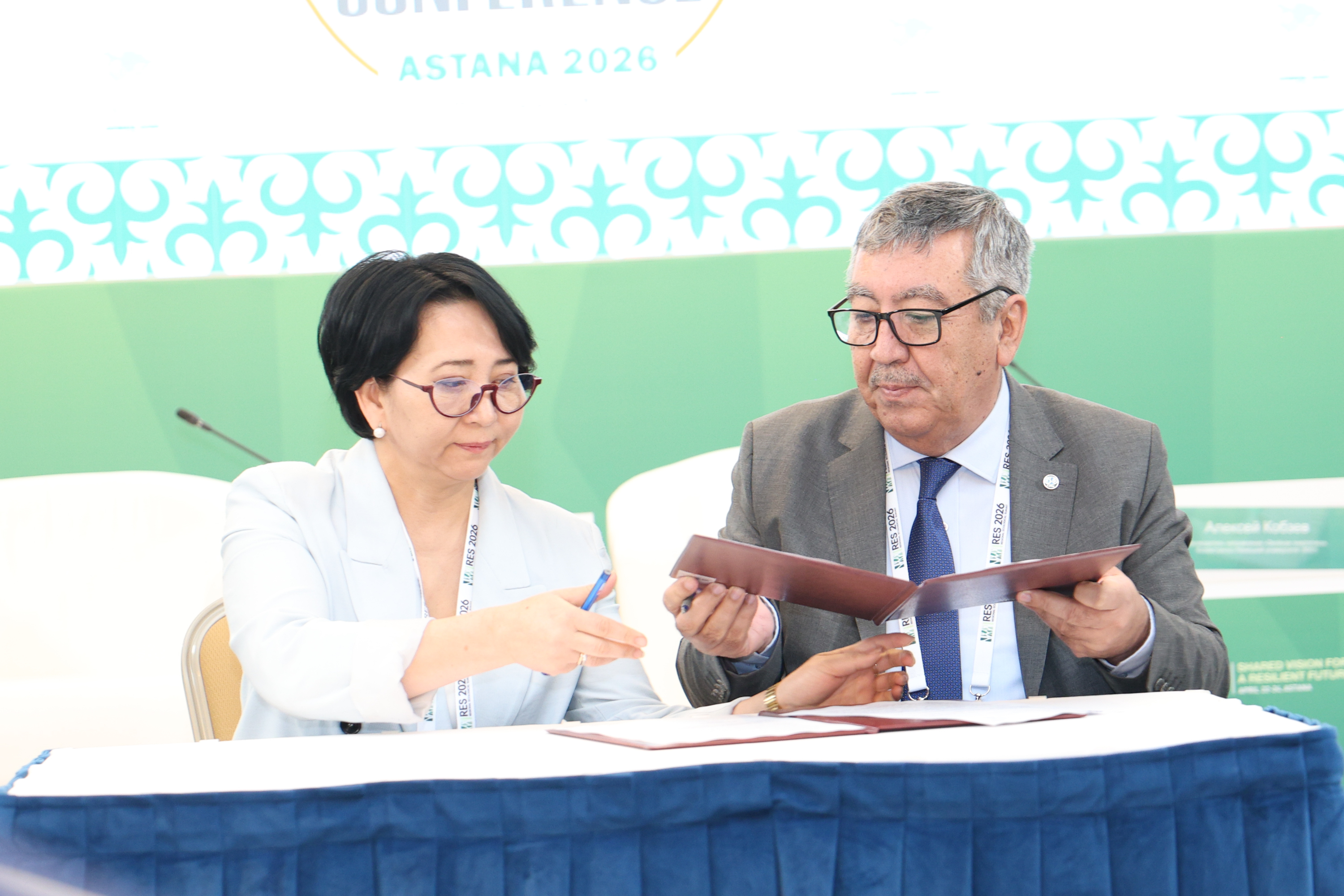
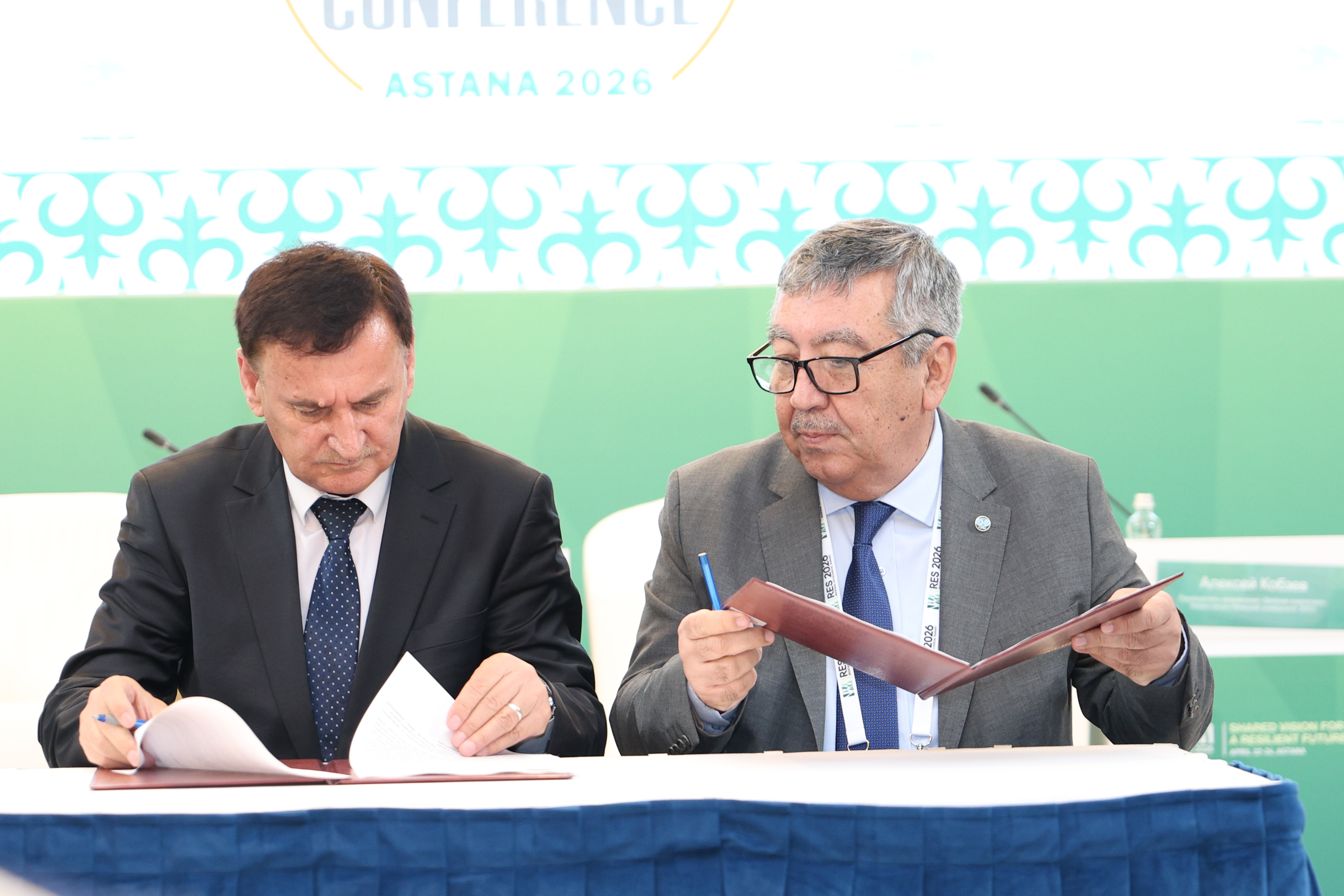
The memoranda formalize cooperation between CAREC, represented by Batyr Mamedov, and the following key institutions:
- Kazakhstan: Satbayev University — signed by Rector Meiram Begentayev. The university is already implementing a model that integrates students into real industrial processes during their studies.
- Kyrgyzstan: Kyrgyz State Technical University named after I. Razzakov — represented by Rimma Elemanova. The institution focuses on modernizing engineering programmes in line with climate challenges.
- Tajikistan: Tajik Technical University — signed by Dilovarshoh Tarik Isozoda. Cooperation will focus on training specialists for mountainous and cross-border energy systems.
- Uzbekistan: Green University — represented by Bakhtiyor Pulatov. The university will serve as a platform for introducing innovative and interdisciplinary approaches in environmental and sustainability education.
Key areas of cooperation
The signed agreements outline several priority areas to be implemented over the next 12–18 months:
- Regional course: Launch of the first joint course on integrating variable renewable energy into power systems, developed by professors from across the region.
- Programme alignment: Bringing academic curricula in line with real market needs in the energy sector.
- Academic mobility: Establishing regional research networks and shared laboratory infrastructure for students and researchers.
The session took place on April 23, 2026, as part of CACCC-2026. The session organized in joint collaboration of the OSCE-CAREC Initiative “Regional Task Force on Education for a Just and Inclusive Energy Transition (RTEET) in Central Asia” (part of the OSCE project “Promoting Women’s Economic Empowerment in the Energy Sector in Central Asia”), the Regional GIZ Project “Green Skills for a Green Economy in Central Asia (PROGRESS)”, and Regional EU-GIZ Programme “EU4SustainableCentralAsia: Renewable Energy in Central Asia (EURECA)”.
CAREC and Central Asian universities sign new memoranda on green skills development
100,000 jobs and a skills gap: how Central Asia is preparing for the renewables boom
No transition without transmission: How Central Asia is building its energy future
ADB to invest $5.5bn across 15 projects in Kazakhstan
17 agreements worth over $2.3 billion signed at the opening of RES 2026 EXPO in Astana
World Bank to invest $1bn in Central Asia's energy integration
Kazakhstan and China to launch a 500 MW wind farm in Karaganda region
Kazakhstan and Tajikistan move toward clean power deal over Rogun HPP
Regional Ecological Summit 2026 opens in Astana
Solar pumps and drip irrigation help Kyrgyz farmers cut costs amid rising energy prices
Hormuz closure failed to trigger coal comeback as solar and wind filled the gap
Astana set to launch RES 2026 EXPO and ink key international deals
Central Asian countries to discuss energy transition at RES 2026 in Astana
Moldova surpassed 1 GW of installed renewable energy capacity
China begins building US$1 billion hydropower station in Cambodia
Thousands protest in Germany urging faster green shift
Scientists from Russia and Uzbekistan improved the stability of green energy systems by 24%
Kazakh startup ranks in GCIP global top 3 in Vienna
Kazakhstan poultry farm produces 15 million kWh of energy from waste
China, Spain expand partnership in solar and wind power