

World News09.01.2024
Kenya joins consortium to develop battery systems for renewable energy


QAZAQ GREEN. Kenya is one of the nine African countries that will form a consortium to lead the world in developing battery storage solutions to tap more renewable energy, Business Daily Africa reports.
The countries will help develop innovative battery storage under the Battery Energy Storage Systems (BESS) Consortium as the world scales efforts to tap more of its vast wind and solar energy potential.
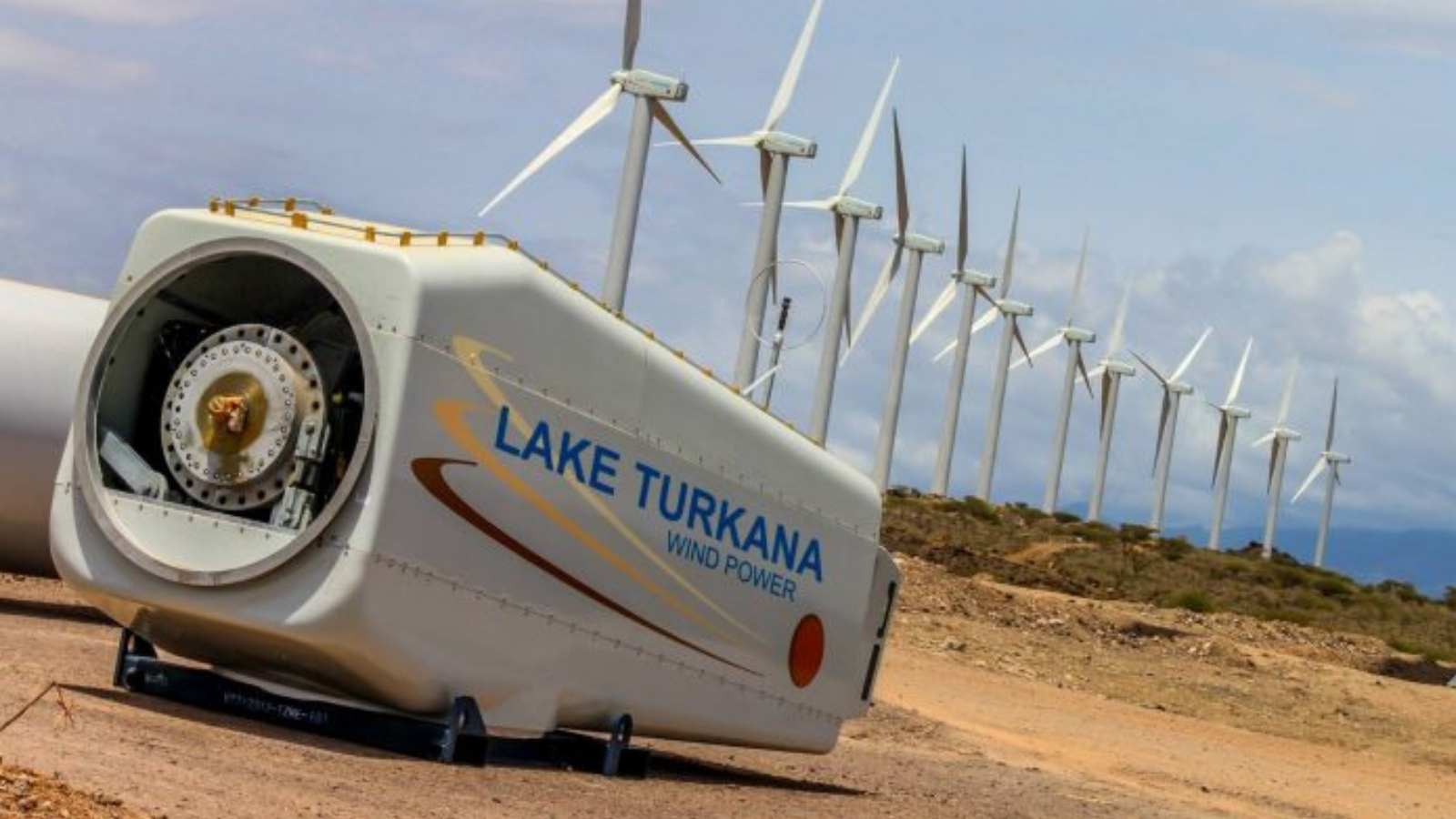
Kenya is home to the largest wind power firm in Africa, the 300-megawatt Lake Turkana Wind Power, and has also stepped up generation from solar sources, highlighting why it will play a leading role in the consortium.
Solar and wind energy sources are intermittent. Therefore, battery storage systems are critical in helping maximise the potential of renewable sources.
The World Bank, the African Development Bank (AfDB), the Asian Development Bank, the Inter-American Development Bank, the Agence Française de Développement, Africa50 and the Abu Dhabi-owned clean energy giant Masdar are funding the consortium.
“Joining the BESS Consortium, commits members to participate in efforts to reach energy storage commitments of five gigawatts (GW) through the end of 2024,” says AfDB of the deal signed last month.
“This will, in turn, provide a roadmap to ultimately achieving 400GW of renewable energy by 2030.”
The need for enhanced battery storage solutions has been amplified over the years as countries shift more to clean energy. Quality battery storage provides a solution to achieve flexibility, enhance grid reliability and power quality and scale up renewable energy, reducing the impact of adverse weather patterns.
The storage facilities will, for example, allow countries to maximise solar energy, even at night or wind power when the wind is not strong enough to turn the turbines and generate electricity, significantly reducing the chances of power outages linked to generation.
Besides the Lake Turkana wind farm, the State-owned KenGen is set to build a 200-megawatt wind plant.
CAREC and Central Asian universities sign new memoranda on green skills development
100,000 jobs and a skills gap: how Central Asia is preparing for the renewables boom
No transition without transmission: How Central Asia is building its energy future
ADB to invest $5.5bn across 15 projects in Kazakhstan
17 agreements worth over $2.3 billion signed at the opening of RES 2026 EXPO in Astana
World Bank to invest $1bn in Central Asia's energy integration
Kazakhstan and China to launch a 500 MW wind farm in Karaganda region
Kazakhstan and Tajikistan move toward clean power deal over Rogun HPP
Regional Ecological Summit 2026 opens in Astana
Solar pumps and drip irrigation help Kyrgyz farmers cut costs amid rising energy prices
Hormuz closure failed to trigger coal comeback as solar and wind filled the gap
Astana set to launch RES 2026 EXPO and ink key international deals
Central Asian countries to discuss energy transition at RES 2026 in Astana
Moldova surpassed 1 GW of installed renewable energy capacity
China begins building US$1 billion hydropower station in Cambodia
Thousands protest in Germany urging faster green shift
Scientists from Russia and Uzbekistan improved the stability of green energy systems by 24%
Kazakh startup ranks in GCIP global top 3 in Vienna
Kazakhstan poultry farm produces 15 million kWh of energy from waste
China, Spain expand partnership in solar and wind power