

World News22.05.2024
Share of coal power in Greece tumbles to zero


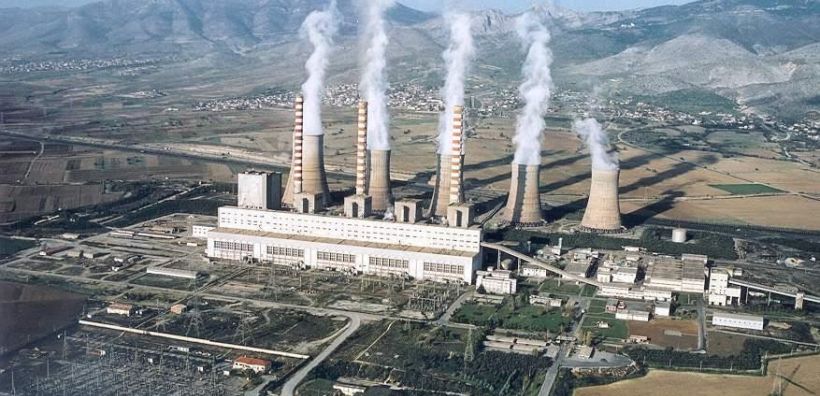
QAZAQ GREEN. Greece went seven days without coal power in the system, as natural gas plants and renewables were far more competitive and amid high emissions costs. Lignite had a mere 2% share in April, The Balkan Green Energy News reported citing Energypress .
Coal power is being squeezed out of the market in several countries in Southeastern Europe. Just a few years ago, governments were hesitating to set ambitious coal phaseout dates, concerned about the security of energy supply. The remaining lignite-fired thermal power plants in Greece have been de facto out of the market for seven days, as gas alternated with renewables in the lead.
The biggest factor is the recent jump in carbon dioxide allowances within the European Union’s Emissions Trading System. At EUR 70 per ton, lignite is largely unprofitable in electricity production. On sunny and windy days, especially on weekends and holidays, when demand is low, the price of imported renewable energy is much lower. Gas has lately been much more competitive than lignite as well.
Uncompetitiveness and the introduction of stricter environmental rules are also jeopardizing such facilities, especially in Bulgaria. As part of its energy market design reform, the European Union will allow member states to provide financial support to essential power plants through so-called capacity mechanisms. But it still translates to high and unpopular budget costs.
In Greece, coal had a mere 2% share in gross final consumption in April.
In addition, the Meliti and Megalopolis units are less available due to the poor quality of the lignite at hand, according to the Independent Power Transmission Operator (IPTO or Admie).
The share of gas plants projected for today was 43.1% against 36.1% for renewable electricity plants, the article adds. Imports accounted for 13.3% and hydropower plants covered 3.7%.
Gas-fired facilities ranged between 30.6% and 55.4% over the past seven days. Renewables had between 25.6% and 36.1%. Imports varied from 10.6% to 25.5% on a daily basis and hydroelectric units had a share of 3.7% to 4.7%.
Greece plans to phase out coal by 2028.
Regional Ecological Summit 2026 opens in Astana
Solar pumps and drip irrigation help Kyrgyz farmers cut costs amid rising energy prices
Hormuz closure failed to trigger coal comeback as solar and wind filled the gap
Astana set to launch RES 2026 EXPO and ink key international deals
Central Asian countries to discuss energy transition at RES 2026 in Astana
Moldova surpassed 1 GW of installed renewable energy capacity
China begins building US$1 billion hydropower station in Cambodia
Thousands protest in Germany urging faster green shift
Scientists from Russia and Uzbekistan improved the stability of green energy systems by 24%
Kazakh startup ranks in GCIP global top 3 in Vienna
Kazakhstan poultry farm produces 15 million kWh of energy from waste
China, Spain expand partnership in solar and wind power
Mongolia engages Hanwha Group in industrial and clean energy development
Russia to test horizontal and vertical wind power plants at new renewable energy test site in Adygeya
Brussels sets timeline: grid package by summer, electrification strategy to follow
RES 2026 to address workforce training for renewable energy scale-up
Algeria commissions 400 MW of solar capacity
Deadline approaching: KOREM invites bids for wind and solar power auctions
From crisis to security: IRENA lays out renewables roadmap for governments
Renewable energy generation in Kazakhstan rises 15% in Q1 2026