

World News31.05.2024
Rapid rollout of clean technologies makes energy cheaper, not more costly


QAZAQ GREEN. Speeding up the move to clean energy technologies improves the affordability of energy and can relieve pressures on the cost of living more broadly, according to a new IEA special report released 30 May.
The report, Strategies for Affordable and Fair Clean Energy Transitions, shows how putting the world on track to meet net zero emissions by 2050 requires additional investment but also reduces the operating costs of the global energy system by more than half over the next decade compared with a trajectory based on today’s policy settings. The net result is a more affordable and fairer energy system for consumers.
In many cases, clean energy technologies are already more cost competitive over their lifespans than those reliant on conventional fuels like coal, natural gas and oil. Solar PV and wind are the cheapest options for new generation. Even when electric vehicles, including two-and three-wheelers, have higher upfront costs, which is not always the case, they typically result in savings due to lower operating expenses. Energy efficient appliances such as air conditioners provide similar cost benefits over their lifetimes.
However, realising the gains of clean energy transitions hinges on unlocking higher levels of upfront investment. This is especially the case in emerging and developing economies where clean energy investments are lagging due to real or perceived risks that hinder new projects and access to finance.
Moreover, distortions in the present global energy system in the form of fossil fuel subsidies favour incumbent fuels, making investments in clean energy transitions more challenging. Governments worldwide collectively spent around $620 billion in 2023 subsidising the use of fossil fuels – far more than the $70 billion that was spent on support for consumer-facing clean energy investments, according to the IEA report.
The benefits of a faster energy transition and growing shares of renewables – such as solar and wind, which have lower operating costs than fossil fuel alternatives – would filter down to consumers. Retail electricity prices are typically less volatile than oil product prices, providing more predictable costs. Yet, around half of total consumer energy expenditure today is on oil products, and another third on electricity. In rapid transitions, electricity prices become the main benchmark for consumers and households. Oil products are largely replaced by electricity as EVs, heat pumps and electric motors take a larger share of transport, buildings and industry demand. By 2035, electricity overtakes oil as the leading fuel source in final consumption.
“The data makes it clear that the quicker you move on clean energy transitions, the more cost effective it is for governments, businesses and households,” said IEA Executive Director Fatih Birol. “If policy makers and industry leaders put off action and spending today, we will all end up paying more tomorrow. The first-of-a-kind global analysis in our new report shows that the way to make energy more affordable for more people is to speed up transitions, not slow them down. But much more needs to be done to help poorer households, communities and countries to get a foothold in the new clean energy economy.”
In 2022, during the global energy crisis, consumers globally spent nearly $10 trillion on energy – an average of more than $1,200 for every person on earth – even after subsidies and emergency support from governments are priced in. This is 20% more than the average over the previous five years, with high prices hitting the most vulnerable hardest, both in developing and advanced economies.
The report finds that incentives and greater support, particularly targeted at poorer households, can improve the uptake of clean energy technologies. This would allow all consumers, especially those who are less well-off, to fully reap the benefits of these technologies and the cost savings, while also supporting efforts to reach international energy and climate goals.
The report sets out a series of measures, drawing on proven policies from countries around the world, that governments can deploy to make clean technologies more accessible to all people. These include delivering energy efficiency retrofit programmes to low-income households; obliging utilities to fund more efficient heating and cooling packages; making highly efficient appliances more readily available; providing affordable clean transport options, including more support for public transport and second-hand EV markets; replacing fossil fuel subsidies with targeted cash transfers for the most vulnerable; and using carbon price revenues to tackle potential social inequities that may arise during energy transitions.
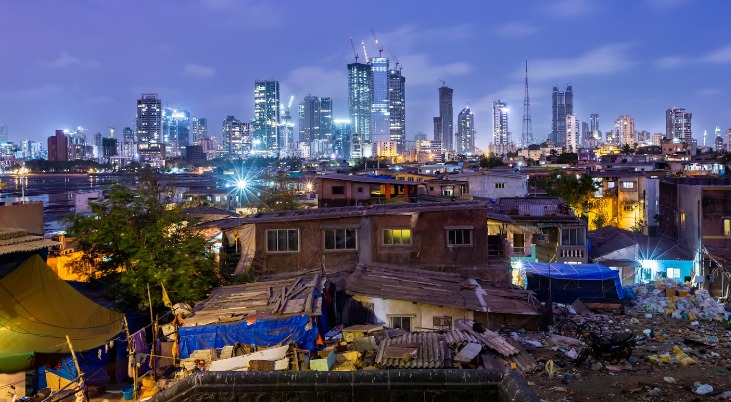
Policy intervention will be crucial to address the stark inequalities that already exist in the current energy system, where affordable and sustainable energy technologies are out of reach for many people. The most fundamental inequities are faced by the almost 750 million people in emerging and developing economies who lack access to electricity, and the more than 2 billion people without clean cooking technologies and fuels. At the same time, the poorest 10% of households in advanced economies spend up to a quarter of their disposable income on energy for their home and transport, even though they consume less than half as much energy as the richest 10%.
The report warns that the risk of price shocks does not disappear in clean energy transitions and that governments must continue to show vigilance on new risks that could affect energy security and affordability. Geopolitical tensions and upheavals remain significant potential drivers of volatility, both in traditional fuels and, more indirectly, in clean energy supply chains. The shift to a more electrified energy system also brings a new set of hazards into play that are more local and regional, especially if investments in grids, flexibility and demand response fall behind. Power systems are vulnerable to an increase in extreme weather events and cyberattacks, making adequate investments in resilience and digital security crucial.
v
Solar pumps and drip irrigation help Kyrgyz farmers cut costs amid rising energy prices
Hormuz closure failed to trigger coal comeback as solar and wind filled the gap
Astana set to launch RES 2026 EXPO and ink key international deals
Central Asian countries to discuss energy transition at RES 2026 in Astana
Moldova surpassed 1 GW of installed renewable energy capacity
China begins building US$1 billion hydropower station in Cambodia
Thousands protest in Germany urging faster green shift
Scientists from Russia and Uzbekistan improved the stability of green energy systems by 24%
Kazakh startup ranks in GCIP global top 3 in Vienna
Kazakhstan poultry farm produces 15 million kWh of energy from waste
China, Spain expand partnership in solar and wind power
Mongolia engages Hanwha Group in industrial and clean energy development
Russia to test horizontal and vertical wind power plants at new renewable energy test site in Adygeya
Brussels sets timeline: grid package by summer, electrification strategy to follow
RES 2026 to address workforce training for renewable energy scale-up
Algeria commissions 400 MW of solar capacity
Deadline approaching: KOREM invites bids for wind and solar power auctions
From crisis to security: IRENA lays out renewables roadmap for governments
Renewable energy generation in Kazakhstan rises 15% in Q1 2026
Kazakhstan climbs the Climatescope rankings