

World News23.08.2024
Serbia moves to lift 35-year ban on nuclear power plants


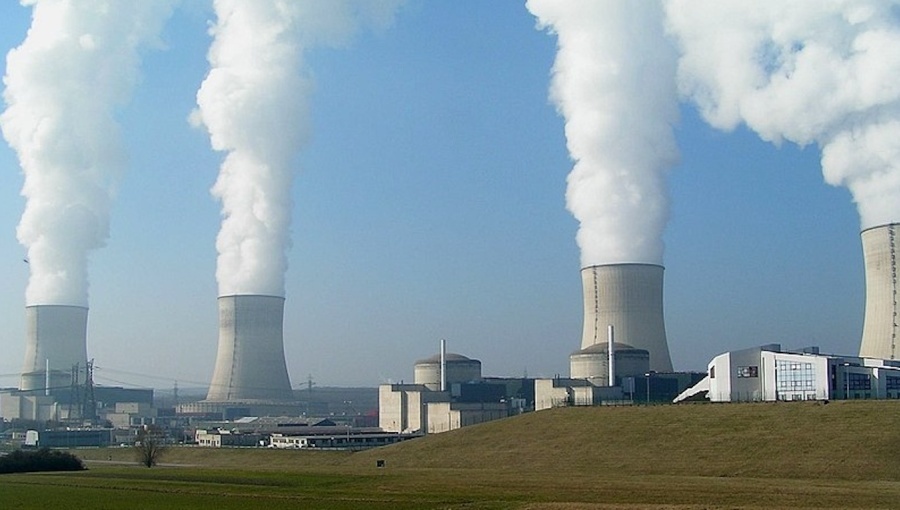
QAZAQ GREEN. Serbia is poised to overturn a 35-year-old ban on the construction of nuclear power plants, marking a significant shift in the nation’s energy policy, reports bne IntellinNews.
The government is considering nuclear energy as a viable option to reduce carbon emissions and bolster energy independence. The move comes as the country faces rising energy demands driven by the accelerated electrification of the economy and an increase in renewable energy sources.
The discussion about the peaceful use of nuclear energy began in April, when the government signed a memorandum of understanding with France's EDF, a global leader in electricity production, to collaborate on the development of a nuclear energy program.
In June, Dubravka Dedovic Handanovic, Serbia’s minister of mining and energy, confirmed that the government was laying the groundwork for a nuclear energy programme. Handanovic emphasised the importance of diversifying Serbia’s energy portfolio to ensure a stable supply.
This week, the government initiated a public debate on proposed amendments to the country’s energy laws, which include the addition of a new chapter dedicated to nuclear energy.
The proposed amendments outline a three-phase programme for the peaceful application of nuclear technology, starting with an assessment of the feasibility of nuclear energy, followed by the development of a nuclear programme, and concluding with its implementation.
The amendments also include strategies for the development and use of thermal energy and hydrogen, reflecting a broader government effort to diversify Serbia’s energy sources.
If these amendments are approved, they will repeal the longstanding Law on the Prohibition of the Construction of Nuclear Power Plants in the Federal Republic of Yugoslavia, a law that has been in place since the 1980s.
Solar pumps and drip irrigation help Kyrgyz farmers cut costs amid rising energy prices
Hormuz closure failed to trigger coal comeback as solar and wind filled the gap
Astana set to launch RES 2026 EXPO and ink key international deals
Central Asian countries to discuss energy transition at RES 2026 in Astana
Moldova surpassed 1 GW of installed renewable energy capacity
China begins building US$1 billion hydropower station in Cambodia
Thousands protest in Germany urging faster green shift
Scientists from Russia and Uzbekistan improved the stability of green energy systems by 24%
Kazakh startup ranks in GCIP global top 3 in Vienna
Kazakhstan poultry farm produces 15 million kWh of energy from waste
China, Spain expand partnership in solar and wind power
Mongolia engages Hanwha Group in industrial and clean energy development
Russia to test horizontal and vertical wind power plants at new renewable energy test site in Adygeya
Brussels sets timeline: grid package by summer, electrification strategy to follow
RES 2026 to address workforce training for renewable energy scale-up
Algeria commissions 400 MW of solar capacity
Deadline approaching: KOREM invites bids for wind and solar power auctions
From crisis to security: IRENA lays out renewables roadmap for governments
Renewable energy generation in Kazakhstan rises 15% in Q1 2026
Kazakhstan climbs the Climatescope rankings