

World News23.09.2024
Japan can raise renewable energy share to 80% by 2035: study


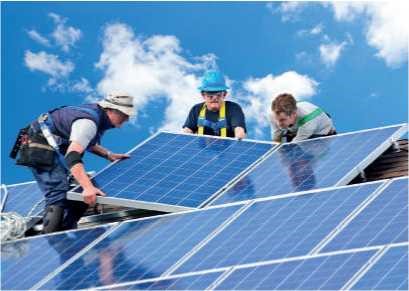
QAZAQ GREEN. Japan could boost the share of renewable energy in its electricity production to 80 percent by fiscal 2035 by expanding the use of storage batteries and enhancing regional power grid cooperation, a Japanese think tank said in a recent study, Japan Today reported.
Japan could achieve a sharp increase in the share of renewables in its power generation from the 22 percent attained in fiscal 2022, all while working to entirely phase out nuclear and coal power, the Renewable Energy Institute said.
The proposed energy transition is feasible without a significant increase in electricity bills or cuts in industrial activities, the study noted. It assumes that Japan's power consumption will remain stable despite the growth of industries such as semiconductor production and data center operations due to anticipated improvements in power usage efficiency.
The think tank made the analysis as the Japanese government is drawing up a new energy mix plan next year that will likely include higher dependence on nuclear power to cope with an increase in energy demand.
The institute calls for a hike in the capacity to generate power using renewable energy to about 500 million kilowatts from 150 million kilowatts in fiscal 2022. Infrastructure connecting regional power grids needs to be strengthened in regions between the Tokyo area and Hokkaido, it said.
The country's storage battery capacity should also be brought up to 72 million kilowatts from the current 1.8 million kilowatts to store electricity from solar power generation, it said.
The remaining 20 percent of energy demand could be met by power generation using natural gas, which emits less greenhouse gases than other fossil fuels when burned, the think tank said.
The proposed energy transition aims to reduce Japan's carbon dioxide emissions by 65 percent from 2019 levels, a target identified by a U.N. panel as necessary for each country to limit global temperature increases to 1.5 C above preindustrial levels.
The Tokyo-based organization was established in 2011 by Masayoshi Son, CEO of SoftBank Group Corp, shortly after a massive earthquake devastated northeastern Japan and caused meltdowns at the Fukushima Daiichi nuclear power plant.
CAREC and Central Asian universities sign new memoranda on green skills development
100,000 jobs and a skills gap: how Central Asia is preparing for the renewables boom
No transition without transmission: How Central Asia is building its energy future
ADB to invest $5.5bn across 15 projects in Kazakhstan
17 agreements worth over $2.3 billion signed at the opening of RES 2026 EXPO in Astana
World Bank to invest $1bn in Central Asia's energy integration
Kazakhstan and China to launch a 500 MW wind farm in Karaganda region
Kazakhstan and Tajikistan move toward clean power deal over Rogun HPP
Regional Ecological Summit 2026 opens in Astana
Solar pumps and drip irrigation help Kyrgyz farmers cut costs amid rising energy prices
Hormuz closure failed to trigger coal comeback as solar and wind filled the gap
Astana set to launch RES 2026 EXPO and ink key international deals
Central Asian countries to discuss energy transition at RES 2026 in Astana
Moldova surpassed 1 GW of installed renewable energy capacity
China begins building US$1 billion hydropower station in Cambodia
Thousands protest in Germany urging faster green shift
Scientists from Russia and Uzbekistan improved the stability of green energy systems by 24%
Kazakh startup ranks in GCIP global top 3 in Vienna
Kazakhstan poultry farm produces 15 million kWh of energy from waste
China, Spain expand partnership in solar and wind power