

World News14.08.2025
China develops location model for synchronous compensators for renewable energy sources


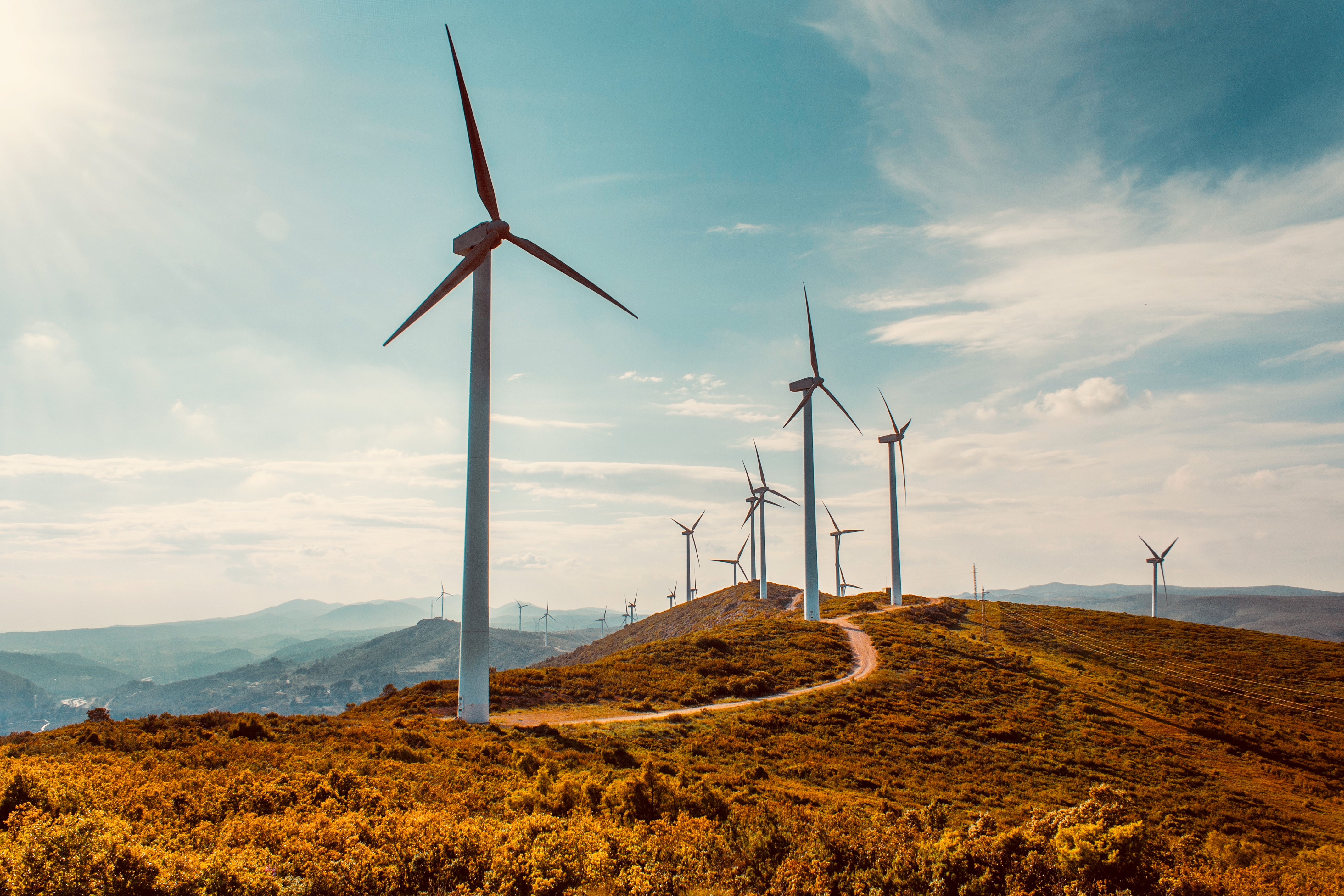
QAZAQ GREEN. Researchers from Tianjin University and the Institute of Electrical Research of the Northeast China Grid have developed a model for the optimal location of synchronous compensators in large renewable energy generation zones. The model makes it possible to increase energy transmission, maintain grid stability and avoid unnecessary costs, according to Global Energy Prize.
Today, large solar and wind power complexes connected to ultra-high voltage lines often operate in soft power grids, which have a large number of converters instead of conventional generators. This reduces inertia and the ability to produce a short-circuit current. In case of an accident, strong voltage and frequency fluctuations occur in addition to short-term overvoltage, which is why limits on power generation are imposed, with losses reaching 20% or more.
Synchronous compensators offer the most effective solution to this problem. Although they look like ordinary generators, they do not produce electricity, instead adding inertia to the grid and providing instant reactive support, as well as increasing the short-circuit current. However, this equipment is expensive, large and takes time to install, which is why it is important to determine exactly how many devices are needed, how high capacity has to be and at what points they must be located.
The model developed by the Chinese scientists takes into account capital investments, operating costs, repairs and technical limitations, as well as the possibility of installation at different voltage levels, from collector substations to individual stations. It checks compliance with the standards for the short-circuit coefficient and permissible overvoltages; in order to speed up calculations, it first evaluates how the installation of compensators will affect grid parameters, after which the final options are checked in detailed models.
The model was tested on a real power base consisting of 15 stations and two collector substations with an installed capacity of about 3 GW. Before the introduction of compensators, the simultaneous output coefficient was 0.368, annual output totaled about 4.6 TWh, and losses from power generation limits reached 21%. The scientists reviewed three scenarios: installation of equipment only at high-voltage nodes (110–500 kV), only at low-voltage nodes (10–35 kV), and a combined option. The last approach showed the best economic results: it was cheaper in terms of total costs, demonstrating standard stability indicators at all nodes and keeping overvoltages within acceptable limits.
As a result, the coefficient of simultaneous output rose to 0.72, with annual output increasing by 1.1 TWh, losses dropping to 2%, and additional revenue totaling about $76 million per year. According to the researchers’ calculations, the payback period of the project stands at about four years, taking maintenance into account.
In the future, they suggest supplementing the model with seasonal modes, optimising it with other devices and using artificial intelligence to automatically select installation points.
Regional Ecological Summit 2026 opens in Astana
Solar pumps and drip irrigation help Kyrgyz farmers cut costs amid rising energy prices
Hormuz closure failed to trigger coal comeback as solar and wind filled the gap
Astana set to launch RES 2026 EXPO and ink key international deals
Central Asian countries to discuss energy transition at RES 2026 in Astana
Moldova surpassed 1 GW of installed renewable energy capacity
China begins building US$1 billion hydropower station in Cambodia
Thousands protest in Germany urging faster green shift
Scientists from Russia and Uzbekistan improved the stability of green energy systems by 24%
Kazakh startup ranks in GCIP global top 3 in Vienna
Kazakhstan poultry farm produces 15 million kWh of energy from waste
China, Spain expand partnership in solar and wind power
Mongolia engages Hanwha Group in industrial and clean energy development
Russia to test horizontal and vertical wind power plants at new renewable energy test site in Adygeya
Brussels sets timeline: grid package by summer, electrification strategy to follow
RES 2026 to address workforce training for renewable energy scale-up
Algeria commissions 400 MW of solar capacity
Deadline approaching: KOREM invites bids for wind and solar power auctions
From crisis to security: IRENA lays out renewables roadmap for governments
Renewable energy generation in Kazakhstan rises 15% in Q1 2026