

World News05.01.2026
Flint launches production of cellulose-based paper batteries in Singapore


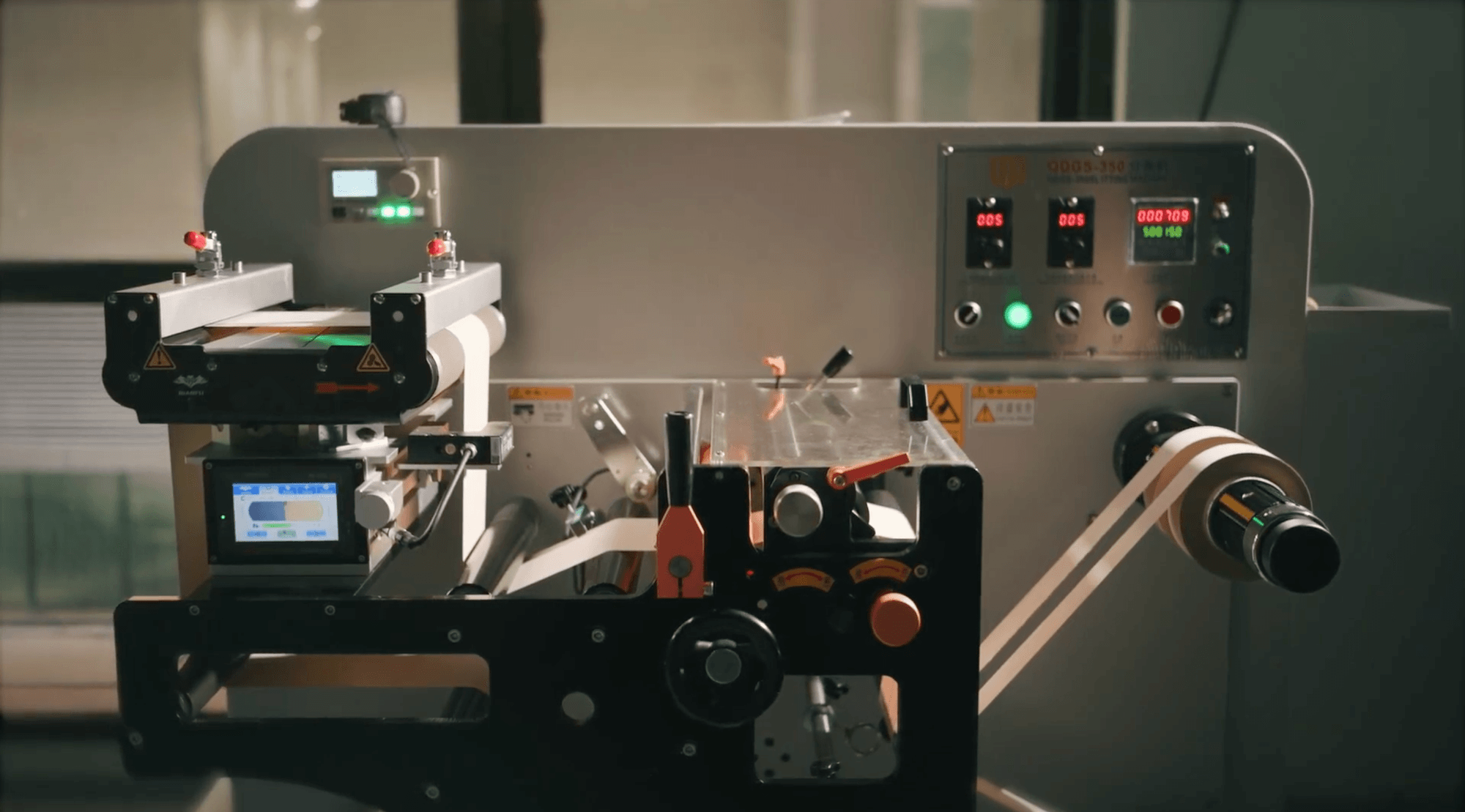
QAZAQ GREEN. Singapore-based deep tech company Flint has launched industrial production of its paper battery technology, marking the transition from laboratory development to manufactured battery cells ready for pilot projects and early commercial use.
Production has begun at Flint’s facility in Singapore, where the company is now supplying rechargeable, non-toxic, non-flammable and non-explosive battery cells for customer pilots and initial integrations. Flint plans to introduce two battery products to the market, with full specifications and live demonstrations scheduled for CES 2026.
Flint’s manufacturing line is built around its proprietary cellulose-based battery architecture and relies on water-based production processes designed for safety and scalability. The approach reduces dependence on conventional battery materials such as lithium, nickel, cobalt and lead, while lowering the carbon footprint of manufacturing and improving end-of-life handling.
To support scaling, the company has expanded into a new facility of more than 8,000 square feet, which will serve as a base for pilot manufacturing, process optimization and further research and development of next-generation battery technologies.
The move into production follows a year of strong momentum for Flint. In early 2025, its paper battery technology received the Best of CES Sustainability Award at CES 2025, significantly increasing global visibility. Throughout the year, the company was selected for multiple innovation programs and launched pilot projects with major international technology firms, including Logitech, Amazon Devices and Dassault Systèmes.
In 2025, Flint also raised USD 2 million in a pre-Series A round, partly structured as debt, from a group of angel investors, including the company’s co-founders.
Looking ahead, Flint plans to officially unveil its first two commercial paper battery products at CES 2026. The company is also preparing for further scale-up beyond 2026 and is in discussions with a major global contract manufacturer to expand production capacity in Europe and diversify its supply chain. In parallel, Flint continues research into a solid-state version of its cellulose-based battery, targeting higher energy density applications traditionally served by lead-acid and other legacy battery technologies.
Solar pumps and drip irrigation help Kyrgyz farmers cut costs amid rising energy prices
Hormuz closure failed to trigger coal comeback as solar and wind filled the gap
Astana set to launch RES 2026 EXPO and ink key international deals
Central Asian countries to discuss energy transition at RES 2026 in Astana
Moldova surpassed 1 GW of installed renewable energy capacity
China begins building US$1 billion hydropower station in Cambodia
Thousands protest in Germany urging faster green shift
Scientists from Russia and Uzbekistan improved the stability of green energy systems by 24%
Kazakh startup ranks in GCIP global top 3 in Vienna
Kazakhstan poultry farm produces 15 million kWh of energy from waste
China, Spain expand partnership in solar and wind power
Mongolia engages Hanwha Group in industrial and clean energy development
Russia to test horizontal and vertical wind power plants at new renewable energy test site in Adygeya
Brussels sets timeline: grid package by summer, electrification strategy to follow
RES 2026 to address workforce training for renewable energy scale-up
Algeria commissions 400 MW of solar capacity
Deadline approaching: KOREM invites bids for wind and solar power auctions
From crisis to security: IRENA lays out renewables roadmap for governments
Renewable energy generation in Kazakhstan rises 15% in Q1 2026
Kazakhstan climbs the Climatescope rankings