

News Kazakhstan25.06.2025
How green hydrogen could transform Kazakhstan’s energy sector


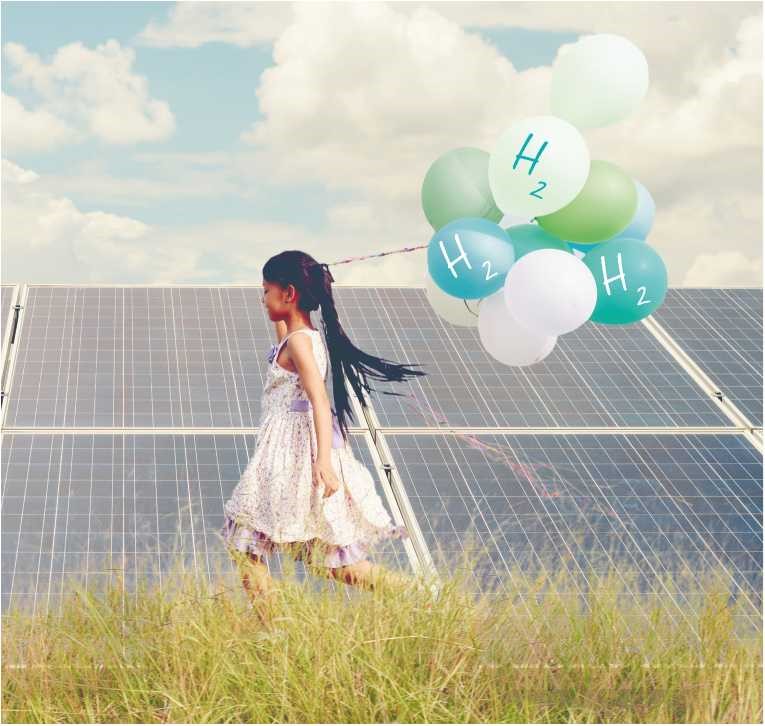
QAZAQ GREEN. Green hydrogen — produced through the electrolysis of water using renewable energy — is emerging as a key component in the global strategy for decarbonisation. Unlike grey or blue hydrogen, its production generates no carbon emissions.
Hydrogen can be used in fuel cells, industry, transport, and power generation as a low-carbon alternative to fossil fuels. However, the technology remains costly due to the high price of electrolysers and the underdeveloped infrastructure for storage and transport. Still, analysts expect that with greater investment and scale, costs will fall significantly in the coming years.
The production, storage, and distribution of hydrogen are subject to strict safety standards and are considered technologically mature. Today’s systems enable the safe use of hydrogen in both industrial and domestic settings.
According to Kazakhstan’s Ministry of Energy, the development of hydrogen technologies represents a strategic opportunity to diversify the national economy, achieve carbon neutrality by 2060, and integrate into global clean energy supply chains. The country is already involved in international initiatives, including hydrogen and ammonia export projects to Europe — such as Hyrasia One and the German-Kazakh Hydrogen Dialogue.
While green hydrogen will not replace all energy sources, it can play a vital role in decarbonising heavy industry, long-distance freight transport, and in storing surplus energy from renewables. The International Energy Agency estimates that by 2050, hydrogen could account for 10–15% of global energy demand — and up to 25% in sectors such as steelmaking and heavy transport.
Hydrogen development does not exclude nuclear energy — in fact, the two are complementary. Nuclear power provides consistent baseload electricity, while green hydrogen enables flexible storage, clean fuel options, and new export opportunities in a low-carbon economy.
Just transition: leaving no one behind in the energy transformation
CAREC and Central Asian universities sign new memoranda on green skills development
100,000 jobs and a skills gap: how Central Asia is preparing for the renewables boom
No transition without transmission: How Central Asia is building its energy future
ADB to invest $5.5bn across 15 projects in Kazakhstan
17 agreements worth over $2.3 billion signed at the opening of RES 2026 EXPO in Astana
World Bank to invest $1bn in Central Asia's energy integration
Kazakhstan and China to launch a 500 MW wind farm in Karaganda region
Kazakhstan and Tajikistan move toward clean power deal over Rogun HPP
Regional Ecological Summit 2026 opens in Astana
Solar pumps and drip irrigation help Kyrgyz farmers cut costs amid rising energy prices
Hormuz closure failed to trigger coal comeback as solar and wind filled the gap
Astana set to launch RES 2026 EXPO and ink key international deals
Central Asian countries to discuss energy transition at RES 2026 in Astana
Moldova surpassed 1 GW of installed renewable energy capacity
China begins building US$1 billion hydropower station in Cambodia
Thousands protest in Germany urging faster green shift
Scientists from Russia and Uzbekistan improved the stability of green energy systems by 24%
Kazakh startup ranks in GCIP global top 3 in Vienna
Kazakhstan poultry farm produces 15 million kWh of energy from waste