

News of the CIS countries04.01.2026
Scientists propose using excess heat from solar panels to purify and heat water


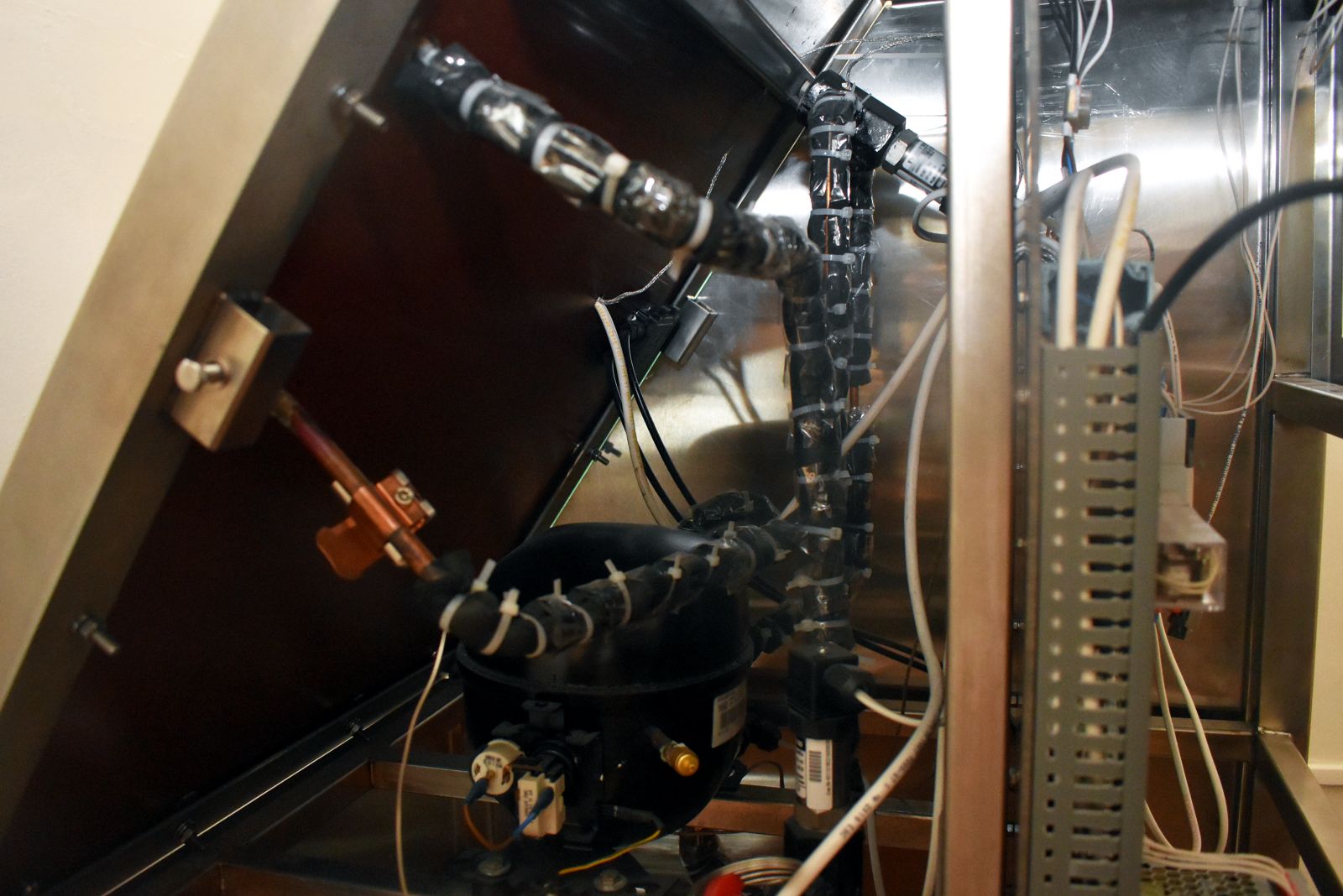
QAZAQ GREEN. Scientists at South Ural State University in Russia have developed a technology that enables excess heat generated by solar panels to be reused for heating water during purification and desalination processes. The team has created what they describe as the world’s first software tool for calculating the temperature of the sun-exposed rear surface of a photovoltaic panel and has patented a solar-powered water treatment device, the university reported.
The project was carried out with support from the Russian Science Foundation. In the proposed system, a photovoltaic panel functions not only as a source of electricity but also as part of a water-heating mechanism. Under normal operating conditions, the heat produced by solar panels is released into the atmosphere without being used.
To capture this energy, researchers installed a coil containing a heat-transfer fluid on the rear side of the panel. Water circulating through the coil is heated using the panel’s waste heat. A temperature of around 30°C is sufficient for the distillation process, making the system suitable for desalinating seawater and treating mineral groundwater.
Temperature control is handled by a dedicated computer program that calculates the temperature of the panel’s insolated surface. The software is written in Python and is designed for practical use without specialized technical training. All key parameters are built into the system, measurements are collected automatically, and real-time water temperature readings are displayed on screen.
The developers say the main innovation lies in the practical use of waste heat, which is typically ignored in conventional solar energy systems. In this configuration, a photovoltaic panel effectively serves as both an electricity generator and a water heater.
The technology could be applied at chemical water treatment facilities, as well as at renewable and hybrid energy plants. It offers a way to improve the overall efficiency of solar panels, maintain precise control over water temperature, and reuse heated coolant for industrial applications.
Ember: Renewables overtake coal in global power generation for the first time
Kazakhstan continues accepting applications for May RES auctions
Water-energy balance of the region discussed by ministers of four Central Asian countries
Just transition: leaving no one behind in the energy transformation
CAREC and Central Asian universities sign new memoranda on green skills development
Kazakhstan and UNECE discuss energy resilience and low-carbon technologies
100,000 jobs and a skills gap: how Central Asia is preparing for the renewables boom
No transition without transmission: How Central Asia is building its energy future
ADB to invest $5.5bn across 15 projects in Kazakhstan
17 agreements worth over $2.3 billion signed at the opening of RES 2026 EXPO in Astana
World Bank to invest $1bn in Central Asia's energy integration
Kazakhstan and China to launch a 500 MW wind farm in Karaganda region
Kazakhstan and Tajikistan move toward clean power deal over Rogun HPP
Regional Ecological Summit 2026 opens in Astana
Solar pumps and drip irrigation help Kyrgyz farmers cut costs amid rising energy prices
Hormuz closure failed to trigger coal comeback as solar and wind filled the gap
Astana set to launch RES 2026 EXPO and ink key international deals
Central Asian countries to discuss energy transition at RES 2026 in Astana
Moldova surpassed 1 GW of installed renewable energy capacity
China begins building US$1 billion hydropower station in Cambodia