

News Kazakhstan30.04.2026
Kazakhstan and World Bank discuss energy integration in Central Asia


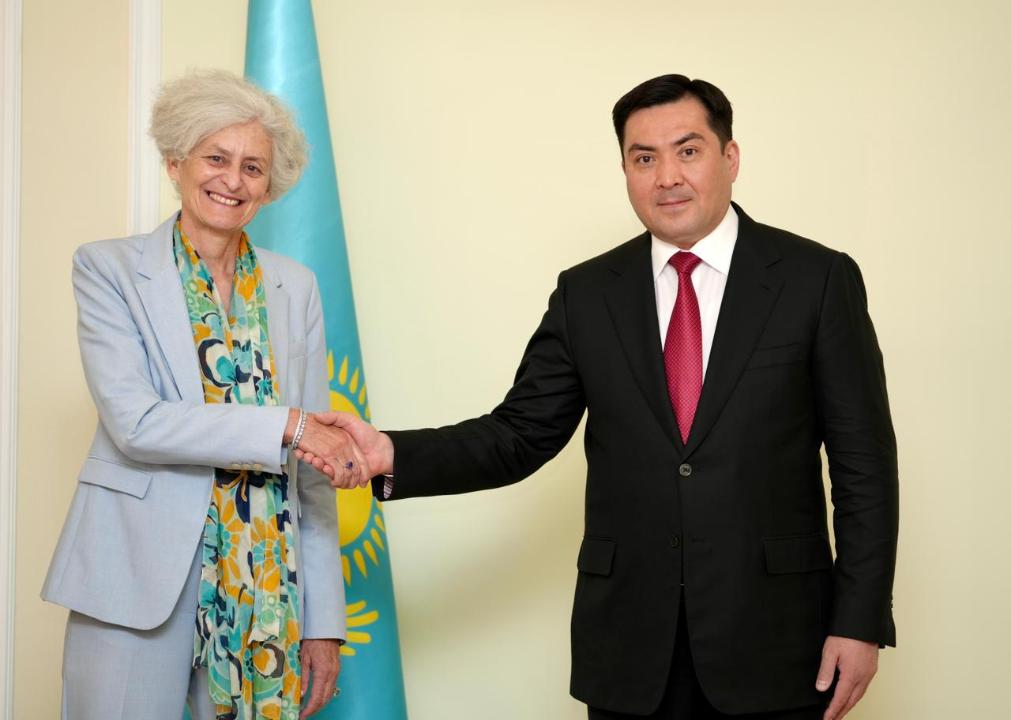
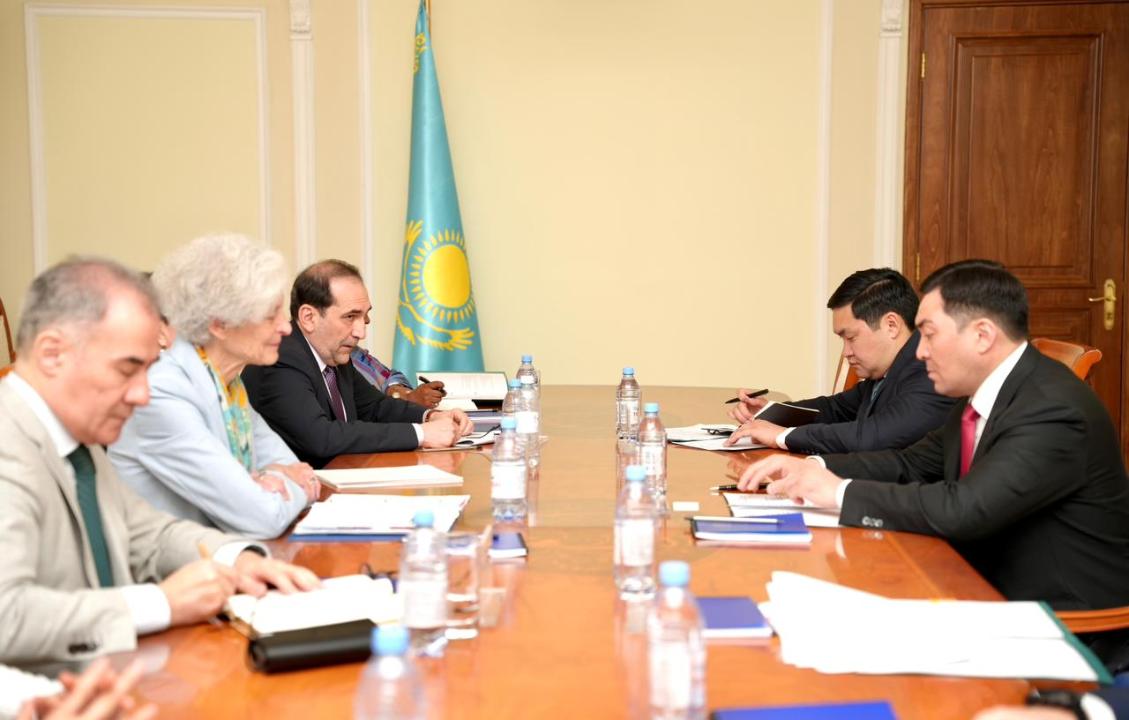
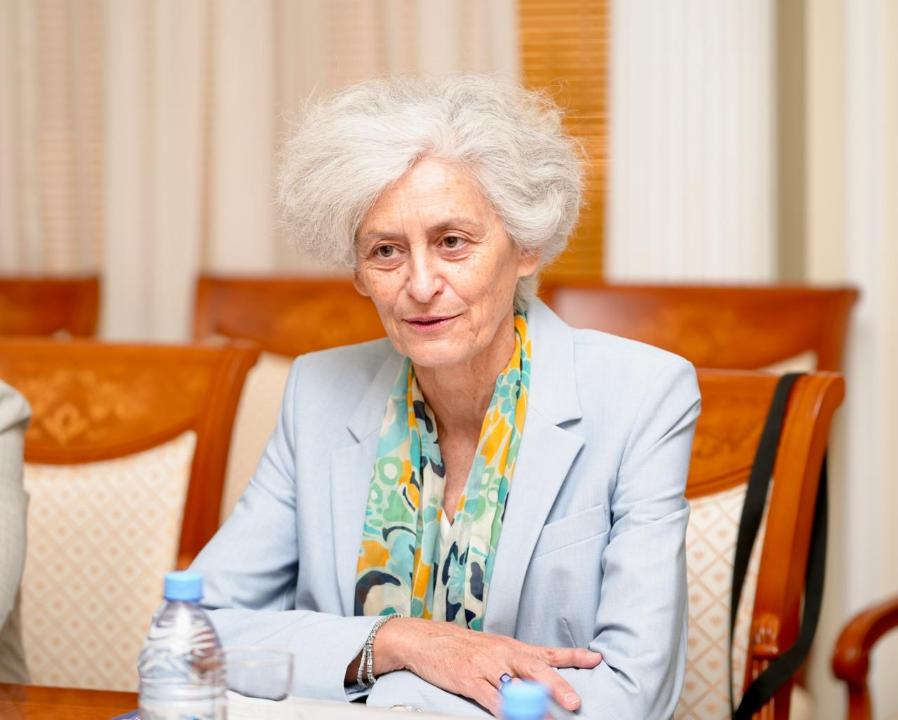
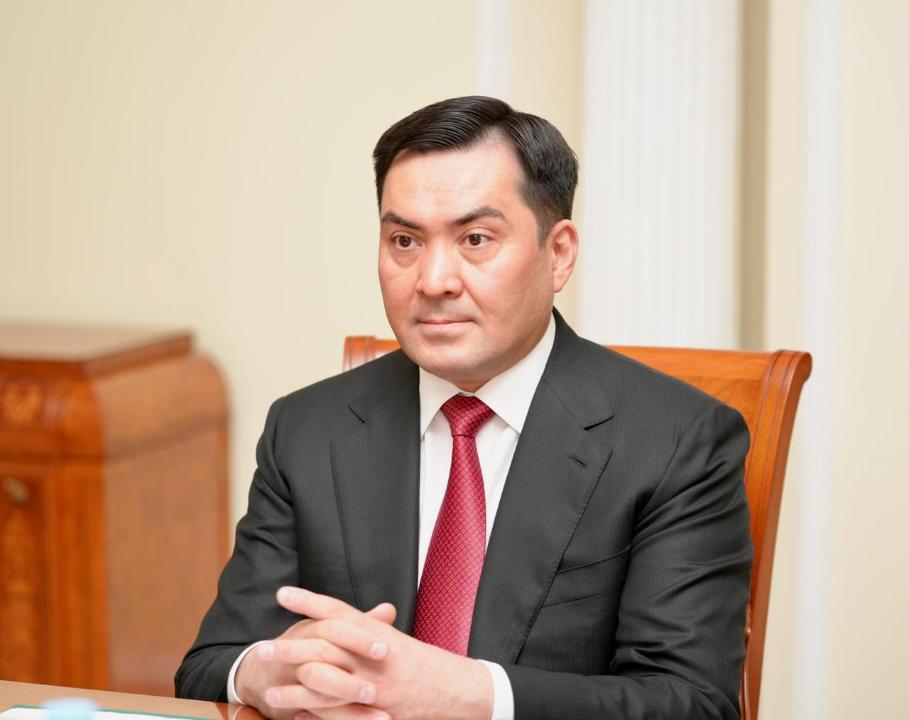
QAZAQ GREEN. Kazakhstan’s Energy Minister Yerlan Akkenzhenov met with Vice President for Infrastructure at World Bank Group Valerie Levkov. The parties discussed prospects for cooperation in the energy sector and confirmed their readiness to implement joint projects.
The World Bank reaffirmed its status as Kazakhstan's key partner in modernizing energy and utility infrastructure, as well as its readiness to finance infrastructure projects in the country.
At the center of the talks was the National Project "Modernization of the Energy and Utility Sectors." Under this initiative, roadmaps for the development of heat and power supply systems have been developed for 12 utility companies with the involvement of international experts. The documents are aimed at attracting investment, digitalization and automation of the sector; financing parameters are being shaped in part through the PforR mechanism.
Special attention was given to the REMIT program — the World Bank's initiative to develop regional integration and electricity trade in Central Asia. The first phase envisages the launch of a pilot day-ahead electricity market, which will allow countries in the region to trade balancing volumes without significantly restructuring their existing power systems.
Following the meeting, the parties confirmed their mutual interest in deepening cooperation in support of the sustainable development of Kazakhstan's energy sector.
About the REMIT Program
REMIT (Regional Energy Market Integration and Trade) is a World Bank program aimed at developing the electricity market and integrating power systems across Central Asia. Total financing together with development partners amounts to approximately $1 billion, with agreed investments reaching around $2 billion. The program is designed for 10 years and is implemented in phases.
The program's goal is to double the volume of regional electricity trade (from 9 to 15 GWh per year), triple grid transmission capacity, and enable the integration of around 9 GW of renewable energy generation. The economic impact by 2050 is estimated at $15–25 billion, with electricity prices expected to fall by up to 10% and greenhouse gas emissions to decrease by 25%.
The first phase covers Kyrgyzstan, Tajikistan, and Uzbekistan. Participation is voluntary, with countries retaining control over their national energy infrastructure.
State of Electricity Trade in Central Asia
Currently, the share of demand covered by cross-border trade in Central Asia stands at around 3%, compared to 85–90% in Europe. Key reasons include the absence of a common competitive market, outdated interconnection infrastructure, and weak regional coordination mechanisms.
More than 75% of greenhouse gas emissions in the region are linked to energy production and consumption. By 2050, electricity demand could grow nearly threefold compared to current levels — beyond what individual countries can meet on their own.
The 2022 blackout, which affected Kazakhstan, Kyrgyzstan, and Uzbekistan, exposed the systemic risks of fragmented bilateral cooperation and served as a catalyst for deeper regional integration.
Kazakhstan's Role in REMIT
Under the program, Kazakhstan's focus is on integrating wind generation into the power system and developing interconnections. Kazakhstan, Uzbekistan, and Turkmenistan hold significant potential for solar and wind energy, while Kyrgyzstan and Tajikistan possess major hydropower resources, including the Kambarata HPP-1 and Rogun HPP. The complementary nature of these resources creates a strong foundation for large-scale regional energy cooperation.
Ardak Januzakova
Kazakhstan and World Bank discuss energy integration in Central Asia
Construction of 500 MW wind power plant begins in Karaganda region
50 MW solar power plant auction winner determined in Kazakhstan's Southern Grid Zone
Rooftop solar panels: Kyrgyzstan prepares rules for households and businesses
Europe’s rising heat: Can renewables provide the solution?
Winner announced for 100 MW solar auction in Kazakhstan
Chinese company ready to invest $1 billion in solar and wind generation in Kyrgyzstan
Meta to invest in space solar energy and ultra-long-duration energy storage
Tokyo pushing plan for world’s biggest floating wind power farm
Kazakhstan cancels 50 MW solar auction due to lack of participants
Tokayev ratifies Green Energy Corridor Agreement with Azerbaijan and Uzbekistan
China raises RES share to 60% of total installed capacity
Batys Kaspiy Energo wins auction for 250 MW wind farm in Atyrau region
Ember: Renewables overtake coal in global power generation for the first time
Kazakhstan continues accepting applications for May RES auctions
Water-energy balance of the region discussed by ministers of four Central Asian countries
Just transition: leaving no one behind in the energy transformation
CAREC and Central Asian universities sign new memoranda on green skills development
Kazakhstan and UNECE discuss energy resilience and low-carbon technologies
100,000 jobs and a skills gap: how Central Asia is preparing for the renewables boom