

News Kazakhstan02.05.2025
Kazakhstan’s electricity deficit grows amid rising demand


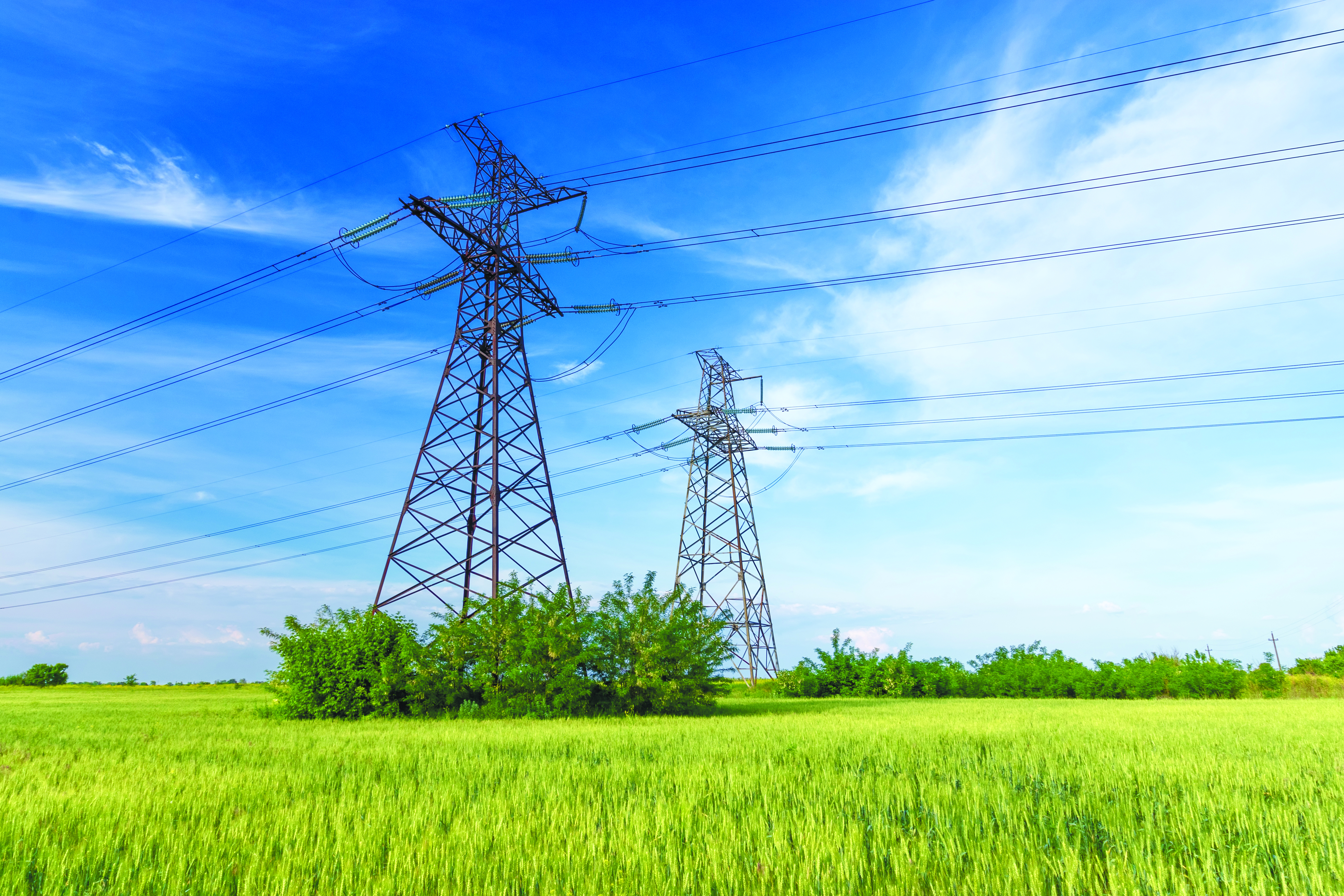
QAZAQ GREEN. The gap between electricity consumption and domestic generation in Kazakhstan has widened to its highest level in recent years. In 2024, the shortfall reached 2.4 billion kilowatt-hours (kWh), according to Energyprom. While the country’s power plants generated 117.9 billion kWh, consumption on the domestic market totaled approximately 120.4 billion kWh.
This marks a new record, surpassing the previous deficit of 2.2 billion kWh recorded in 2023. Kazakhstan continues to cover the shortfall primarily through electricity imports from Russia. Customs data from the State Revenue Committee also show limited imports from Kyrgyzstan, mostly as part of transit flows from Russia.
Despite the growing gap, Kazakhstan’s total electricity generation increased by 4.2% in 2024, with a 3% rise recorded in January–February. Yet, even the end of the winter season saw another shortfall, again covered by imports from Russia.
On a more positive note, the share of electricity generated by the country’s most carbon-intensive thermal power plants slightly decreased. In 2023, thermal generation accounted for 77.4% of total output, while in 2024 that figure fell to 74.9%. Of the total 117.9 billion kWh generated, 88.4 billion kWh came from thermal and combined heat and power plants, according to KEGOC, the national grid operator.
Meanwhile, the share of other sources grew: hydropower plants accounted for 9.5% of total generation (up 1.8 percentage points), gas turbine plants for 10.1% (up 0.3 points), and renewable energy sources (wind, solar, and biogas) produced 6.4 billion kWh — or 5.4% of the total.
According to the Ministry of Energy's updated forecast for 2025–2031, the electricity deficit could widen further, reaching 5.7 billion kWh by the end of 2025. The ministry has also revised its generation outlook downward: while previous projections estimated 121.8 billion kWh by the end of 2025, current forecasts put the figure at just 117.1 billion kWh. Expected output from new generation capacity has also been scaled back.
However, several major energy projects are scheduled to come online starting next year. By the end of 2026, these projects are expected to reduce the deficit to 2.6 billion kWh. If further planned capacity is commissioned, Kazakhstan could even achieve a surplus in the following years.
To reach that goal, a broad expansion of the country’s energy infrastructure is required. In April, the Ministry of Energy unveiled its long-term development strategy for the power sector through 2035. The plan outlines 59 new projects with a combined capacity of 26.4 GW — surpassing the current capacity of all operational power plants in the country.
The projects fall into two main categories: new construction and modernization of existing facilities. The bulk of the added capacity (20.8 GW) will come from new builds, including a nuclear power plant (2.4 GW), a new GRES-3 thermal station (2.6 GW), and combined-cycle gas turbine plants in 11 regional centers, expected to add another 4.5 GW.
Renewables also play a key role in Kazakhstan’s energy roadmap. By 2029, four large-scale wind power plants with integrated energy storage systems — totaling 3.8 GW — are set to be commissioned. These projects are funded by foreign investors from the UAE, France, and China under intergovernmental agreements.
German startup develops panel to produce hydrogen directly from sunlight
Uzbeks' income from solar energy sales grows ninefold
Belarus sets 38.7 MW renewable energy quotas for 2026
Solar power turns China's 'sea of death' highway into green corridor
Israel to build its largest-ever solar power plant in the Negev desert
Solar pensions and wind dividends: how South Korea is turning renewables into a rural development tool
Kyrgyzstan announces tender for land plots for construction of six small hydropower plants
ADB to invest $70 billion in Asia's power grids and digital infrastructure
Kazakhstan and World Bank discuss energy integration in Central Asia
Construction of 500 MW wind power plant begins in Karaganda region
50 MW solar power plant auction winner determined in Kazakhstan's Southern Grid Zone
Rooftop solar panels: Kyrgyzstan prepares rules for households and businesses
Europe’s rising heat: Can renewables provide the solution?
Winner announced for 100 MW solar auction in Kazakhstan
Chinese company ready to invest $1 billion in solar and wind generation in Kyrgyzstan
Meta to invest in space solar energy and ultra-long-duration energy storage
Tokyo pushing plan for world’s biggest floating wind power farm
Kazakhstan cancels 50 MW solar auction due to lack of participants
Tokayev ratifies Green Energy Corridor Agreement with Azerbaijan and Uzbekistan
China raises RES share to 60% of total installed capacity