

World News15.01.2024
Interest grows in power generation from water pipes in the USA


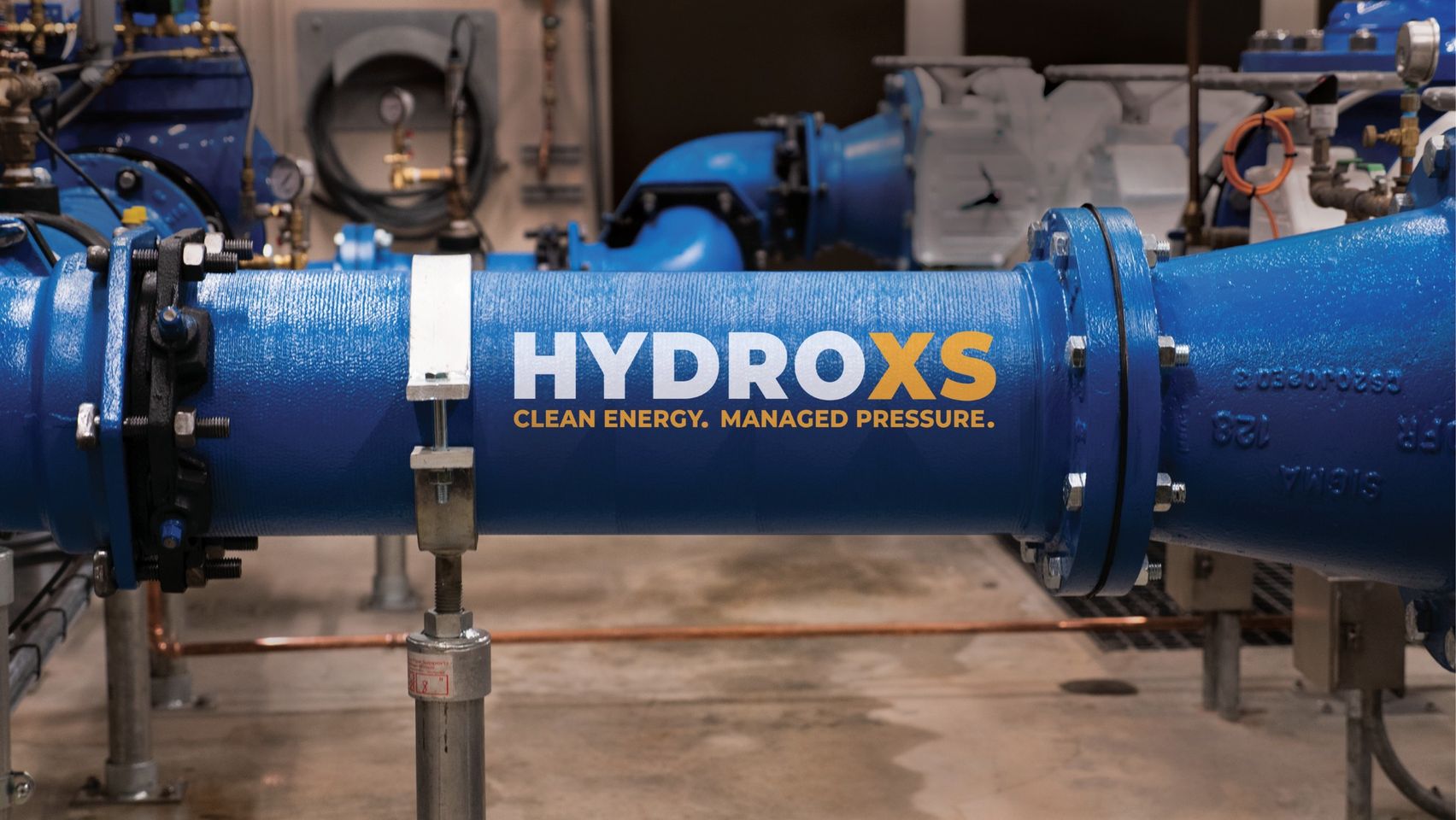
QAZAQ GREEN. Drinking water pipes could supply a significant amount of hydropower via micro-turbines powered by excess pressure, The Energy Year reports citing the report published by New Scientist.
The technology, known as “in-conduit hydropower,” is already in place at multiple sites in the USA, the report said, and its deployment at all feasible sites could add 1.41 GW of generation capacity without the need to build new infrastructure and with a negligible environmental impact.
Gregg Semler of Oregon-based developer InPipe Energy told the magazine that the in-conduit approach could allow cities to back up intermittent renewable energy supply by pumping more water when technologies like wind and solar are unavailable.
The in-conduit micro-turbine technology is being developed by US players such as InPipe Energy, NLine Energy and Canyon Hydro.
Kazakhstan and World Bank discuss energy integration in Central Asia
Construction of 500 MW wind power plant begins in Karaganda region
50 MW solar power plant auction winner determined in Kazakhstan's Southern Grid Zone
Rooftop solar panels: Kyrgyzstan prepares rules for households and businesses
Europe’s rising heat: Can renewables provide the solution?
Winner announced for 100 MW solar auction in Kazakhstan
Chinese company ready to invest $1 billion in solar and wind generation in Kyrgyzstan
Meta to invest in space solar energy and ultra-long-duration energy storage
Tokyo pushing plan for world’s biggest floating wind power farm
Kazakhstan cancels 50 MW solar auction due to lack of participants
Tokayev ratifies Green Energy Corridor Agreement with Azerbaijan and Uzbekistan
China raises RES share to 60% of total installed capacity
Batys Kaspiy Energo wins auction for 250 MW wind farm in Atyrau region
Ember: Renewables overtake coal in global power generation for the first time
Kazakhstan continues accepting applications for May RES auctions
Water-energy balance of the region discussed by ministers of four Central Asian countries
Just transition: leaving no one behind in the energy transformation
CAREC and Central Asian universities sign new memoranda on green skills development
Kazakhstan and UNECE discuss energy resilience and low-carbon technologies
100,000 jobs and a skills gap: how Central Asia is preparing for the renewables boom