

World News23.01.2025
Saudi Arabia connects its largest BESS to the grid


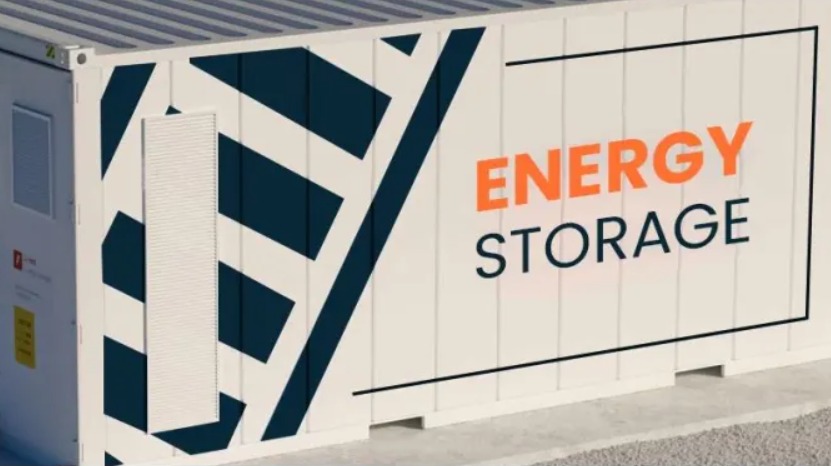
QAZAQ GREEN. Saudi Arabia has connected a 500 MW/2000 MWh battery energy storage system (BESS) in Bisha, located in the southwestern province of ‘Asir. The facility is currently the largest operational single-phase energy storage project in the world, Saur Energy International reports.
The Bisha battery energy storage system consists of 122 pre-assembled units, each equipped with a 6 MW power conversion system and four lithium iron phosphate (LFP) battery modules, with each module capable of storing 5.365 MWh of energy. The system’s modular structure allows for efficient use of space and simplifies integration into the grid. It also minimizes the likelihood of operational failures by distributing components across smaller, independent units. The design and construction of the facility were managed by Power China Hubei Engineering Co., while the storage components were supplied by BYD, a company based in China.
The facility was built to withstand harsh desert conditions, including high temperatures and frequent sandstorms. Engineers adjusted installation methods and commissioning processes to improve the system’s reliability and performance in such an environment. The Bisha project supports Saudi Arabia’s plan to expand renewable energy under Vision 2030, which aims to generate 50% of the country’s energy from renewable sources.
In addition to the Bisha project, Saudi Arabia is advancing other large-scale energy storage initiatives. The Saudi Power Procurement Company (SPPC) is in the process of tendering four additional 500 MW/2000 MWh BESS projects. In January, SPPC released a list of 33 prequalified bidders for these projects. Participants include companies such as Masdar, ACWA Power, EDF, and TotalEnergies. These facilities will provide 15-year storage services agreements, supporting the country’s transition to renewable energy.
Other renewable energy projects in Saudi Arabia include the Sakaka solar plant, which produces 300 MW of energy, and the Dumat Al Jandal wind farm, with a capacity of 400 MW. Additionally, Saudi Arabia is pursuing green hydrogen projects at NEOM, an initiative designed to position the country as a leader in clean energy development.
Kazakhstan and World Bank discuss energy integration in Central Asia
Construction of 500 MW wind power plant begins in Karaganda region
50 MW solar power plant auction winner determined in Kazakhstan's Southern Grid Zone
Rooftop solar panels: Kyrgyzstan prepares rules for households and businesses
Europe’s rising heat: Can renewables provide the solution?
Winner announced for 100 MW solar auction in Kazakhstan
Chinese company ready to invest $1 billion in solar and wind generation in Kyrgyzstan
Meta to invest in space solar energy and ultra-long-duration energy storage
Tokyo pushing plan for world’s biggest floating wind power farm
Kazakhstan cancels 50 MW solar auction due to lack of participants
Tokayev ratifies Green Energy Corridor Agreement with Azerbaijan and Uzbekistan
China raises RES share to 60% of total installed capacity
Batys Kaspiy Energo wins auction for 250 MW wind farm in Atyrau region
Ember: Renewables overtake coal in global power generation for the first time
Kazakhstan continues accepting applications for May RES auctions
Water-energy balance of the region discussed by ministers of four Central Asian countries
Just transition: leaving no one behind in the energy transformation
CAREC and Central Asian universities sign new memoranda on green skills development
Kazakhstan and UNECE discuss energy resilience and low-carbon technologies
100,000 jobs and a skills gap: how Central Asia is preparing for the renewables boom